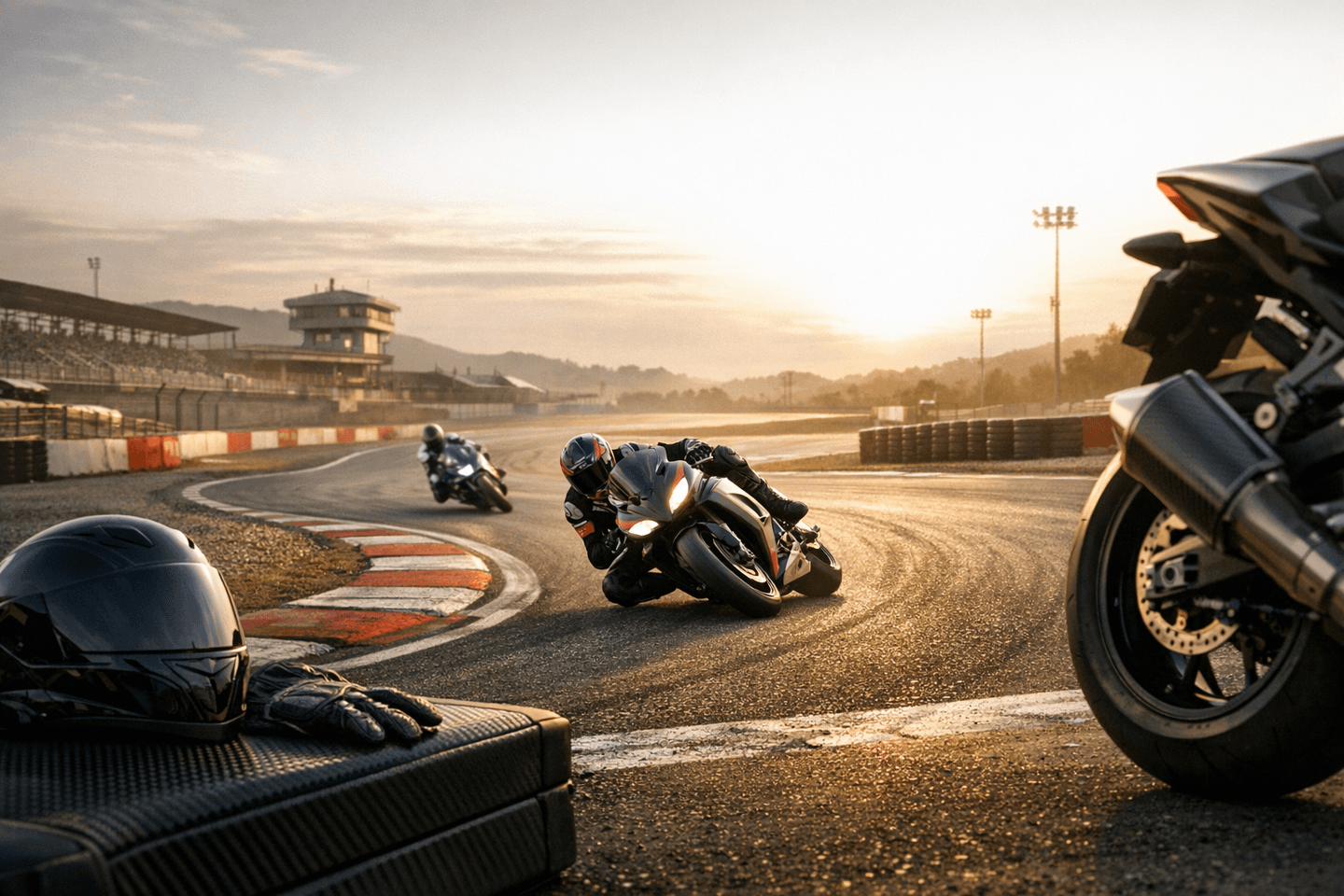
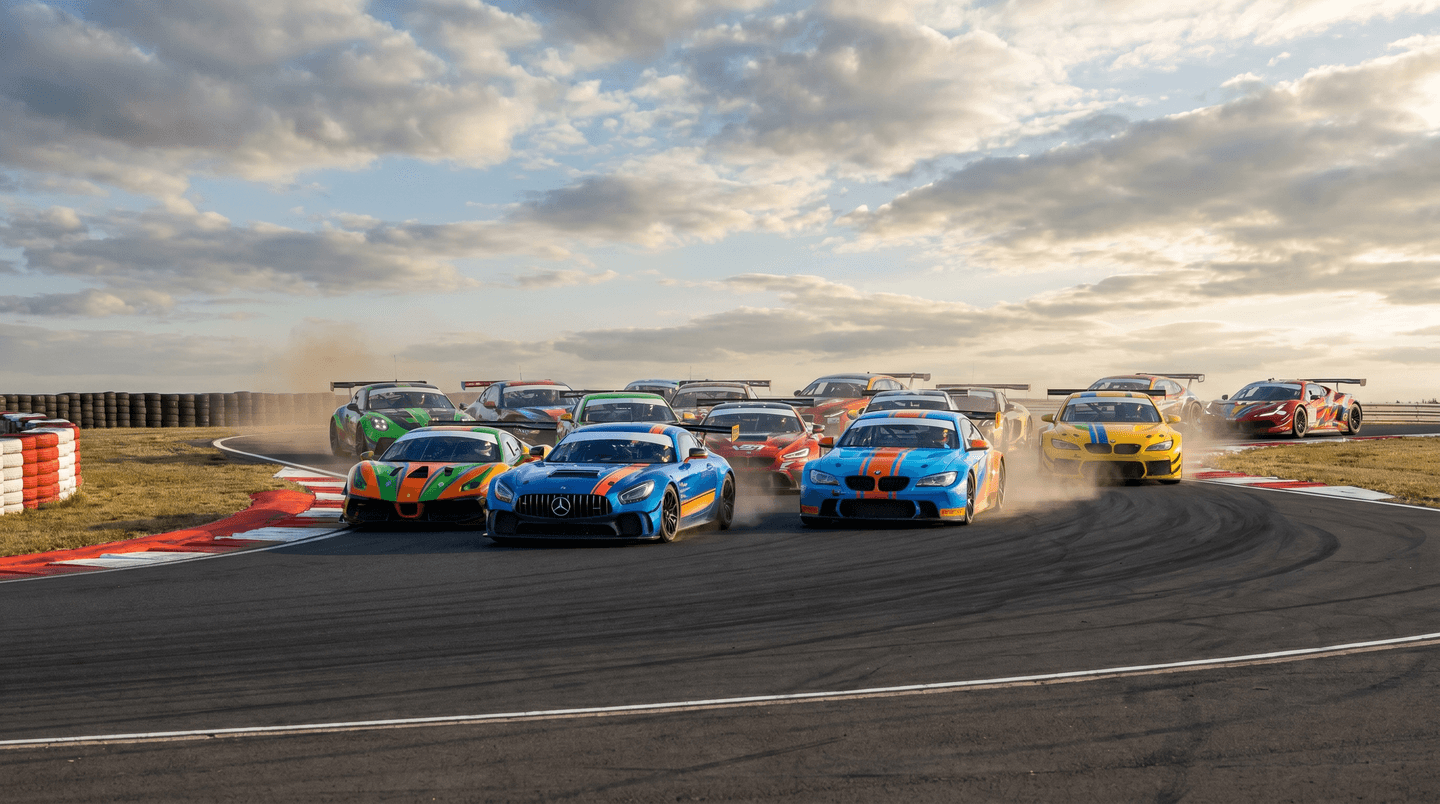
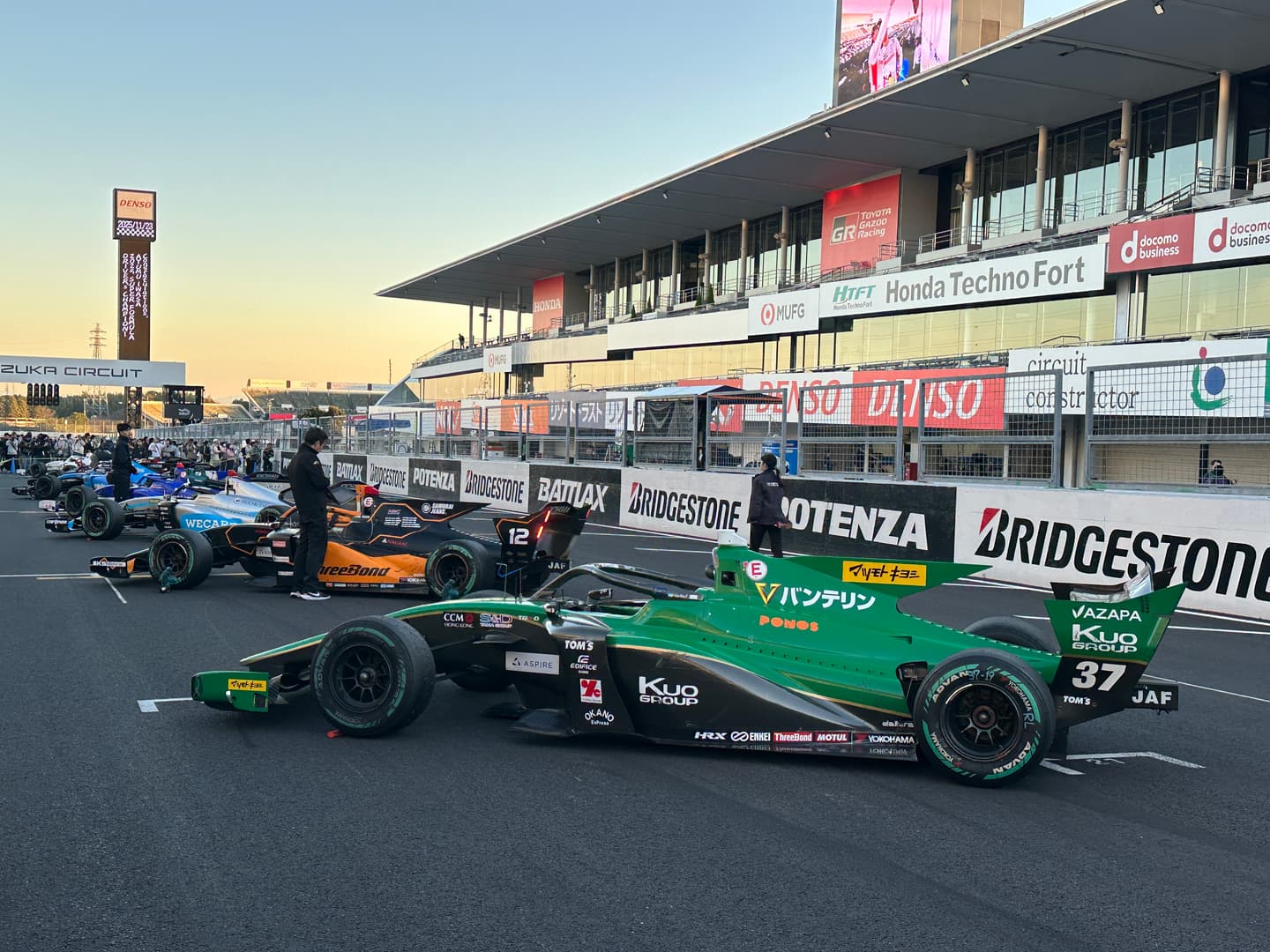
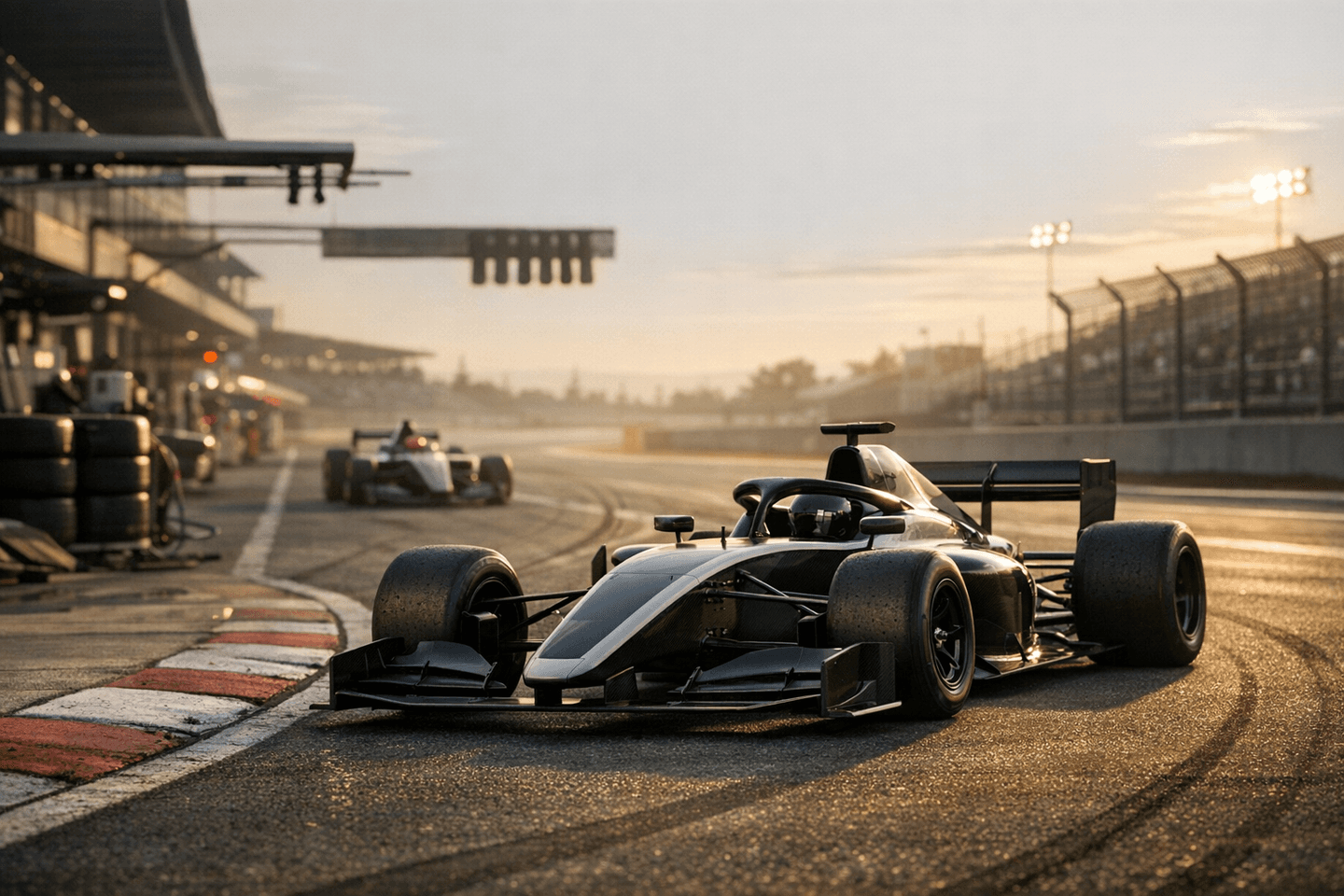
Japan's circuit culture spreads across the country in a way that maps onto different forms of motorsport. Suzuka Circuit, near Nagoya, is the country's most famous track and the home of the Japanese Grand Prix — Honda-owned, designed by John Hugenholtz, and one of the great race circuits of the world. Fuji Speedway, beneath Mount Fuji itself, hosts the World Endurance Championship's Fuji 6 Hours and major Super GT rounds. Twin Ring Motegi, owned by Honda, runs MotoGP, IndyCar history, and major domestic series. Together they're the spine of Japanese professional motorsport — and that's before you get to Tsukuba, Ebisu, Sportsland Sugo, and the dozens of smaller circuits that round out the scene.
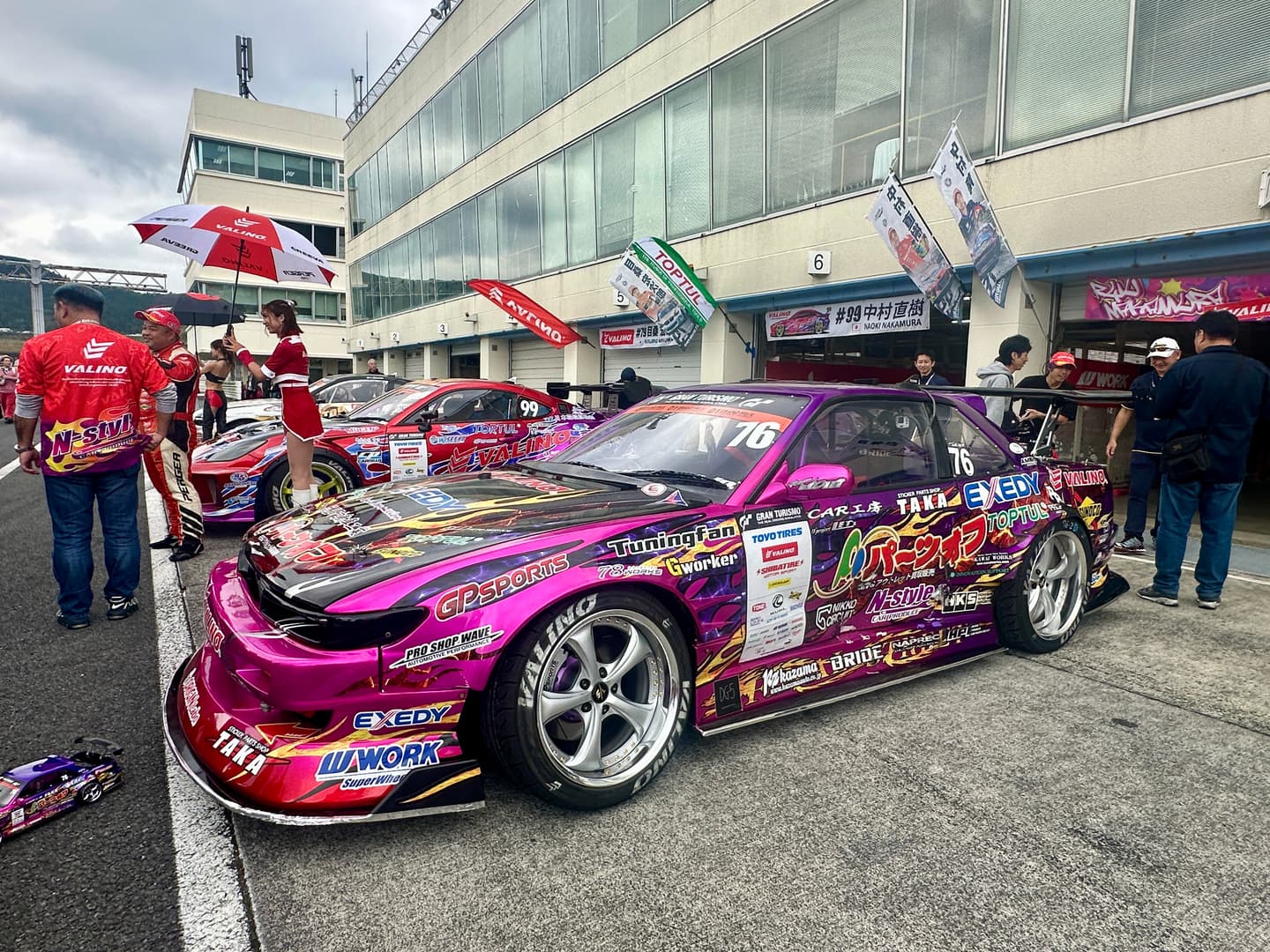
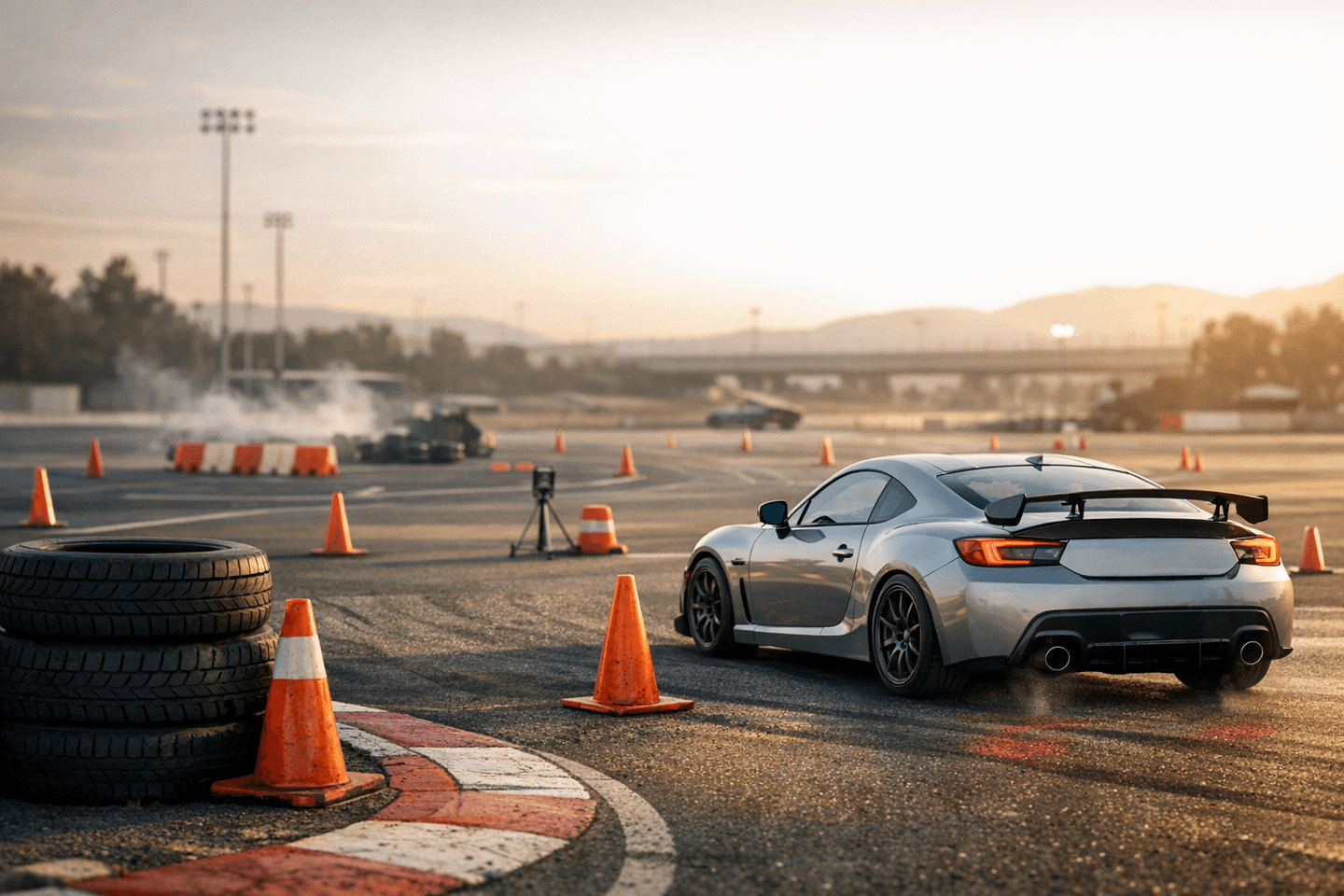
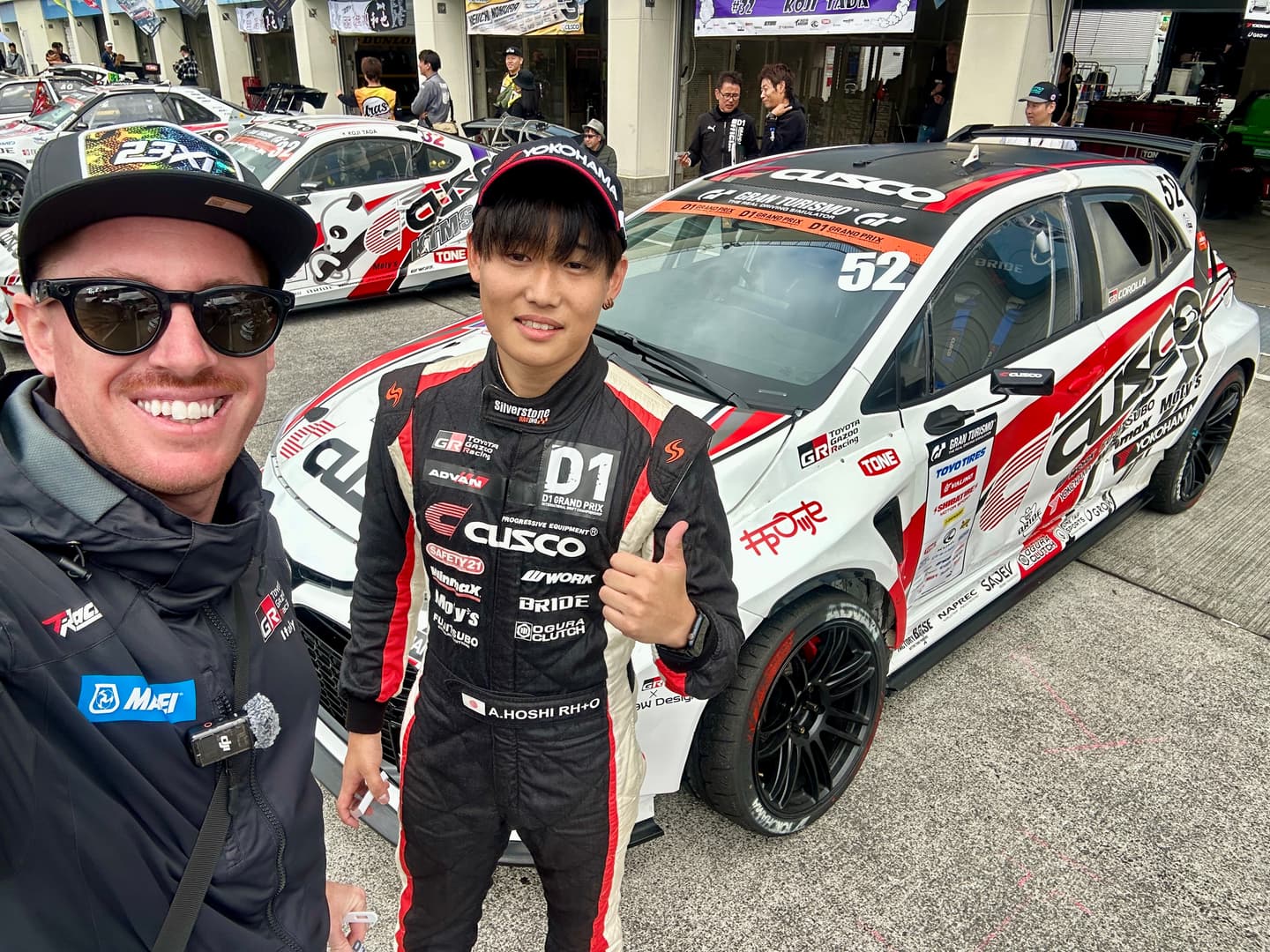
Ebisu Circuit in Fukushima Prefecture is the spiritual home of organised Japanese drift. Seven separate course layouts across one site, including the famous Drift Stadium where international drift competitions run. The circuit has been at the heart of D1 Grand Prix history and remains the place foreign drift fans most often pilgrimage to. The wider story matters: drift culture in Japan grew out of mountain road (touge) driving in the 1980s and 90s, then moved into organised motorsport venues like Ebisu, which is where it became legitimate. Visit a drift event here and you're seeing the origin point of a global motorsport form.
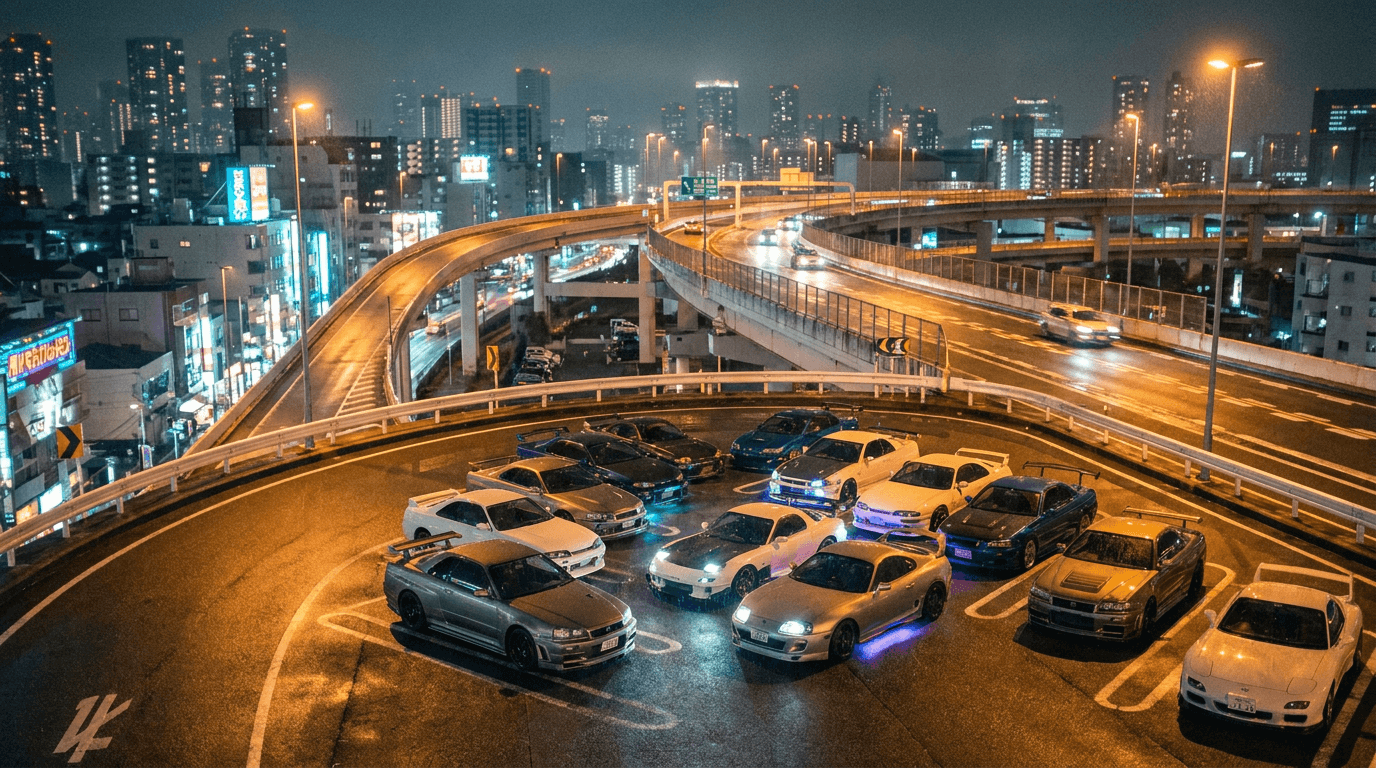
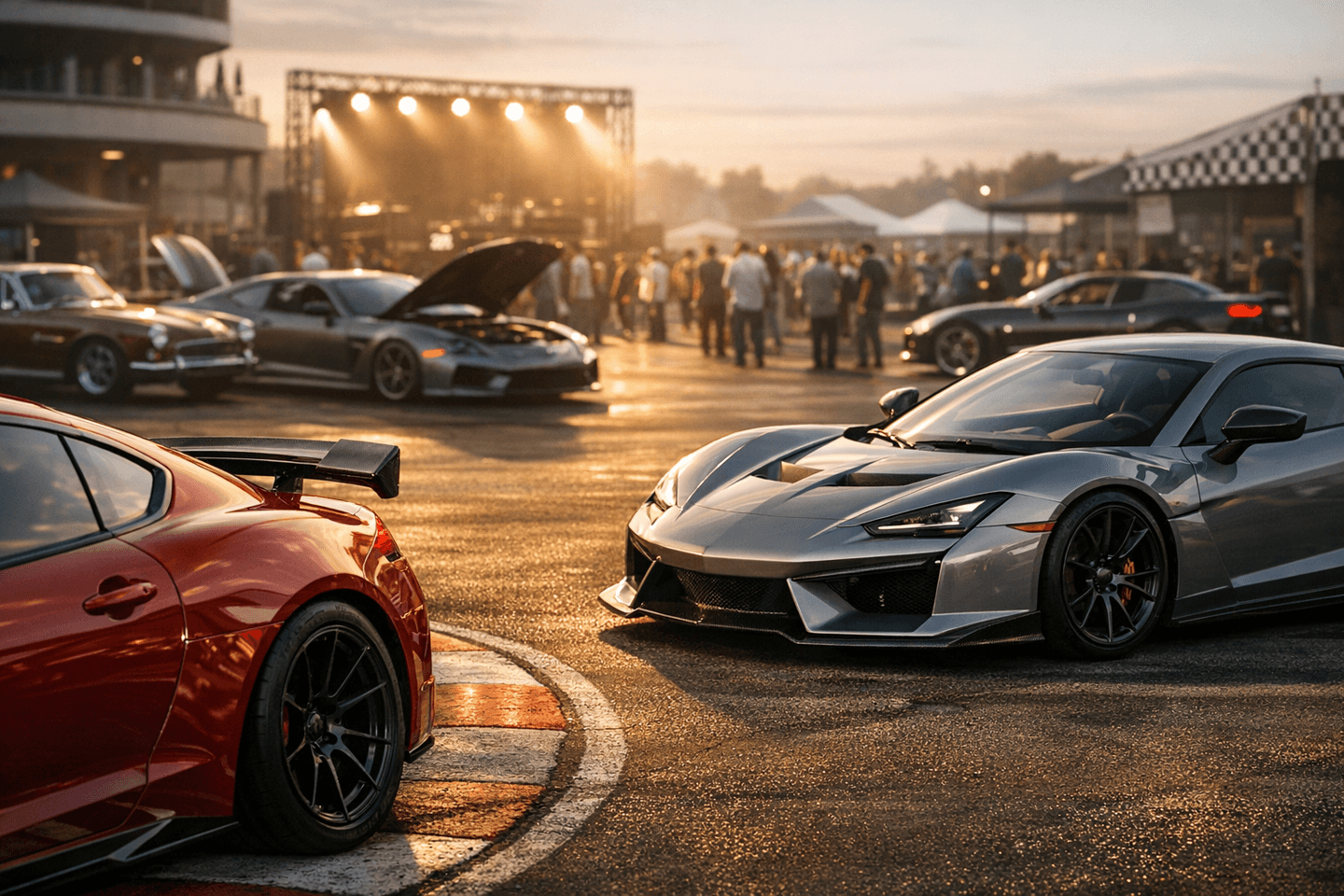
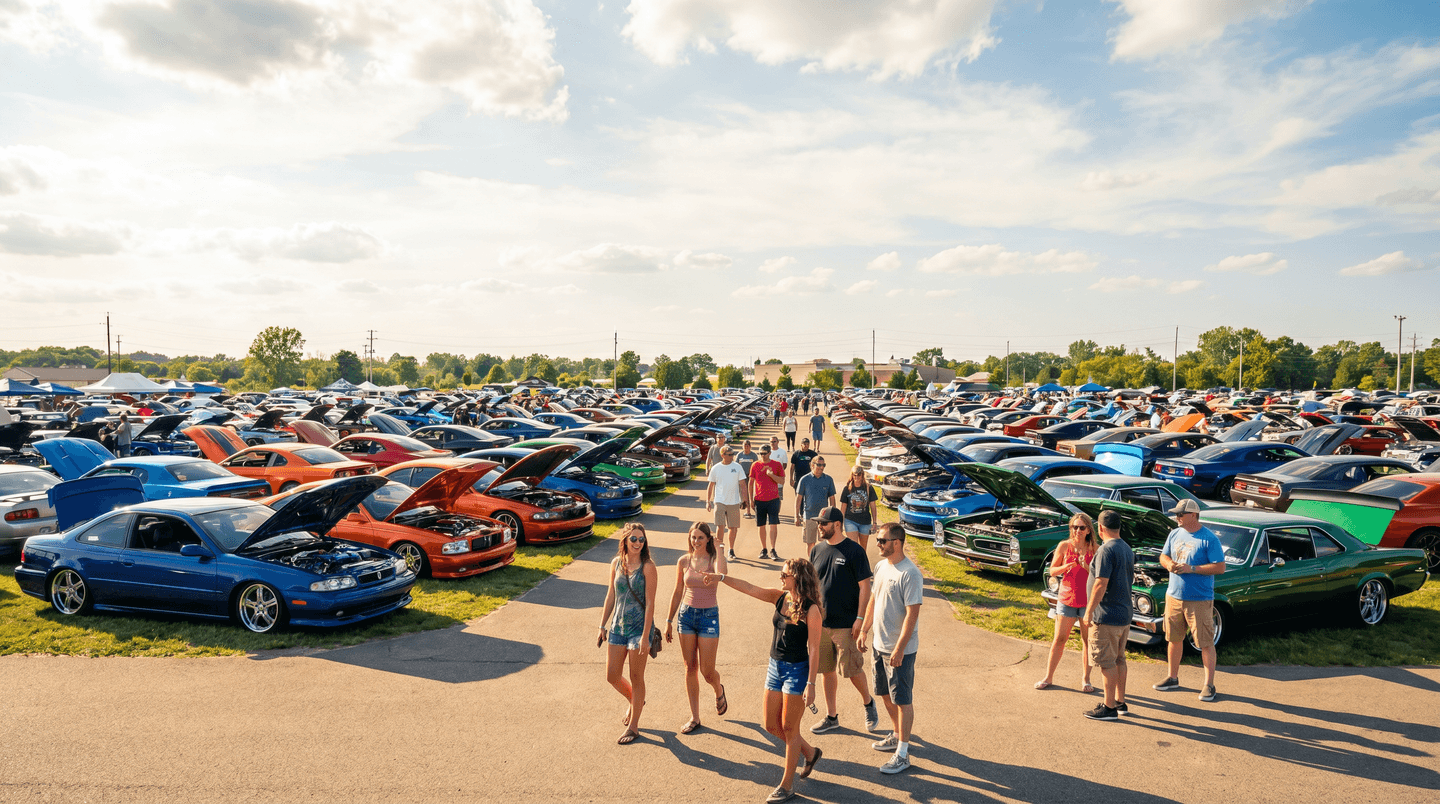
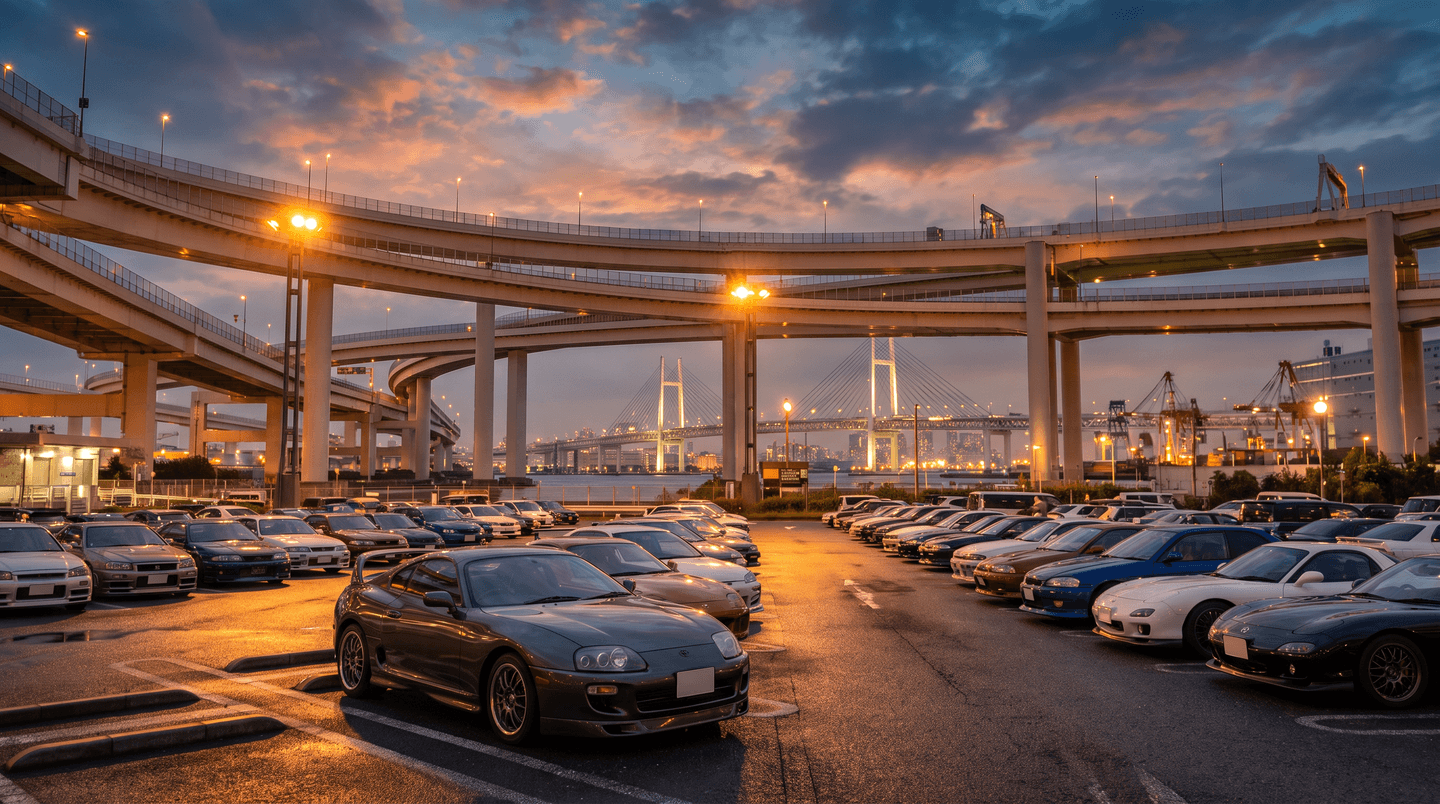
Daikoku PA is an expressway parking area on the Wangan Line in Yokohama Bay, and one of the most globally recognised car meet locations in the world. JDM legends, kei cars, supercars, custom builds, restored classics, and weekend cruisers all converge here, most actively on Friday and Saturday nights. The honest part: access is by expressway only — Daikoku isn't reachable on foot or by regular taxi, and Japanese police have cracked down on illegal tourist transport arrangements to the site. If you want to see it, drive in legally on the expressway, observe quietly, photograph respectfully, and leave when others do. It's a privilege of access, not a tourist attraction.
Toyota, Honda, Nissan, Mazda, Subaru, Mitsubishi, Suzuki, Daihatsu, Isuzu — Japan's manufacturer landscape shaped the global automotive industry as much as Germany's did, and on a different model. The Toyota Automobile Museum near Nagoya. The Honda Collection Hall at Twin Ring Motegi. The Mazda Museum in Hiroshima. The Nissan Heritage Collection in Zama (booking required). These aren't separate add-ons — they're the foundation that explains everything else about Japanese car culture. Visit a manufacturer museum and you'll understand why the rest of the country's automotive scene exists in the form it does.
Kei cars are uniquely Japanese — a regulated class of vehicle under 660cc and 3.4m long, taxed lower, parked easier, and present everywhere in Japanese traffic from rural delivery vans to enthusiast specials. The Honda Beat, Suzuki Cappuccino, Autozam AZ-1, and Daihatsu Copen are the famous performance kei sports cars. The Subaru Sambar, Suzuki Carry, and Daihatsu Hijet are the working ones you'll see at every farm and construction site. Renting a kei car for rural touring is one of the cheapest and most distinctly Japanese ways to drive here — small enough for narrow village roads, slow enough to enjoy the journey.
Japan's tuning culture is the deepest in the world by a long way — workshops specialising in single models, used parts districts like Kanda in Tokyo, specialist exhaust makers (HKS, Trust, Tomei, Kakimoto, Fujitsubo), suspension specialists, wheel makers (Work, Rays, Volk, SSR), and a parts ecosystem that supports niche model communities at a scale nothing else matches. Wander through a parts district like Up Garage or smaller specialists in Yokohama, Osaka, or Nagoya, and you're seeing a mature ecosystem of knowledge that took 40 years to build. It's a category-level highlight: the depth is the point, not any single shop.
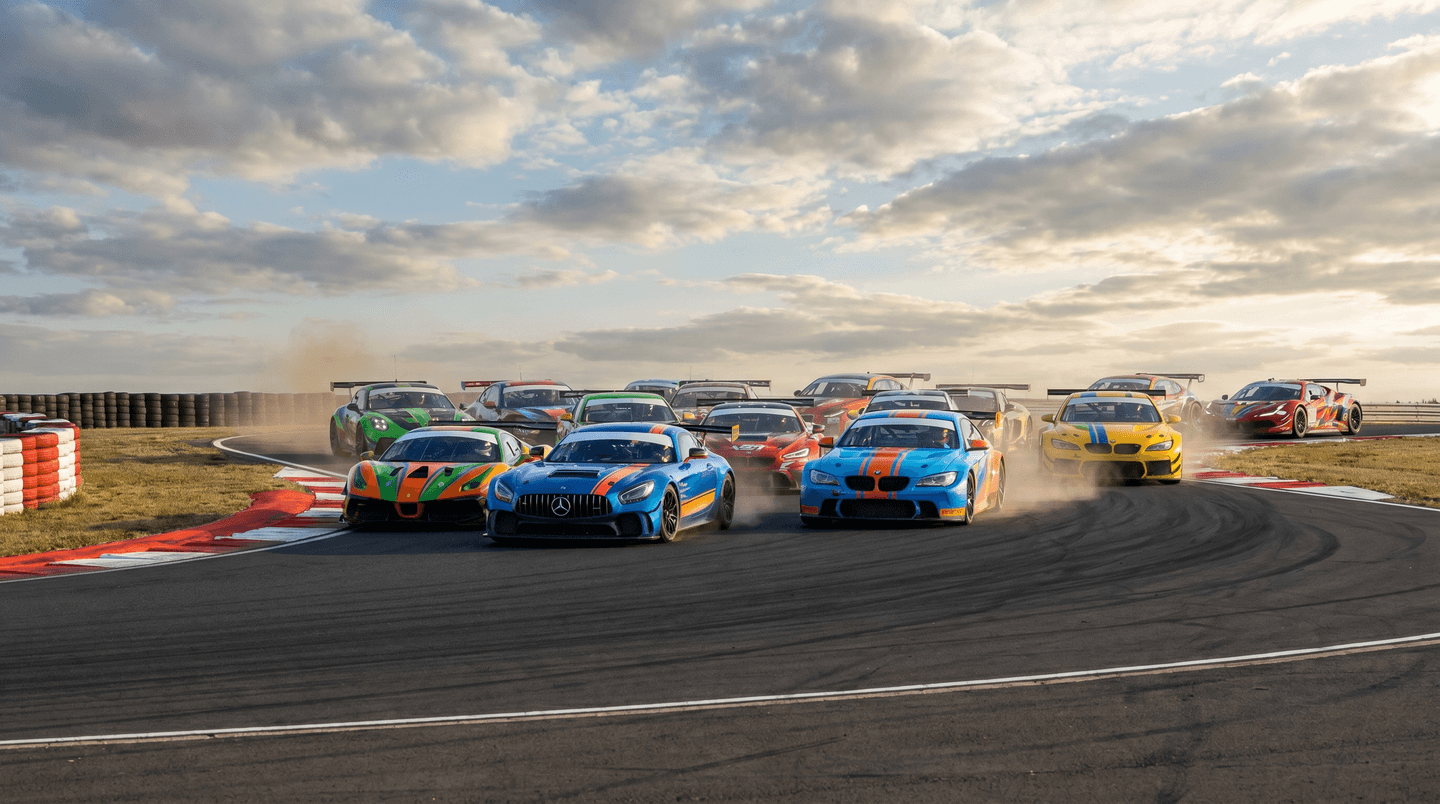
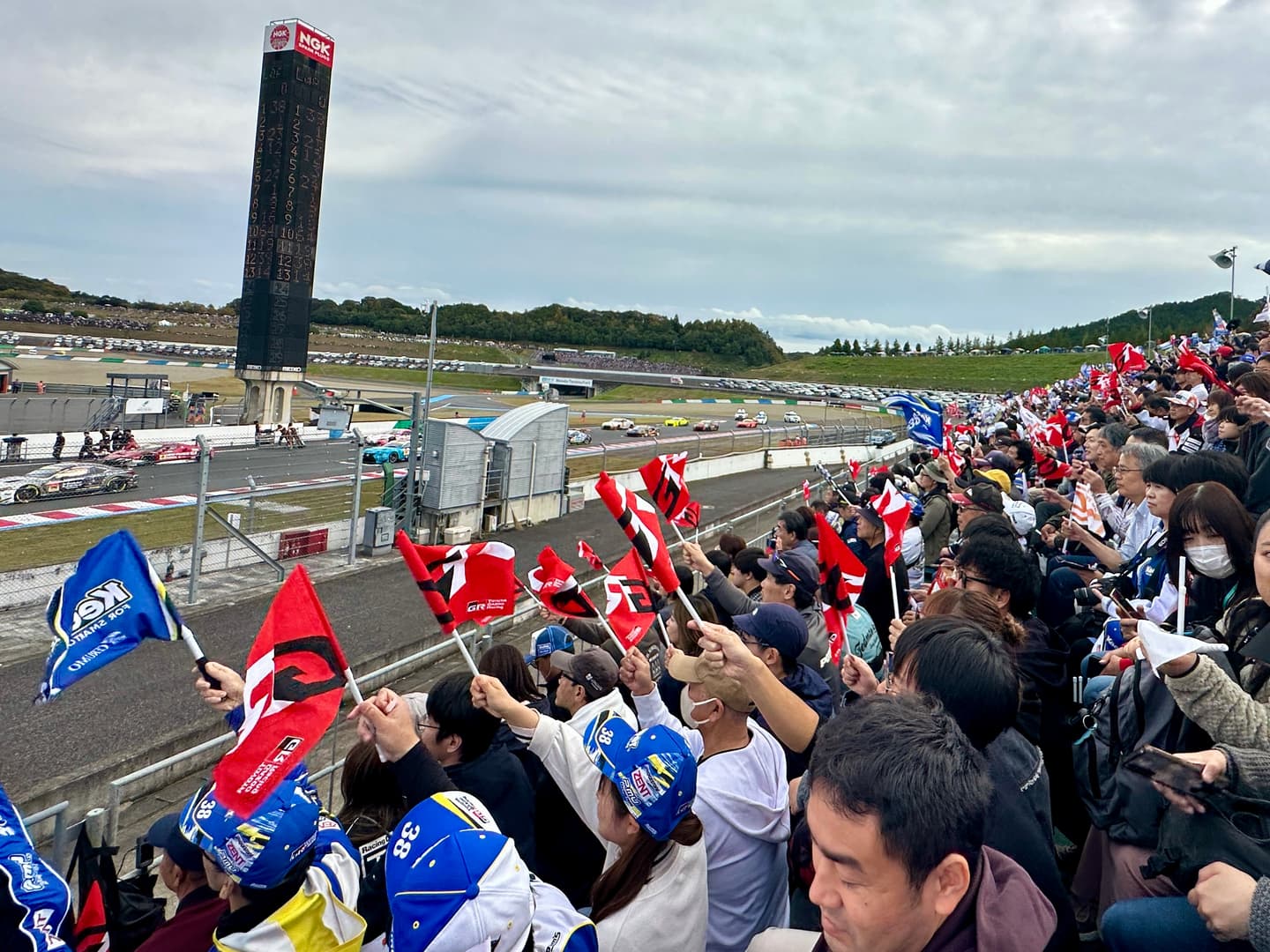
Super GT is Japan's premier domestic racing series — GT500 and GT300 classes, Toyota Supra, Nissan Z, and Honda NSX racing factory-developed cars on circuits including Suzuka, Fuji, Motegi, and Sportsland Sugo. The series is technically sophisticated, with manufacturer prestige on the line, but the fan culture is what makes it distinct: enthusiastic, family-friendly, deeply Japanese in how it organises itself. A Super GT weekend at Fuji or Suzuka gives international visitors a side of Japanese motorsport that Formula 1 never shows — domestic, mature, and rooted in a fan culture that's been around for decades.
Tsukuba Circuit, north-east of Tokyo, is the benchmark venue for Japanese time-attack culture. The TC2000 layout is short (2.045km), technical, and exactly the size where modified-car credibility gets measured. Magazines and tuner videos have published Tsukuba lap times for decades — a sub-60-second TC2000 lap is the defining standard for serious Japanese tuner builds. The circuit runs open practice days where private cars can lap legally, and major events like Battle Evome and Attack Tsukuba bring the global time-attack community here each January. For anyone raised on Best Motoring, Hot Version, or modern tuner media, this is the place those lap times were set.
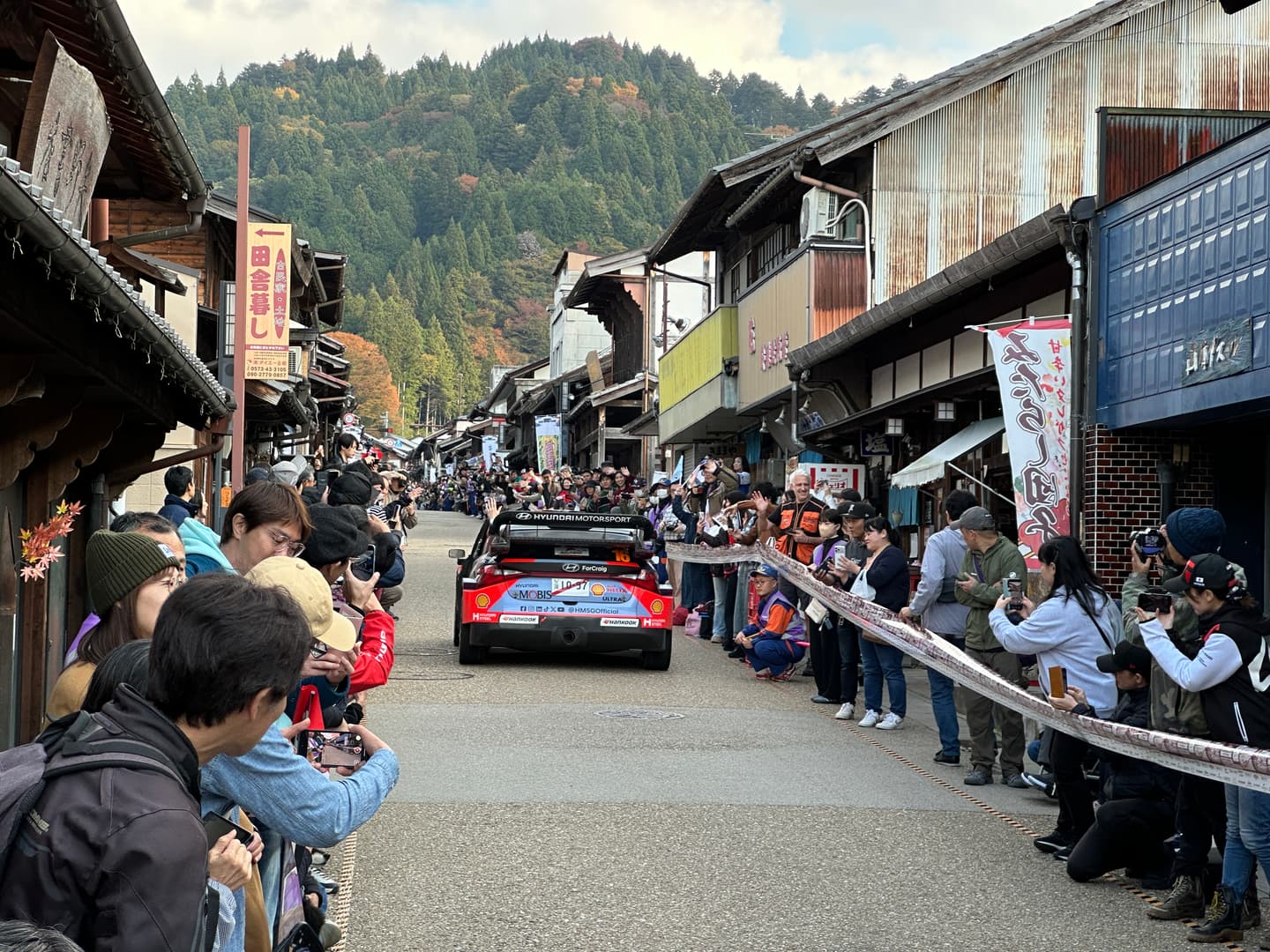
Japan isn't only cities and circuits. The Hakone region south-west of Tokyo has the Hakone Turnpike (now Mazda Turnpike Hakone) and the famous Izu Skyline, both proper paid scenic toll roads designed for driving rather than transit. The Izu Peninsula extends the experience with coastal roads, mountain passes, and the kind of routes that famously feature in tuning videos. Further afield, Hokkaido in summer offers genuinely empty roads through rural countryside, and rural Kyushu and the Tohoku coast give you a Japan that doesn't appear in the standard itinerary. These are where the car earns its keep on a Japanese trip.