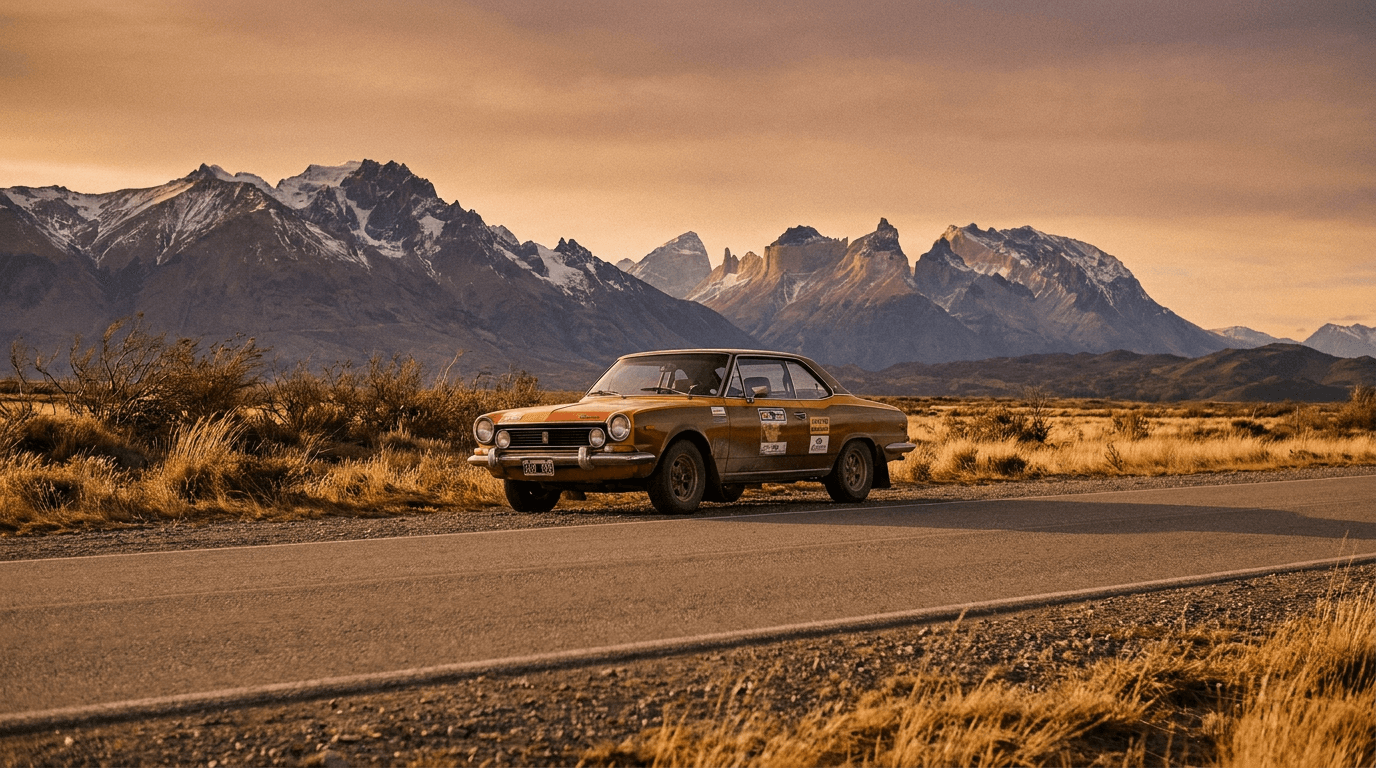
Ruta Nacional 40 is one of the world's great road-trip routes — the country's automotive spine. It runs 5,194km along the Andes from La Quiaca on the Bolivian border in the far north to Cabo Vírgenes near the southern tip, crossing 11 provinces, 18 major rivers, and 27 Andean passes (climbing to 5,000m at Abra del Acay). It connects desert, high Andes, the Mendoza wine country, the Lake District, and Patagonia in one continuous drive. The honest framing: this is serious long-distance driving, not a casual scenic detour — huge distances between fuel stops (sometimes 200km+), gravel sections in the south, strong Patagonian crosswinds, and patchy phone coverage. The full route takes 3-4 weeks. Sections like Mendoza-Bariloche or the Salta loop work as shorter samples. Best driven November-March (southern summer).
Patagonia delivers one of the world's ultimate self-drive adventures, ending at "the end of the road." The classic route runs south through El Calafate (the Perito Moreno Glacier), El Chaltén (the Fitz Roy massif), and on toward Ushuaia (the world's southernmost city, on Tierra del Fuego). Reaching Ushuaia by road requires crossing into Chile and back (including the Strait of Magellan ferry crossing at Punta Delgada) — border paperwork and ferry timing are part of the adventure. The terrain mixes paved Ruta 3 (the Atlantic side) with gravel Ruta 40 (the Andean side), enabling loop itineraries. Real challenges: ferocious wind, gravel that destroys tyres, fuel discipline, and remote breakdown risk. 4WD recommended for the gravel sections. Best driven November-March; winter closes many routes.
Northwestern Argentina (Salta and Jujuy provinces) offers the country's most colour-saturated high-altitude driving. The classic loop from Salta city runs through the Quebrada de Escoipe and the Cuesta del Obispo (a switchback climb to 3,348m), across the Recta Tin Tin (a dead-straight 18km road through the Los Cardones cactus park), to Cachi, then south through the Quebrada de las Flechas to the Cafayate wine valley. The northern arm covers Purmamarca (the Hill of Seven Colours), the Salinas Grandes salt flats (via the Cuesta de Lipan to 4,170m), and Humahuaca. A genuinely distinctive driving experience — desert valleys, multicolour rock, high passes, and high-altitude vineyards. Mix of tarmac and gravel; a standard car handles most of it. Best driven April-November (dry season); altitude pacing matters.
Argentina has one of the world's deepest homegrown motorsport cultures. Juan Manuel Fangio (born in Balcarce, 1911-1995) won 5 Formula 1 World Championships (1951, 1954-1957) across Alfa Romeo, Mercedes, Ferrari, and Maserati — a record that stood for 46 years until Schumacher. The Museo Juan Manuel Fangio in Balcarce holds his cars and trophies. Beyond F1, Argentina invented Turismo Carretera (founded 1937) — the world's oldest motor racing category still active, a uniquely Argentine touring-car series with passionate fan culture and purpose-built race cars based on Ford, Chevrolet, Dodge, and Torino bodies. The TC calendar runs across the country's circuits with huge crowds. Plus a strong contemporary F1 connection through Franco Colapinto (the country's first F1 driver since 2001, whose Buenos Aires roadshow drew hundreds of thousands).
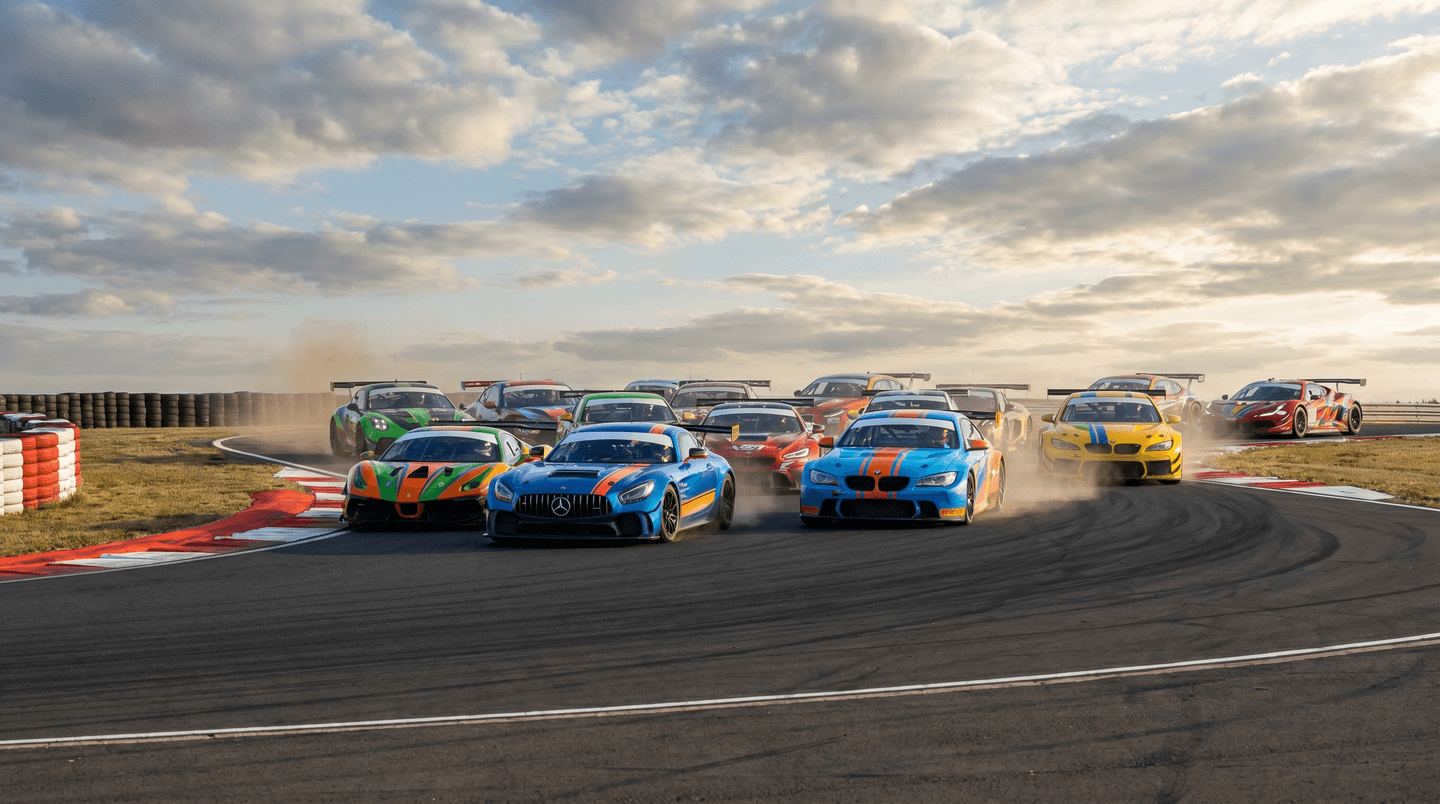
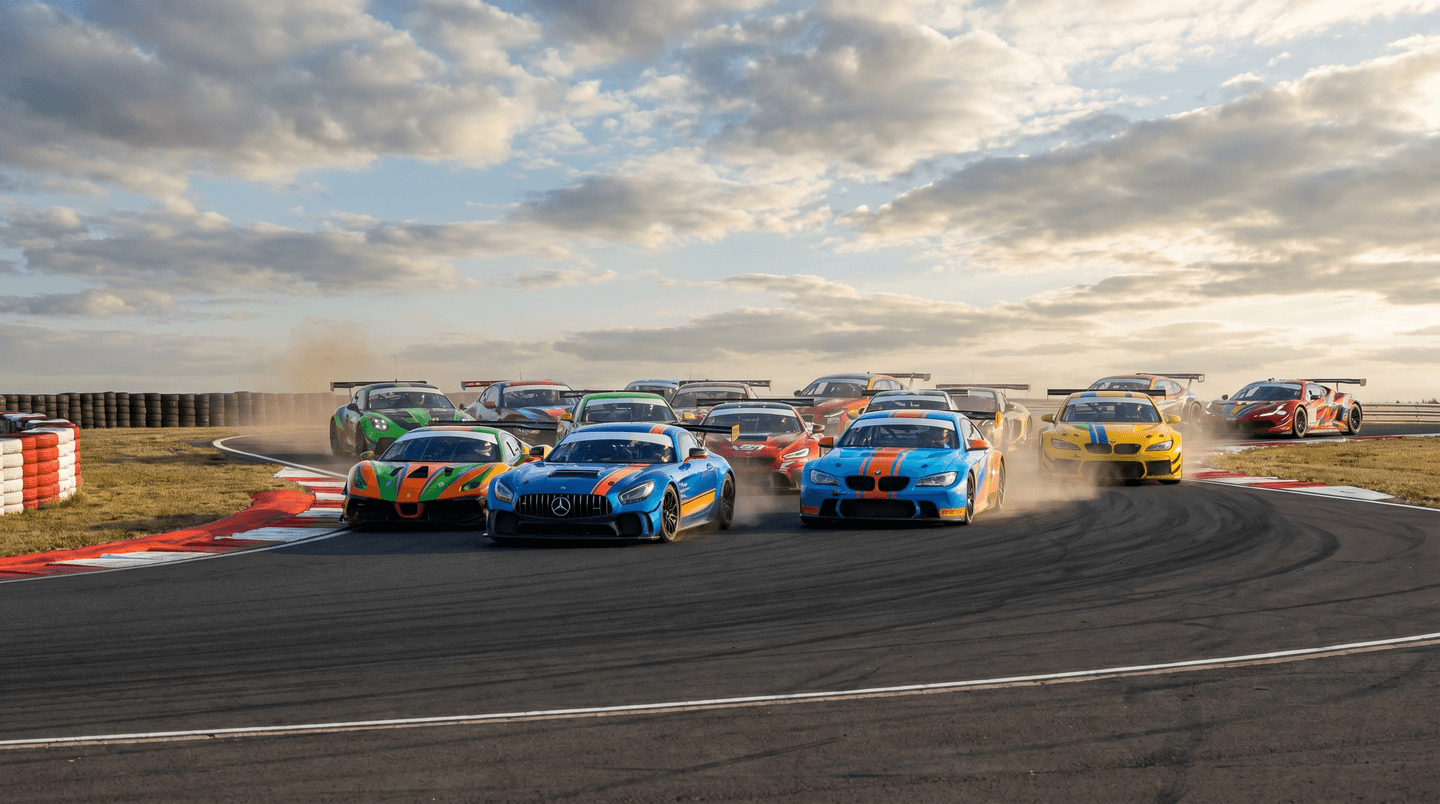
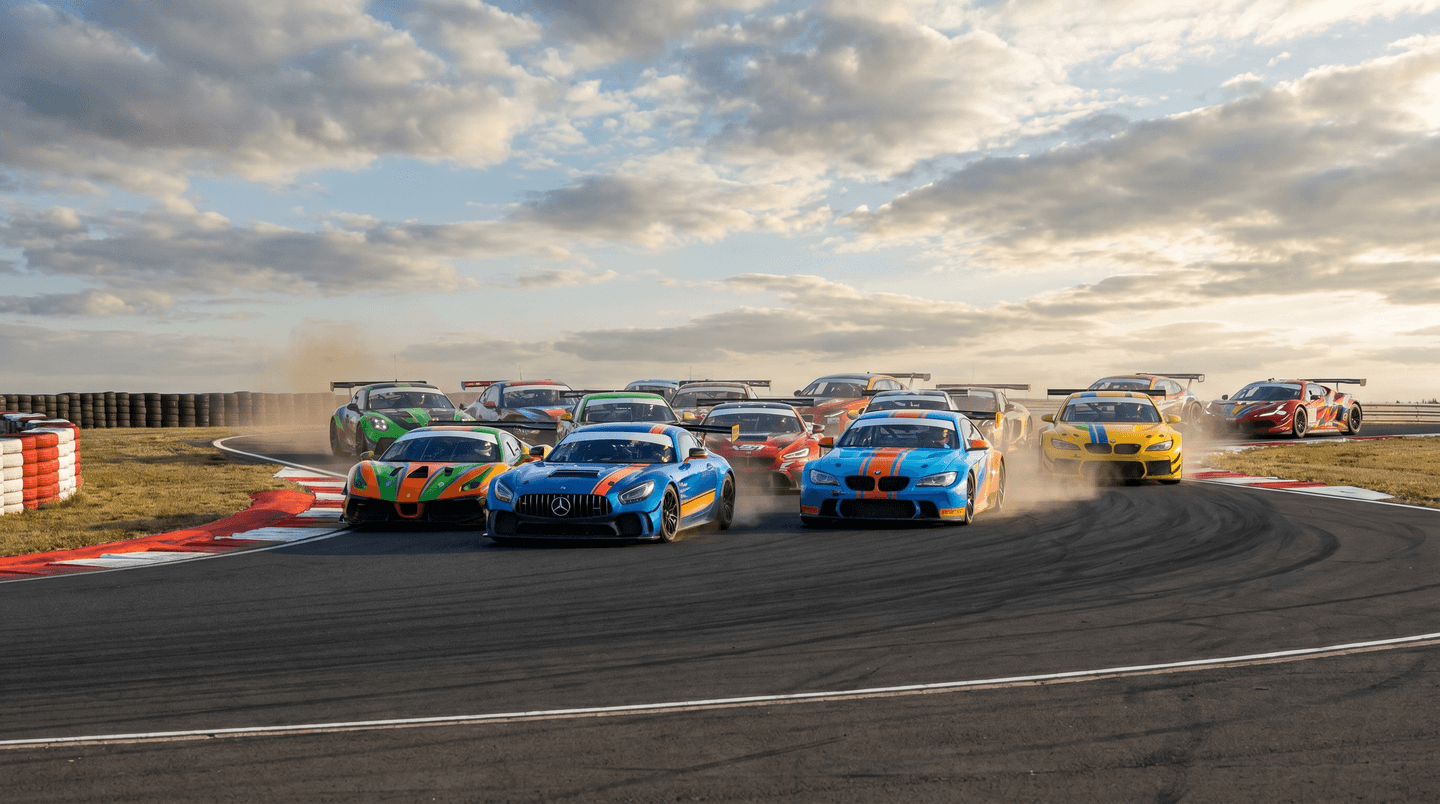
Argentina has two major motorsport venues worth a pilgrimage. The Autódromo Termas de Río Hondo (Santiago del Estero, northern Argentina) hosts the Argentine MotoGP Grand Prix — a modern Hermann Tilke-designed 4.8km circuit that draws fans on long moto-touring journeys from across the country (900km+ rides are part of the culture). The Autódromo Oscar y Juan Gálvez (Buenos Aires) is the historic home of the Argentine Grand Prix — it hosted Formula 1 from 1953-1998 (with wins for Fangio, Moss, and Senna's era), and is being redeveloped with ambitions for an F1 or MotoGP return. The Gálvez circuit's named corners (the Curvón, the Ess) are part of Argentine racing memory. Both venues are central to the country's living motorsport fandom. Confirm current event calendars before planning.
Argentina has one of Latin America's most distinctive classic car cultures, built on locally manufactured models. The IKA-Renault Torino (built 1966-1981, designed with Pininfarina input) is the national pride car — a genuinely Argentine muscle/GT car that famously raced at the 1969 Nürburgring 84 Hours. The Ford Falcon (built in Argentina 1962-1991, far longer than the US version) became the ubiquitous family car, taxi, and police vehicle — loaded with national memory (including a darker association with the 1976-1983 dictatorship). Plus the Fiat 600 ("Fitito"), the Renault 12, the Dodge Polara, and the Argentine-built Ford Taunus. The Buenos Aires classic car scene gathers at San Isidro and the Autódromo. Local restoration costs are low, making Argentina a genuine classic car enthusiast destination. Distinctive from any imported-nostalgia scene — these are home-built icons.