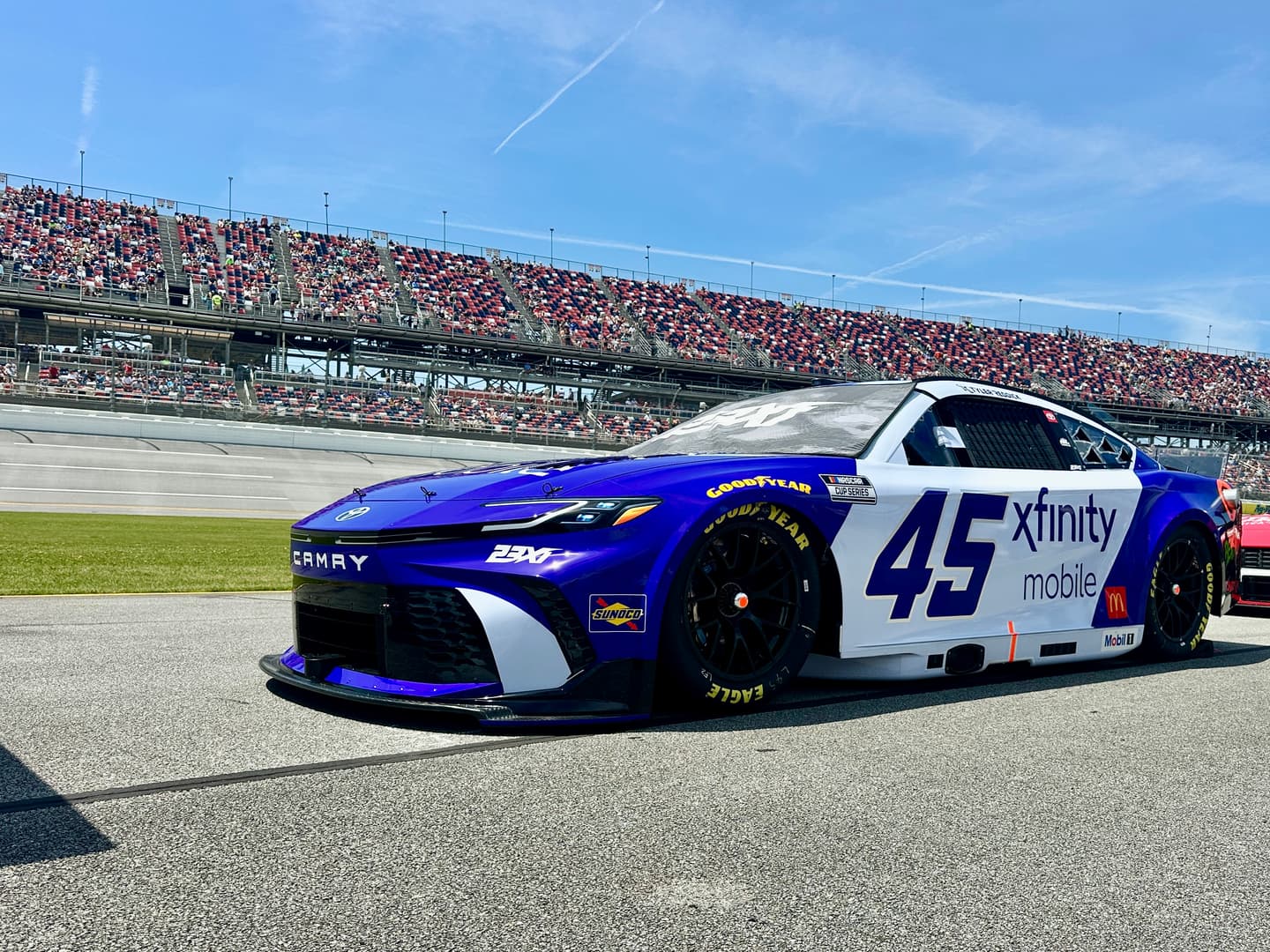
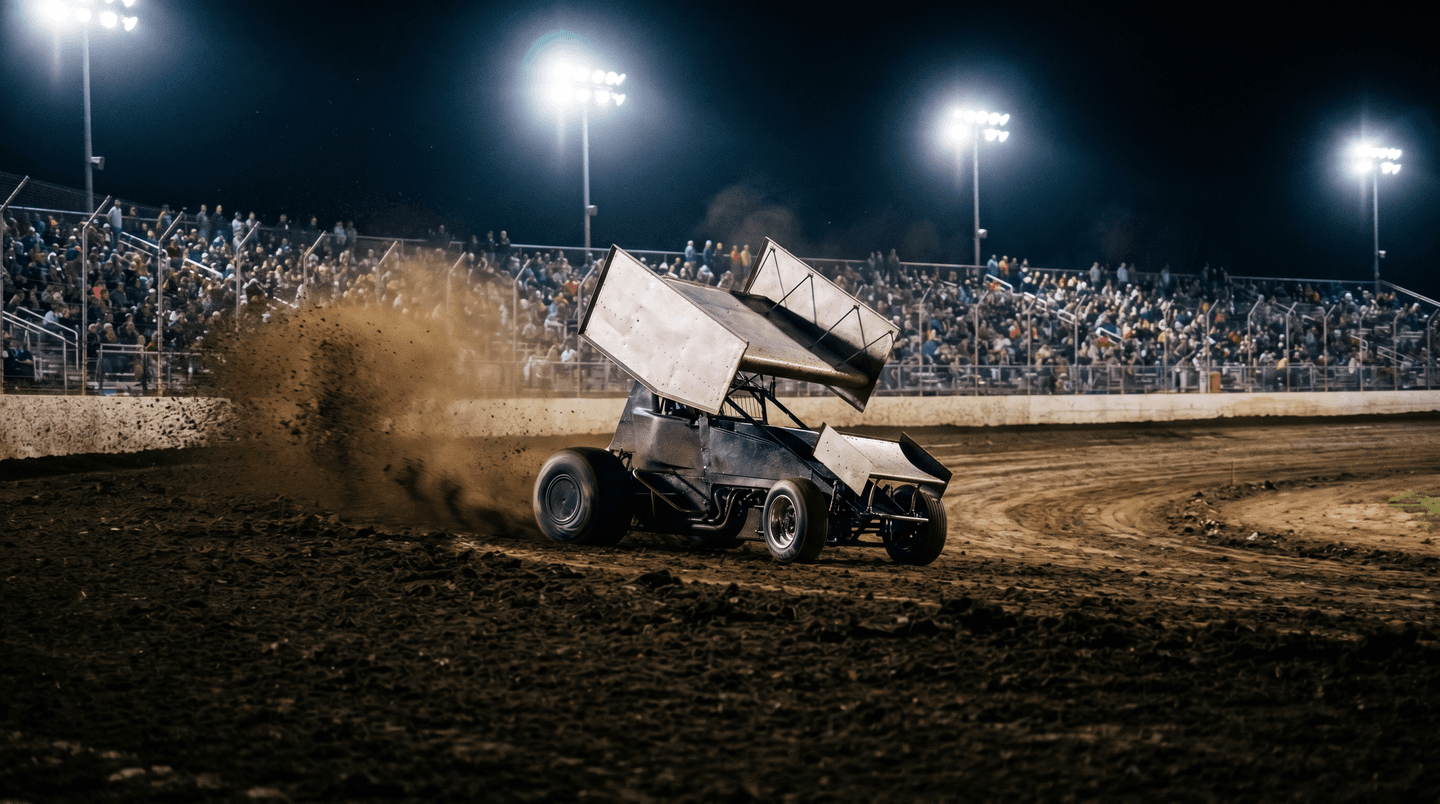
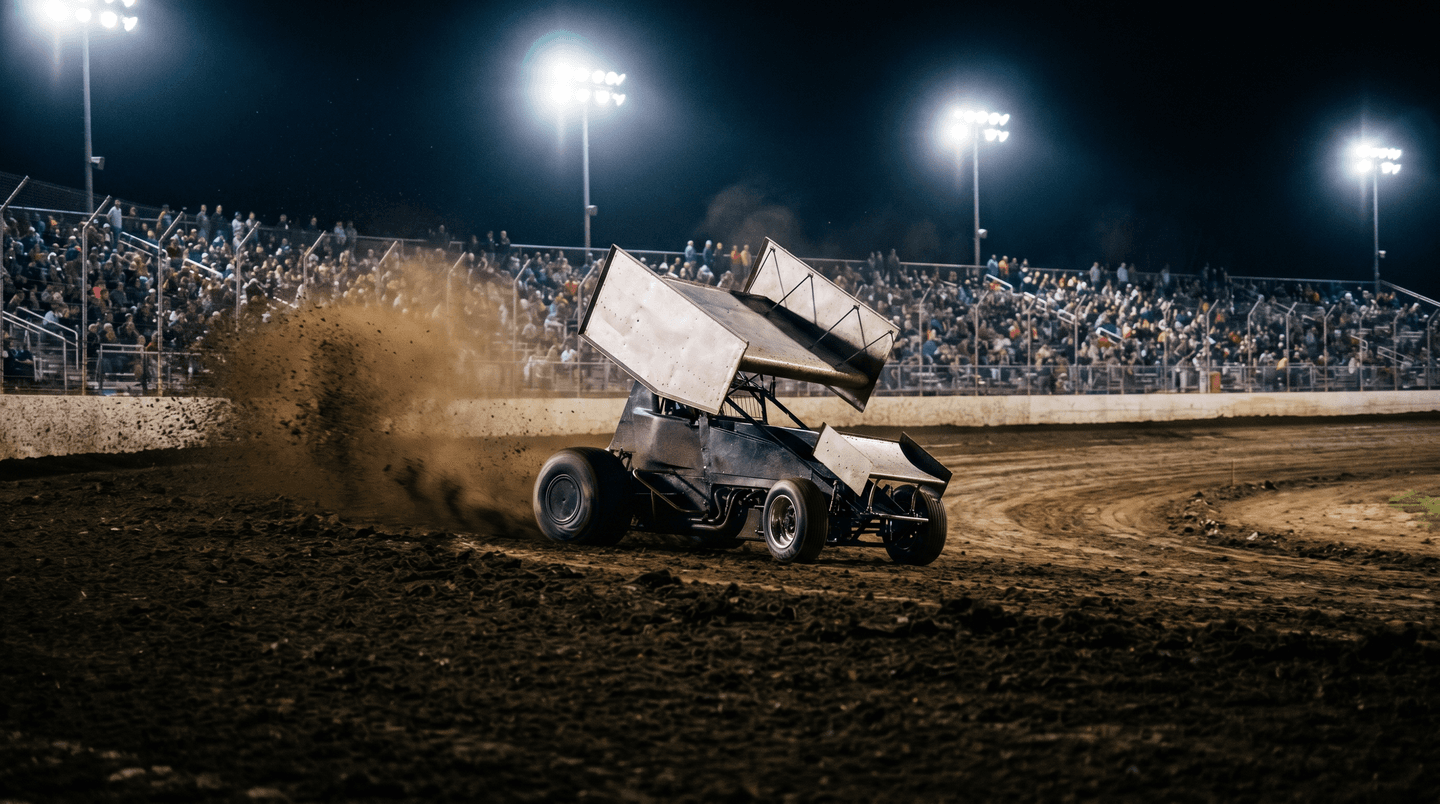
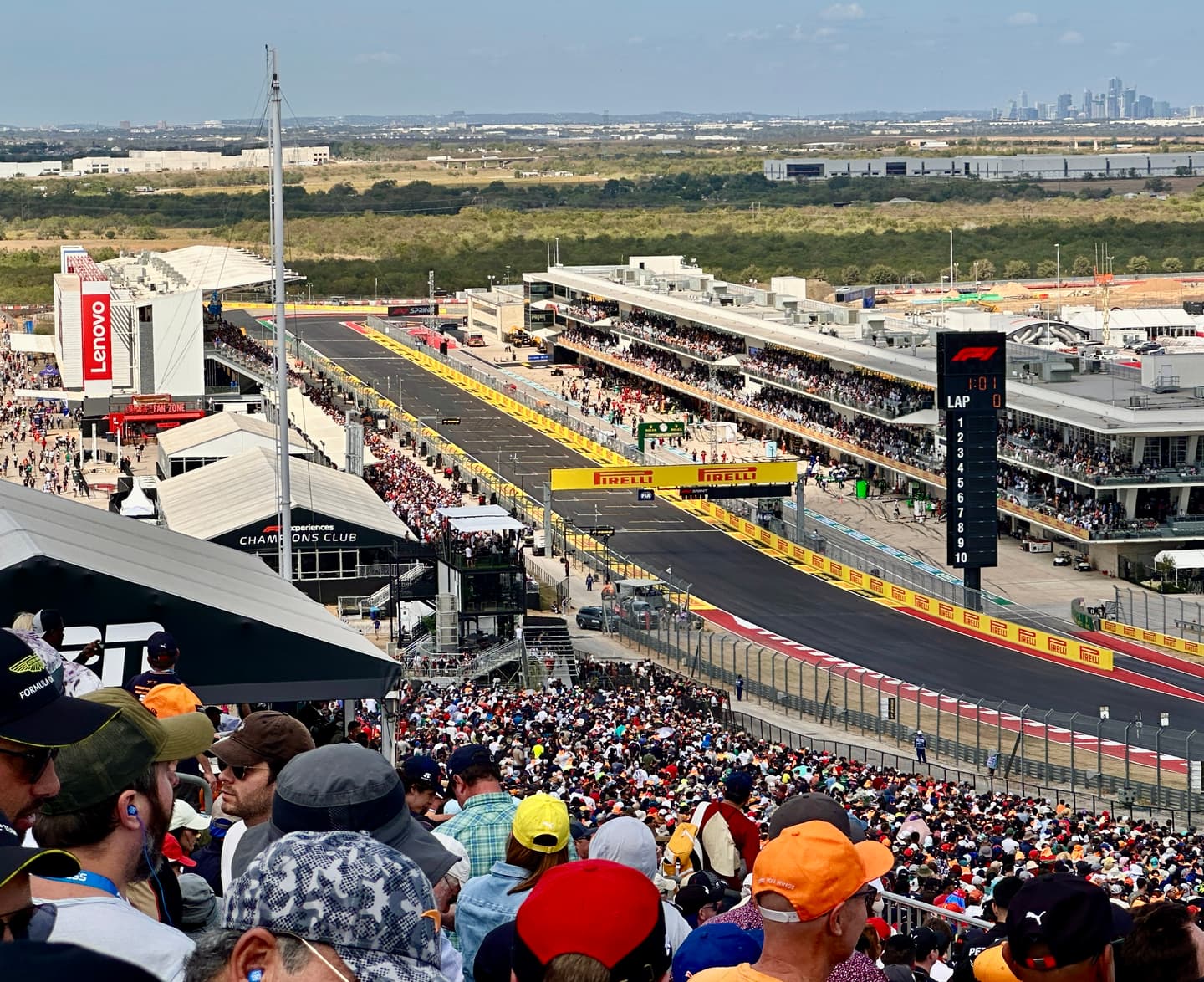
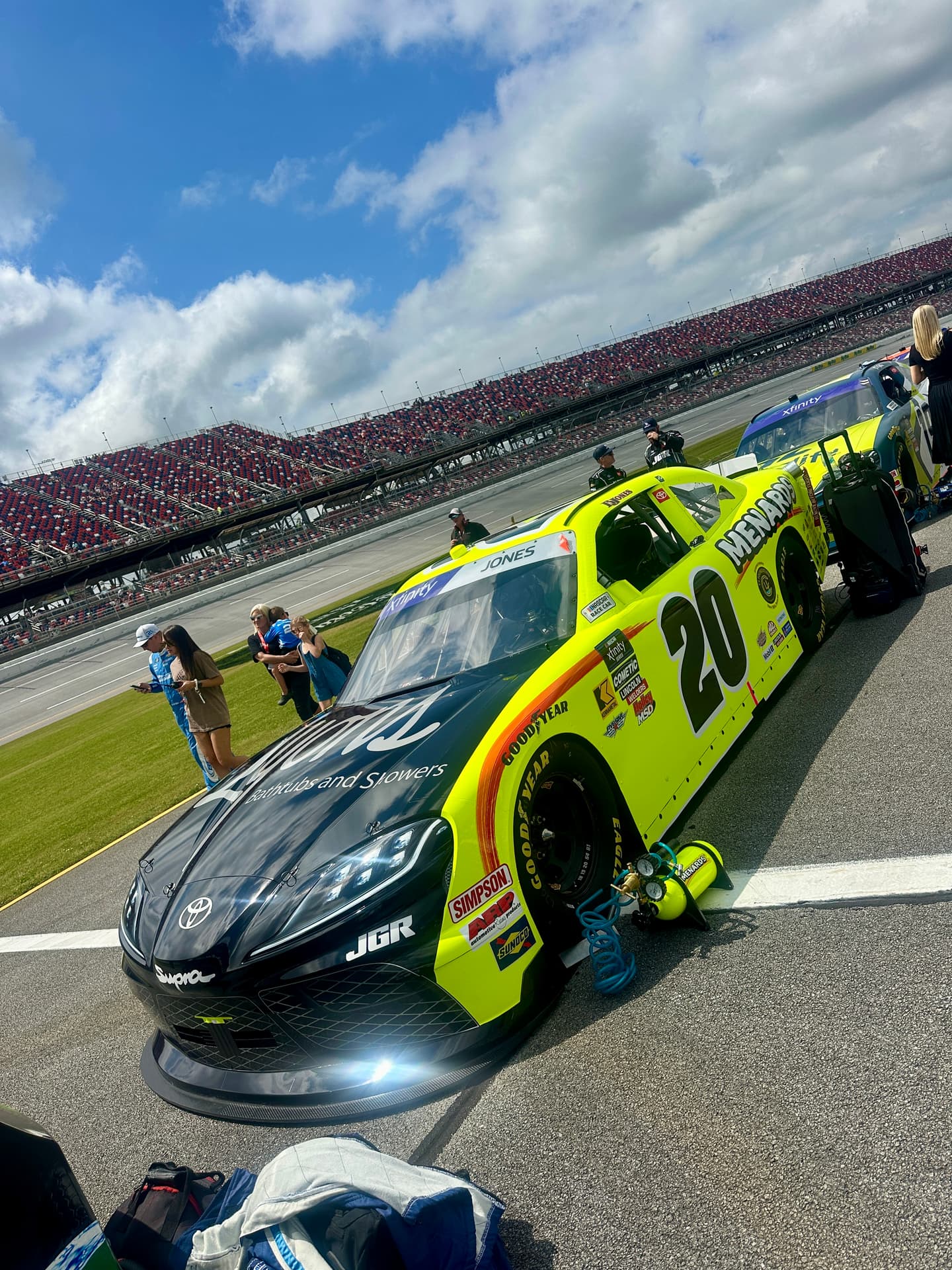
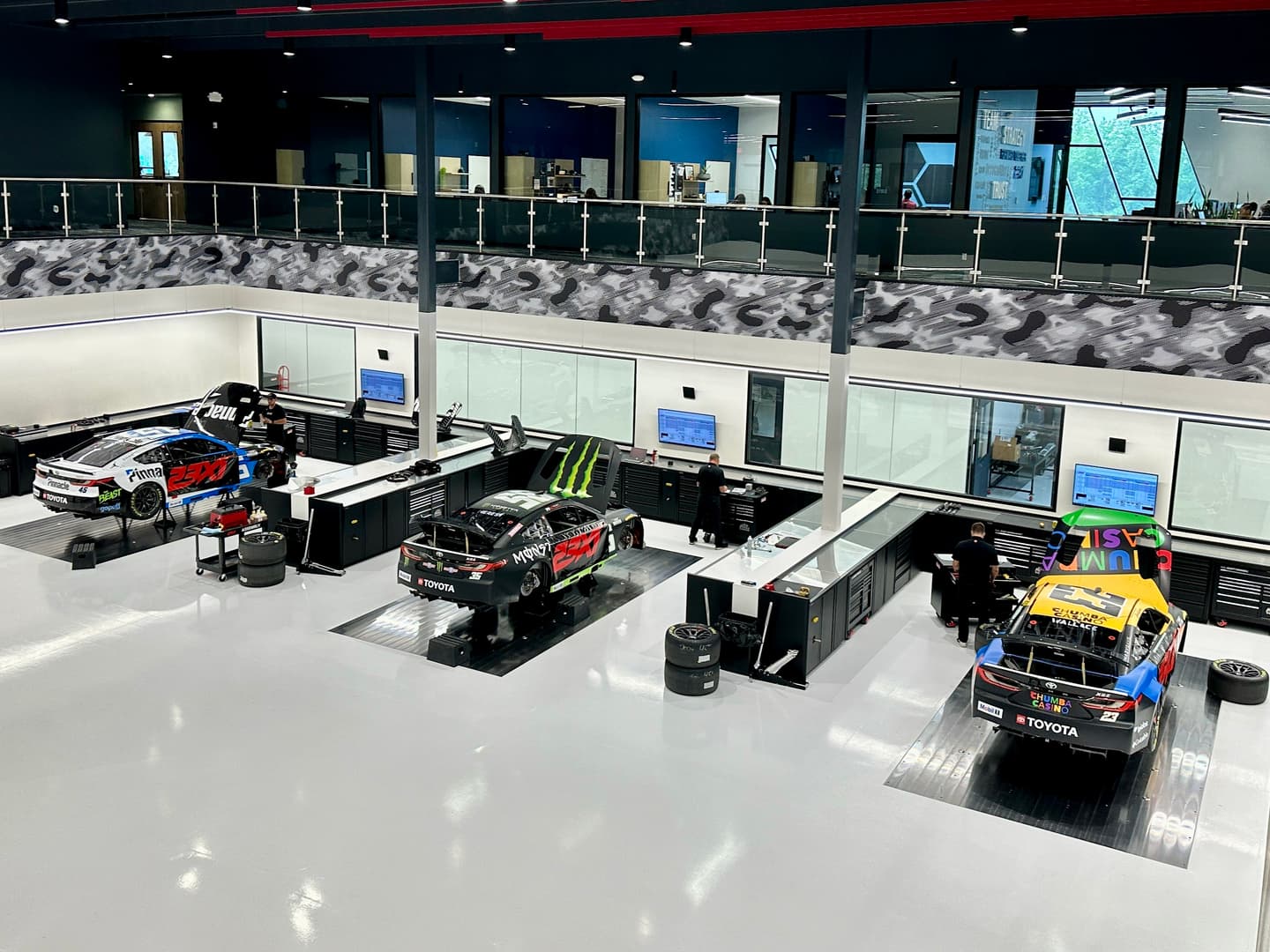
Oval racing is unmistakably American — it doesn't really exist anywhere else at this scale. Indianapolis Motor Speedway hosts the Indianapolis 500 each May, the largest single-day sporting event in the world, on a 2.5-mile rectangular oval that's been running since 1909. Daytona International Speedway hosts the Daytona 500 in February, plus the Rolex 24 endurance race and the summer Coke Zero 400. Beyond those, dozens of high-banked superspeedways and short tracks across the country support NASCAR, IndyCar, sprint cars, and modifieds. The atmosphere — tailgating, fan loyalty, the sheer physical scale of a packed superspeedway — is the experience. Pick one race, plan around it, immerse fully.
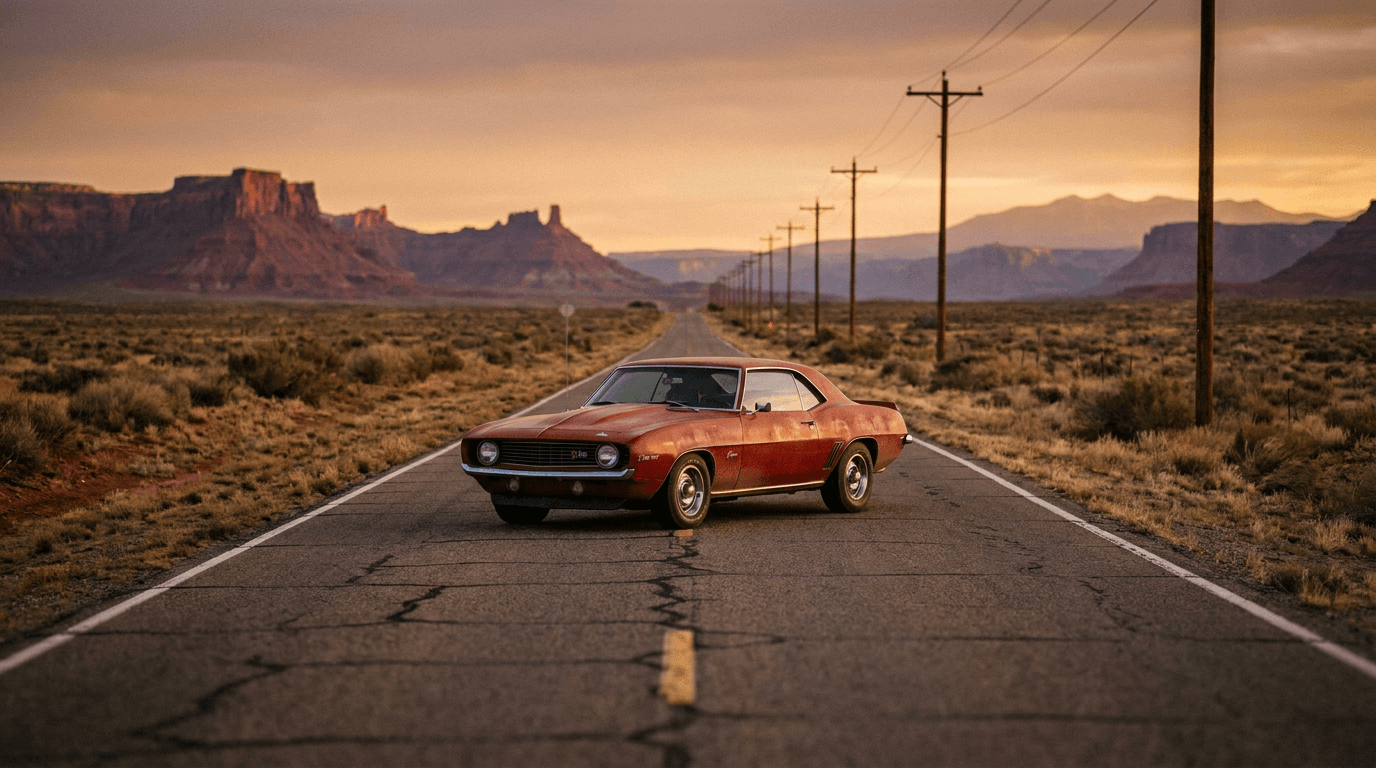
2,448 miles from Chicago to Santa Monica, threading through eight states, decommissioned as a US highway in 1985 but kept alive as a cultural route. Don't drive it for the road itself — interstates run faster, smoother, and parallel for most of it. Drive it for the diners, the neon signs, the small-town museums, the abandoned gas stations, and the Americana that doesn't exist anywhere else. End-to-end takes two weeks if you let it. Short sections through New Mexico and Arizona deliver the strongest concentration of preserved Route 66 culture if you've only got a week. Slow it down. The point isn't the destination.
A 19-mile toll road climbing from Cascade, Colorado, to 14,115 feet at the summit. The setting for the Pikes Peak International Hill Climb each June — the second-oldest motorsport event in America after the Indianapolis 500. Outside event week, it's a paved public toll road open to anyone. The altitude is the story: your car loses around 30% of its power at the top, the weather changes in minutes, and snow can fall in July. Go early in the morning before clouds close in. Don't rush. Use a low gear coming down — the road has mandatory brake-temperature checks at the halfway point because driver after driver cooks their brakes on the descent.
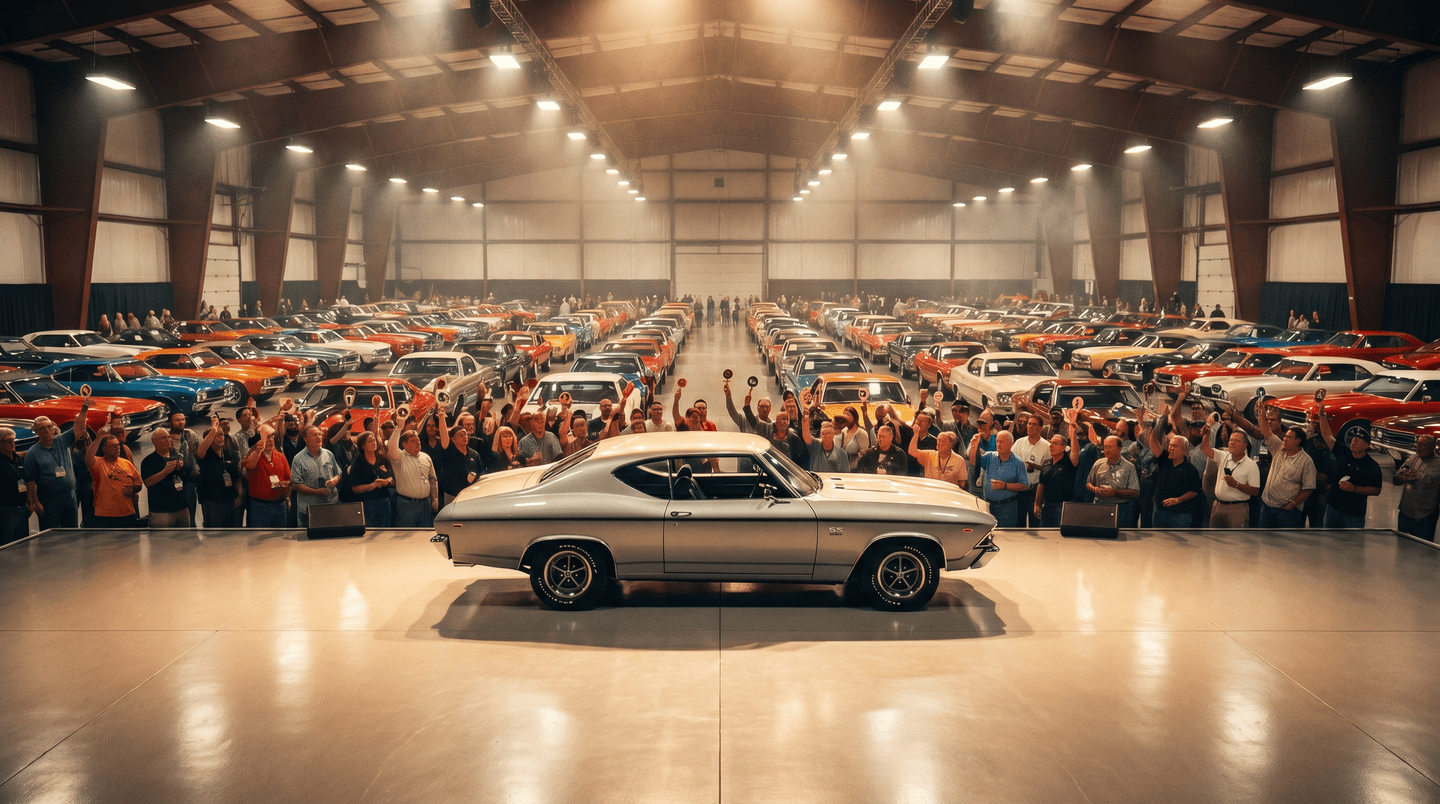
American factory V8 performance — Mustang, Camaro, Challenger, Charger, Corvette — is one of the most internationally recognised forms of car culture, and it's still alive on US roads in a way that surprises European visitors. You'll see modern muscle in everyday traffic, classic muscle at weekend cruise-ins, and serious restomod culture in Southern California, Texas, the Midwest, and the South. The Woodward Dream Cruise in Michigan each August is the big national gathering, but regional cruise nights run from spring through autumn in most states. The sound is the point — there's no European equivalent for a big-block V8 idling outside a diner.
Different beast from muscle cars. Hot rods are built, not bought — pre-war Fords stripped down and rebuilt with bigger engines, customs reshaped with chopped roofs and shaved trim, lowriders with hydraulics and showpiece paintwork. The tradition runs deep in Southern California, where dry lakebed racing and post-war returning servicemen gave it birth. The Goodguys Rod & Custom Association events run nationally. The Grand National Roadster Show in Pomona each January is the biggest indoor hot rod show in the world. Local cruise nights, regional clubs, and a generational knowledge transfer keep the scene alive. Show up at a small-town cruise-in on a summer Saturday and you'll see what the scene actually looks like.
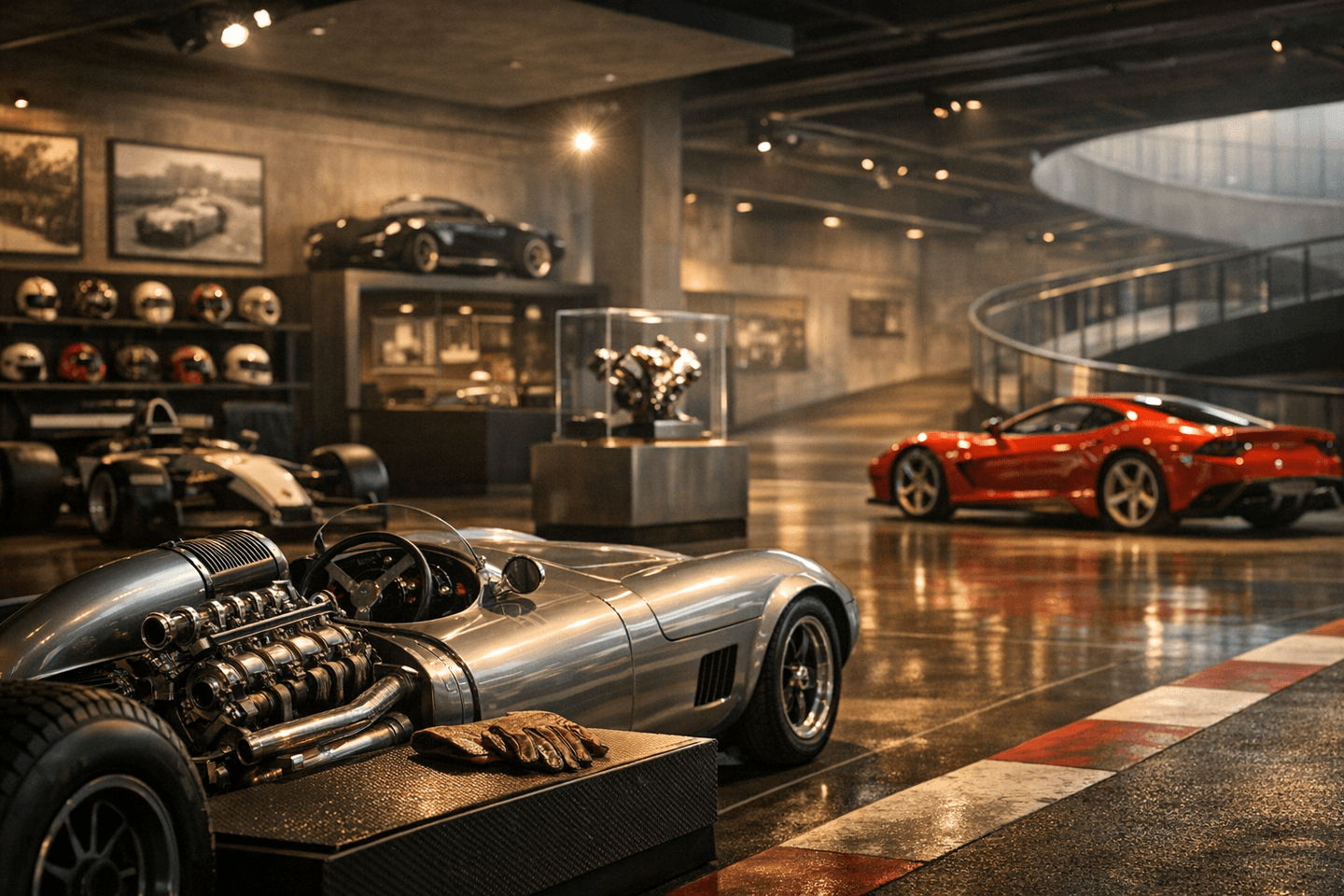
The US has a deep, scattered automotive museum landscape that rewards specific interests rather than generic browsing. The Petersen Automotive Museum in Los Angeles for design and culture. The Henry Ford Museum in Dearborn, Michigan, for manufacturing and American industrial history. The National Corvette Museum in Bowling Green, Kentucky. The NASCAR Hall of Fame in Charlotte. The Indianapolis Motor Speedway Museum. Specialist collections for hot rods (the NHRA Motorsports Museum in Pomona), motorcycles, trucks, and regional manufacturers fill in everywhere else. Pick the museums that match the trip, not a checklist.