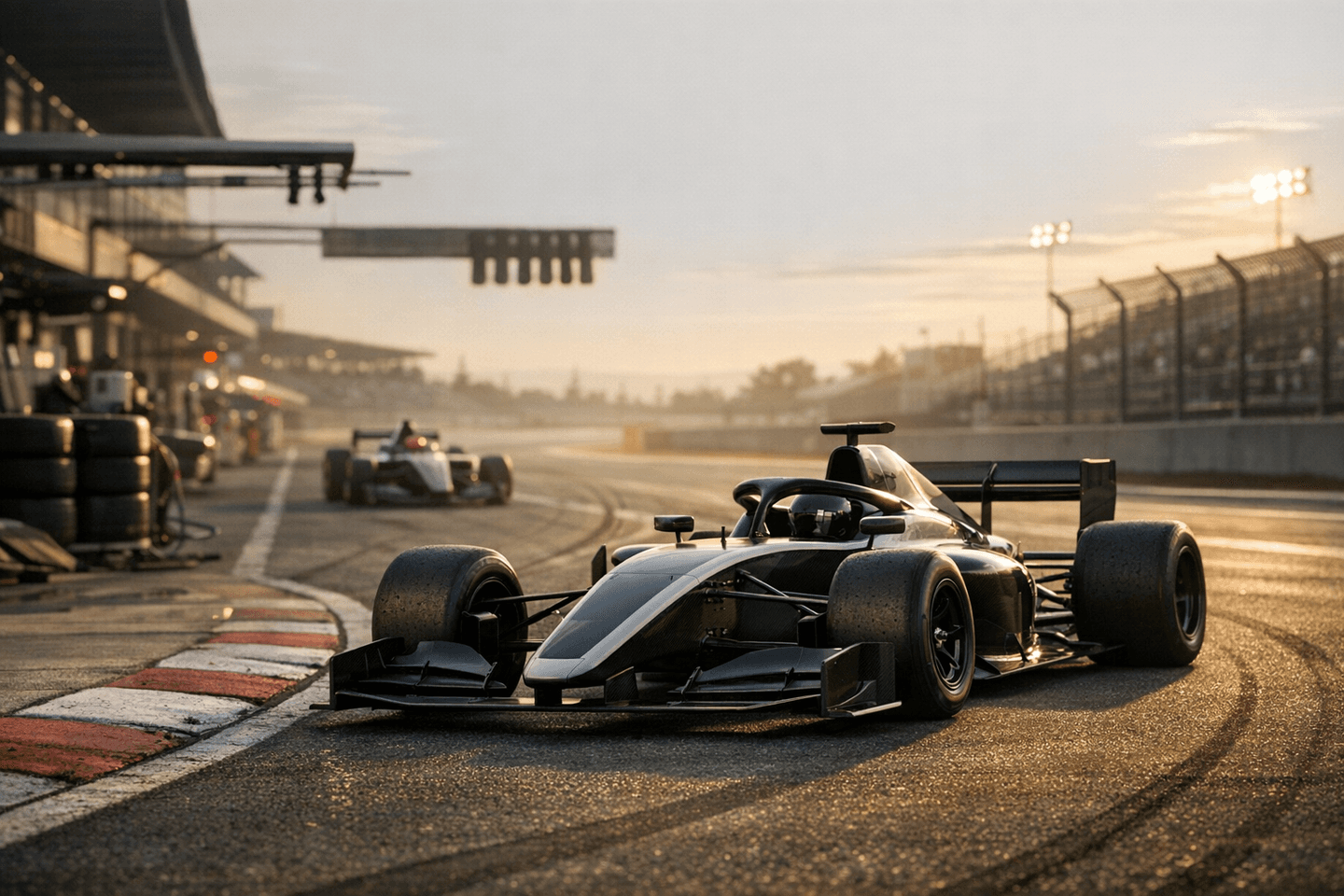
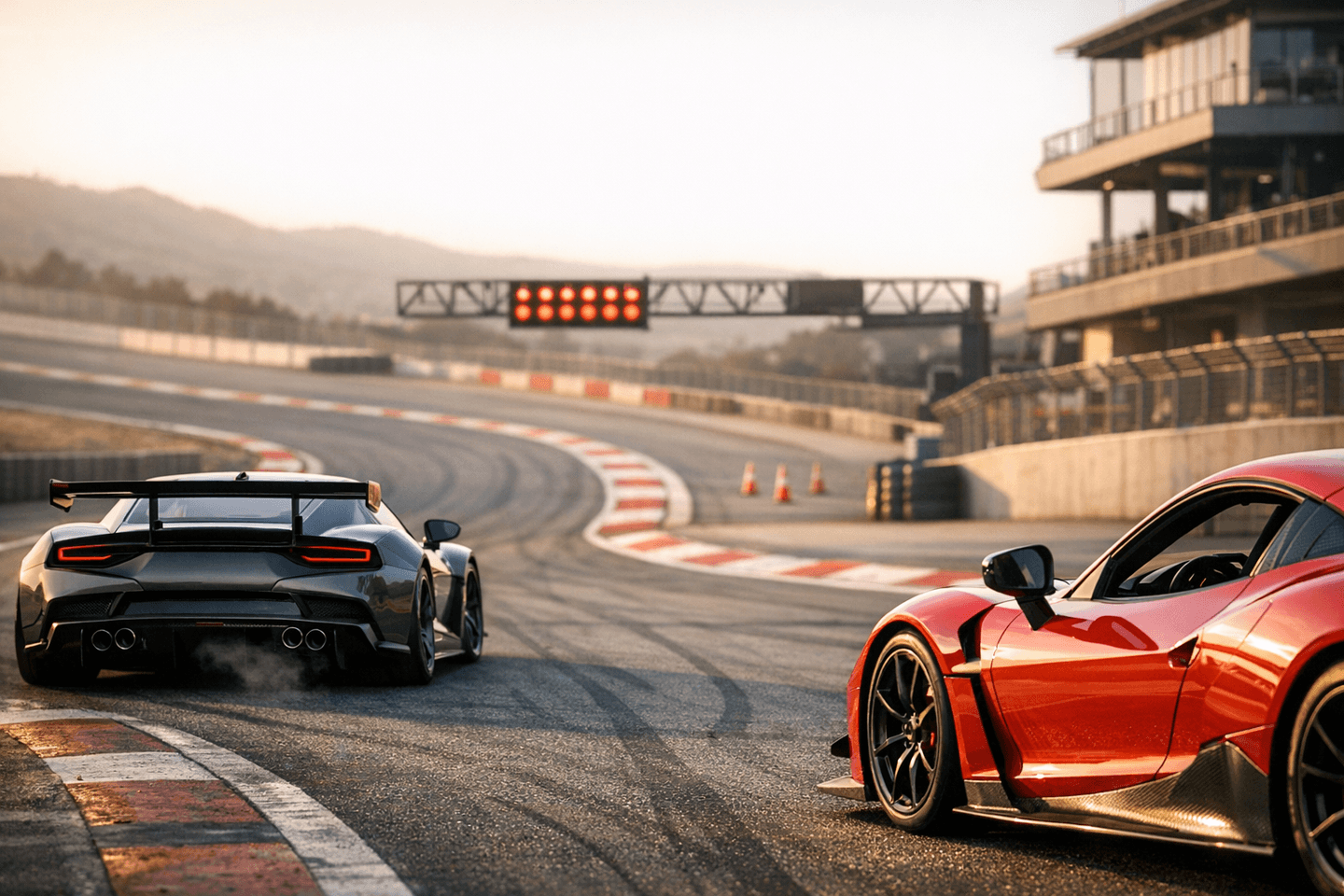
Canada's anchor international motorsport landmark, on the Île Notre-Dame in the middle of the St. Lawrence River in Montreal. The Canadian Grand Prix has run here since 1978 (with the circuit named in 1982 after the late Canadian F1 driver), and the 4.36km layout — fast straights, hard braking zones, and the infamous Wall of Champions on the final chicane — has produced more dramatic races than almost any other venue on the F1 calendar. Race weekend in Montreal in June is one of the great atmospheric experiences in motorsport, with the city embracing the event in a way that few other Grand Prix hosts match. Outside race week, the circuit is open for cycling and walking — you can actually trace the layout yourself.
Mosport — most people still call it by its original name — is Canada's premier road racing circuit, an hour east of Toronto. The 4.0km layout is fast, flowing, and properly old-school: long sweeping corners, real elevation changes, and minimal modern run-off in places. It's hosted Can-Am, F1 (the Canadian GP in the 1960s and 70s before Montreal took over), IMSA, the Indy Lights series, and a deep calendar of national-level Canadian motorsport. For visitors interested in the roots of Canadian road racing, this is where the heritage lives — and the track day calendar is active enough that you can usually find some serious action on a summer weekend.
Ice racing is one of the most distinctly Canadian forms of motorsport — frozen lake circuits, studded tyres, low-grip car control, and the kind of seasonal ingenuity that comes from a country where winter lasts six months. The Canadian Automobile Sport Clubs (CASC-OR) and Quebec's regional clubs run organised ice racing seasons from January through March on lakes like Lac Saint-Joseph and Lac Sainte-Anne. Frozen Ocean rallies in the north add another dimension. Even without competing, attending a winter ice race or watching the local scene gives you a piece of Canadian automotive culture that doesn't exist in most other countries. Dress for genuine cold — it's an outdoor sport in February.
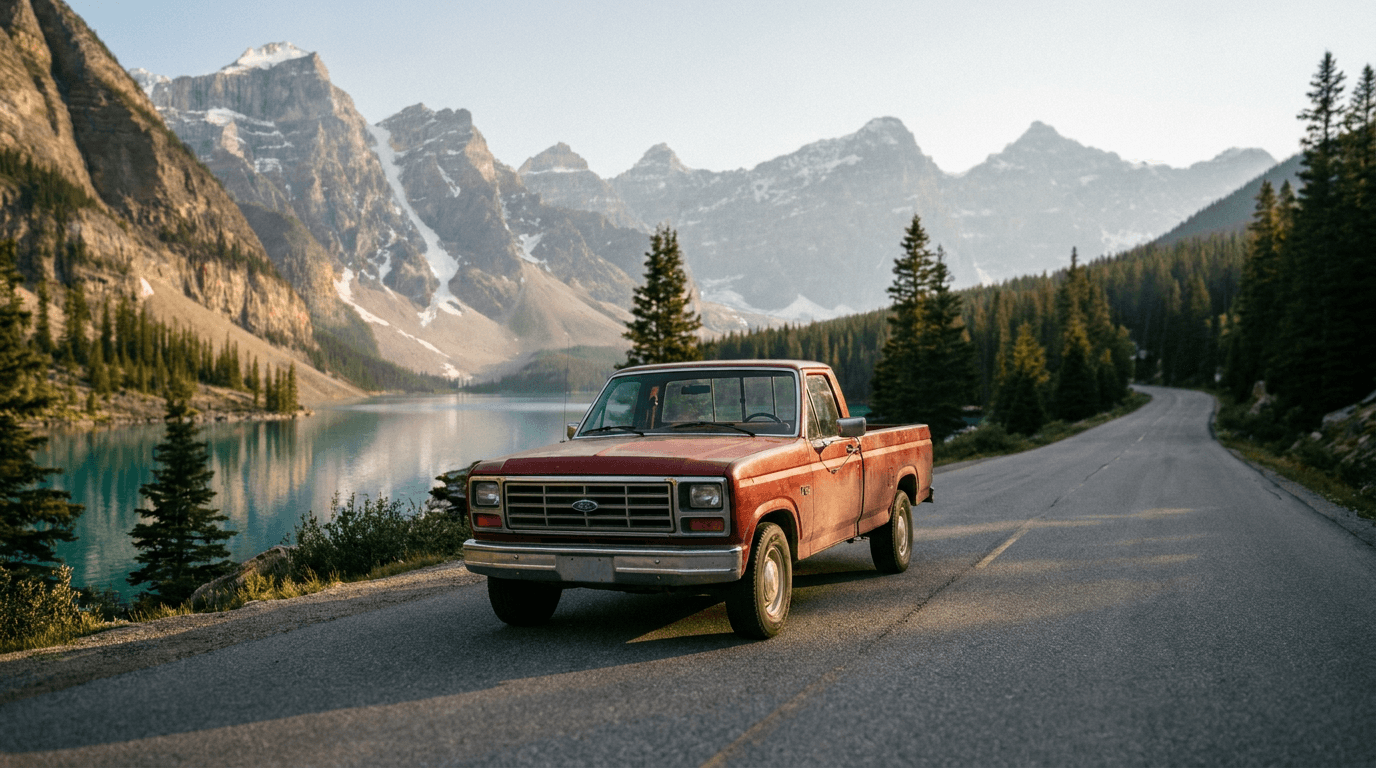
Banff and Jasper National Parks, connected by the Icefields Parkway (Highway 93N), give Canada one of the great mountain driving routes in the world. The 232km parkway between Lake Louise and Jasper passes glaciers, turquoise lakes (Peyto, Bow, Moraine), and continuous high-mountain scenery that genuinely deserves the hype. The Kootenays to the west, the BC interior to the south, and the Yoho/Glacier National Parks add depth for longer trips. The realities matter: park entry fees apply, summer traffic in Banff is heavy, wildlife on the road is a real risk (especially at dawn and dusk), and weather can change in minutes. Drive the Icefields early morning to beat the tour buses, allow more time than the kilometres suggest, and treat it with respect.
736km of gravel road from Dawson City in the Yukon to Inuvik in the Northwest Territories, with the Inuvik-Tuktoyaktuk Highway extending the route to the Arctic Ocean since 2017. The Dempster is the only public road in Canada that crosses the Arctic Circle. Tundra, mountain passes, two river ferries (closed in winter when ice roads replace them), almost no services for hundreds of kilometres, and weather that changes the road surface within minutes. This is expedition driving, not scenic touring — you need proper tyres, spare fuel, a satellite communicator or PLB, and the willingness to handle a flat tire or breakdown without help. Done with the right preparation, it's one of the great driving achievements in North America.
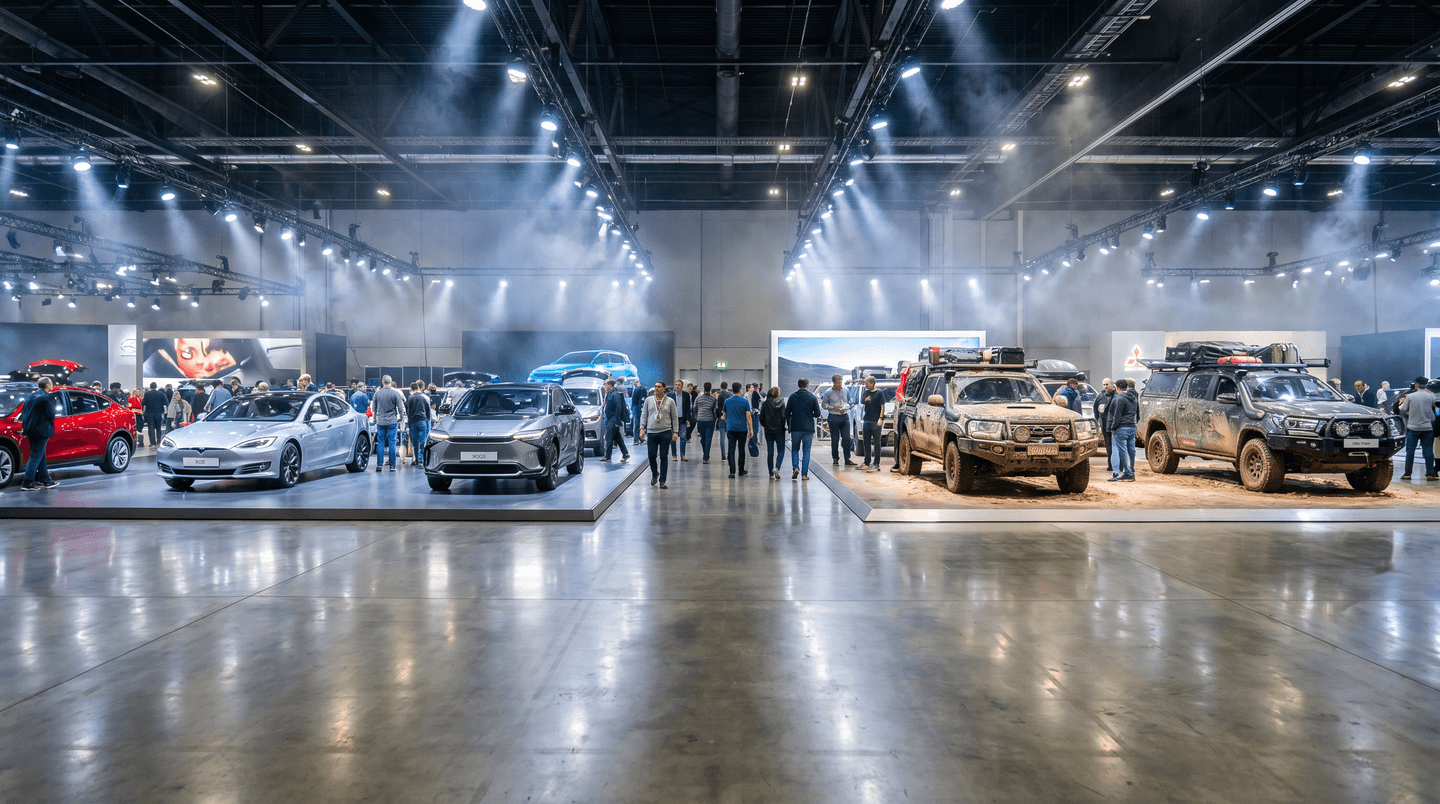
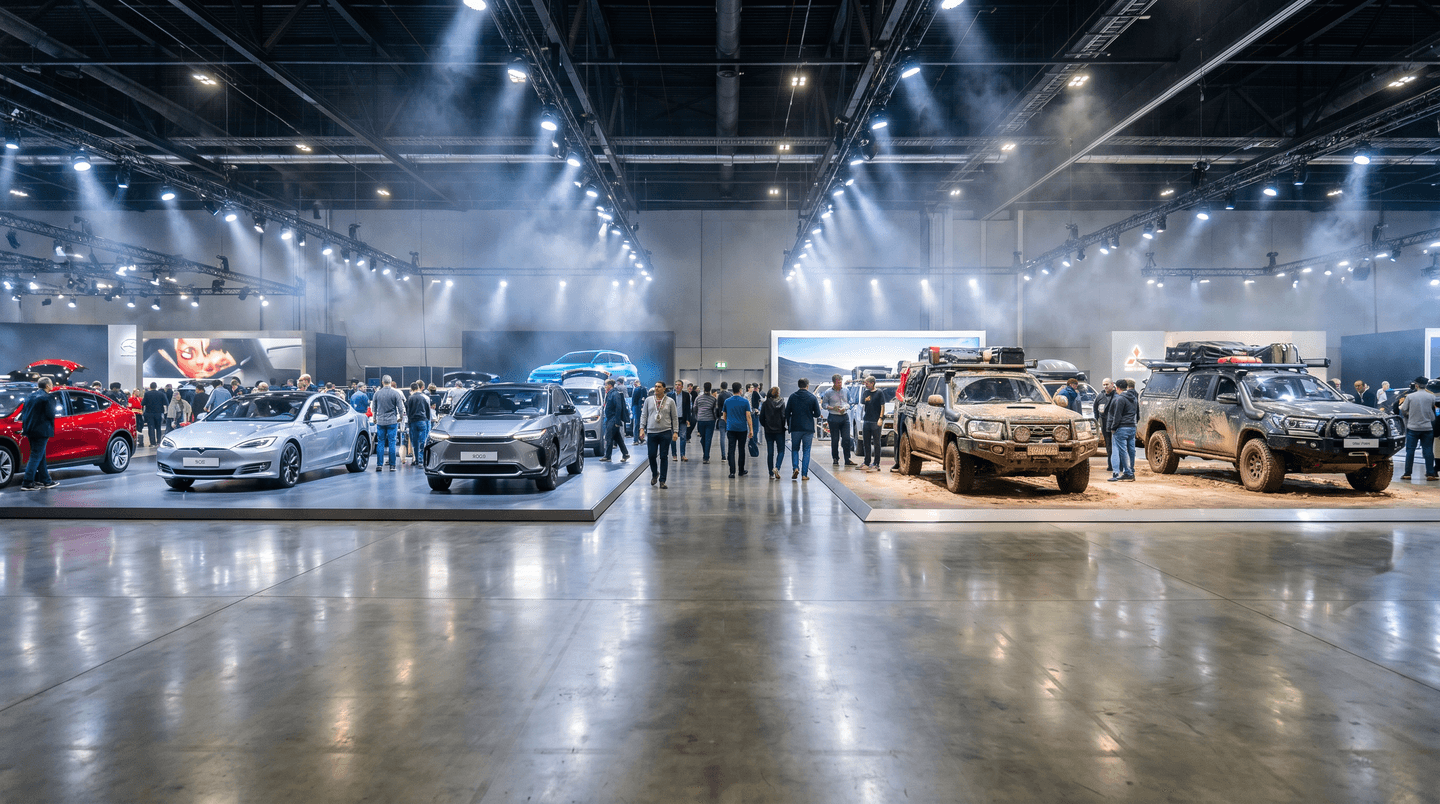
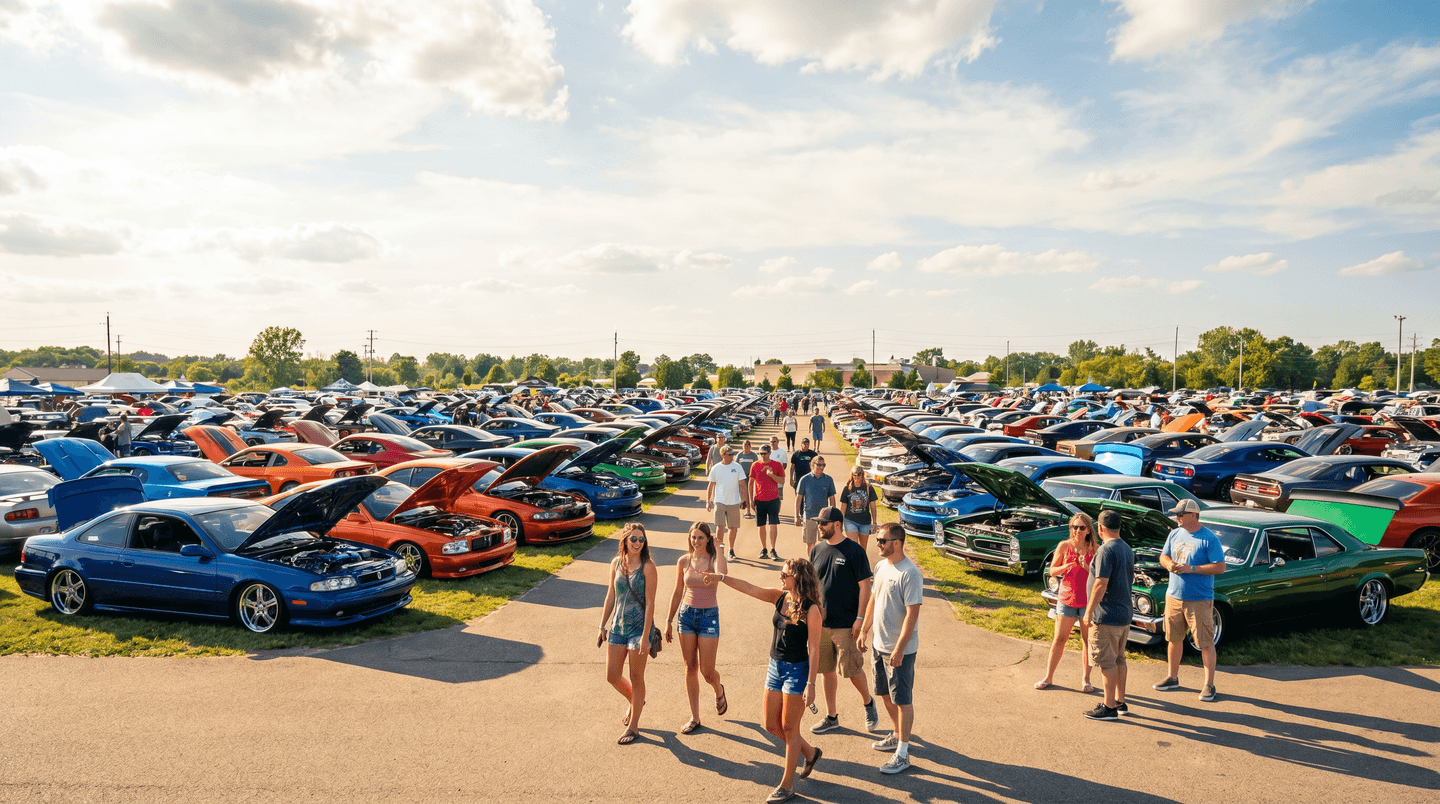
Canadian vehicle culture mirrors American culture in some respects but adapts to the climate and geography in ways visitors notice. Pickup trucks aren't a lifestyle statement — they're working vehicles across rural Canada, agricultural regions, and the entire winter-driving belt. The Ford F-Series has been Canada's best-selling vehicle for decades. Beyond utility, the country has a real muscle car and modified scene built around Detroit metal, JDM imports through BC's used-vehicle market, and prairie cruise culture. The Edmonton-area summer cruise scene and the Atlantic Canada show calendar are particularly active. The shared northern climate also produces serious cold-weather modification expertise that most American scenes don't develop.