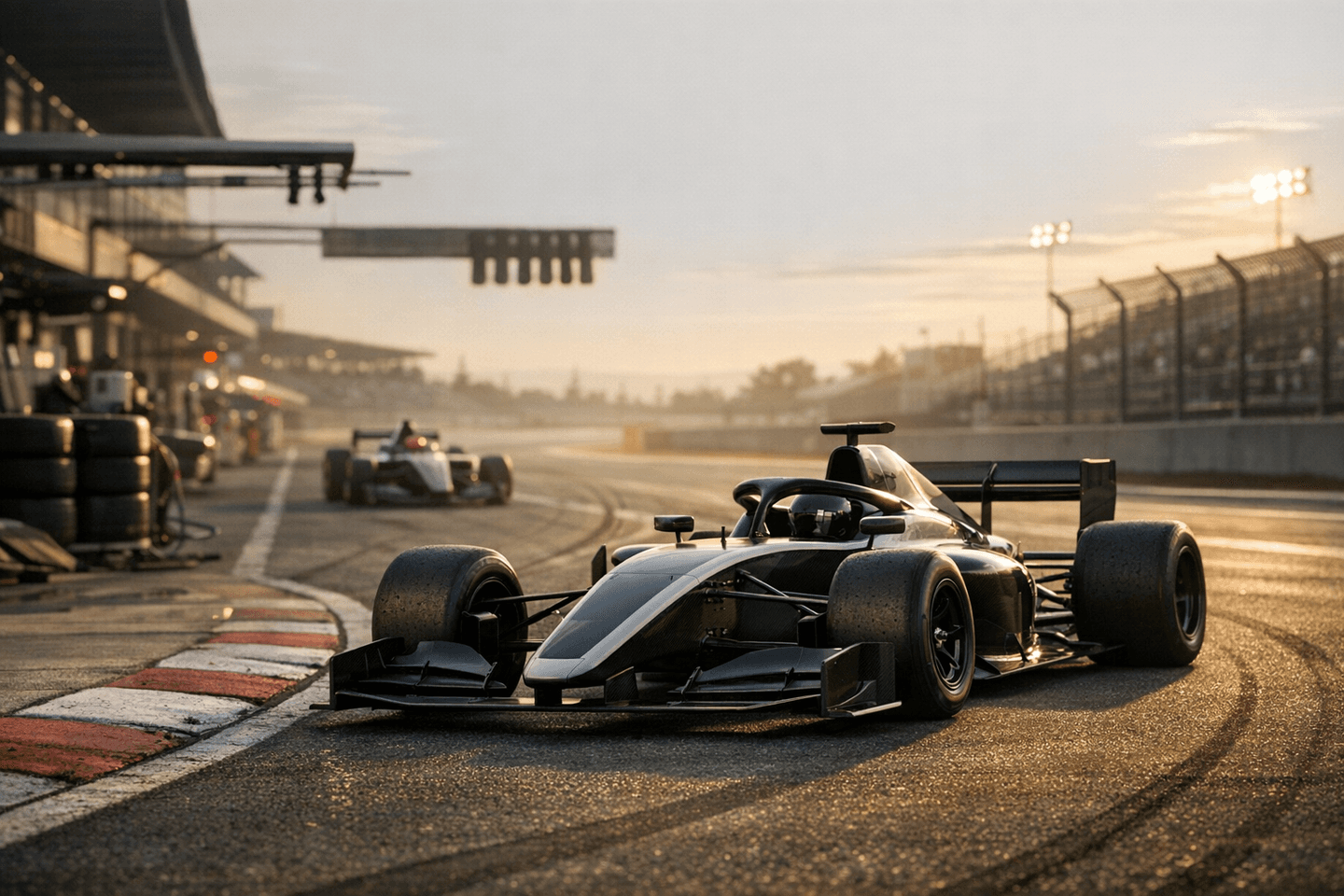
Istanbul Park is one of modern Formula 1's most respected circuits. The Hermann Tilke-designed 5.34km layout near Tuzla on Istanbul's Asian side hosted the Turkish Grand Prix from 2005-2011, then returned 2020-2021 for two pandemic-era races. After F1 left, the circuit kept hosting World Touring Car Cup, GT World Challenge, and active track day programs. Turn 8 is the circuit's signature — a 640m, four-apex left-hander that pulls 4G+ lateral load for 7 seconds, regularly named one of the greatest corners in modern F1. Formula 1 announced a return to Istanbul Park from 2027 under a multi-year deal — the country's motorsport calling card is back.
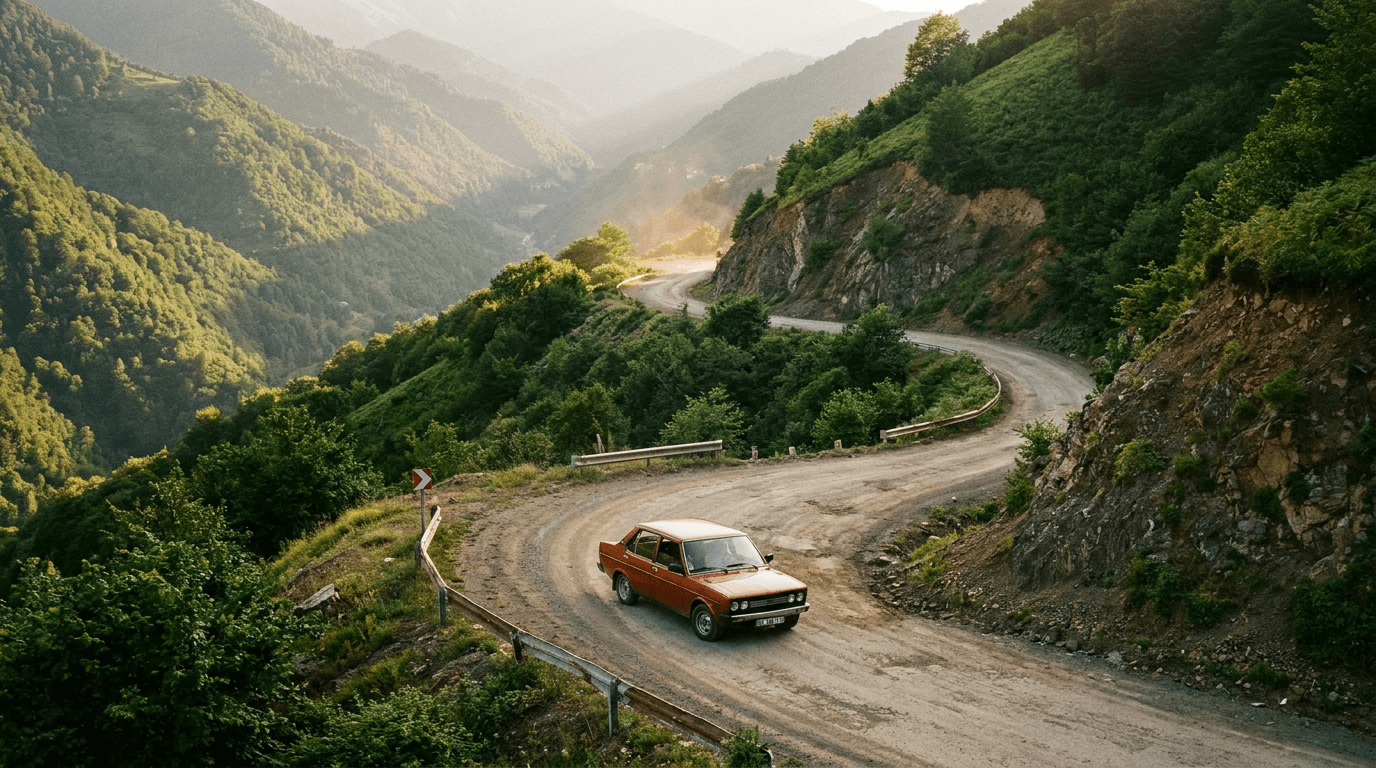
One of the world's most dramatic public driving roads. The D915 between Of (on the Black Sea coast near Trabzon) and Bayburt in the Anatolian interior climbs through the Pontic Mountains over a 2,330m pass — with the legendary Derebaşı Bends section featuring 29 hairpins on a narrow, partly unpaved cliffside road. The route was historically a vital trading corridor for Bayburt's salt and timber; today it's an enthusiast pilgrimage road for those who handle real exposure. Sections are single-lane with hundred-metre drops; rockfall, weather changes, and livestock are normal. Drivable May through October only; passes close in winter. Genuine adventure driving, not a tourist scenic route.
Turkey's Turquoise Coast (Lycian Coast) is one of the Mediterranean's finest coastal drives. The D400 highway runs roughly 600km from Fethiye east through Patara, Kalkan, Kaş, and Demre to Antalya, hugging cliffs above the turquoise Aegean and Mediterranean. Sea views, ancient ruins (Patara, Myra, Phaselis), pine forests, and the kind of coastal driving that compares favourably with Italy's Amalfi or California's PCH — but with far less traffic and lower prices. The Olu Deniz lagoon section is the photographic highlight. Best driven April-June and September-October to avoid peak summer crowds and 40°C+ heat. Doable as a relaxed 4-day drive or extended into a full Aegean-Mediterranean loop.
Central Anatolia delivers Turkey's most distinctive inland road trip. The classic route runs Ankara to Cappadocia via Konya — stopping at the Tuz Gölü salt lake (Turkey's second-largest, vast white plain), Konya's 13th-century Mevlana Museum, and arriving at Cappadocia's volcanic landscape. Once there, the road network through Göreme, Uchisar, Avanos, and the underground cities (Derinkuyu, Kaymakli) makes the region a 3-4 day driving destination on its own. Doable as a 7-10 day loop from Istanbul via Ankara, returning via the Aegean coast through Pamukkale and Ephesus. Open year-round, but spring and autumn deliver the best photographic conditions for the Cappadocia landscape.
Turkey has a deeper automotive heritage than visitors expect. Tofaş (founded 1968, partnered with Fiat) produced the legendary Tofaş Şahin, Doğan, and Kartal sedans that defined Turkish roads for 40 years and still appear in modified enthusiast scenes. Oyak-Renault has built cars in Bursa since 1971 (the Mégane and Symbol are Turkish-built). The Anadol A1 (1966-1991) was Turkey's first fiberglass-bodied passenger car. Today, TOGG (Turkey's first all-electric domestic carmaker, founded 2018) launched the T10X SUV in 2023 from its Gemlik factory — a serious national EV pride project. Bursa remains Turkey's automotive industrial capital, with Ford Otosan in Kocaeli and Toyota in Sakarya completing the manufacturing geography.
Rally Turkey was one of WRC's toughest events during its 2003-2010 first era and 2018-2020 return — known for brutal gravel stages, summer heat (40°C+), thick dust, and high attrition rates (the 2003 Marmaris event saw only 27 of 62 crews finish). The modern Rally Turkey ran from the Marmaris service park through stages around Datça, Ula, and the Çetibeli forest — the same Muğla region tourists drive on the Turquoise Coast. The rally is currently dormant from WRC but the stage roads remain drivable, and the Turkish Rally Championship continues at the national level. The Çeşme and Maróromás gravel courses give a sense of the WRC heritage. Best driven April-October; winter brings rain and reduced gravel quality.