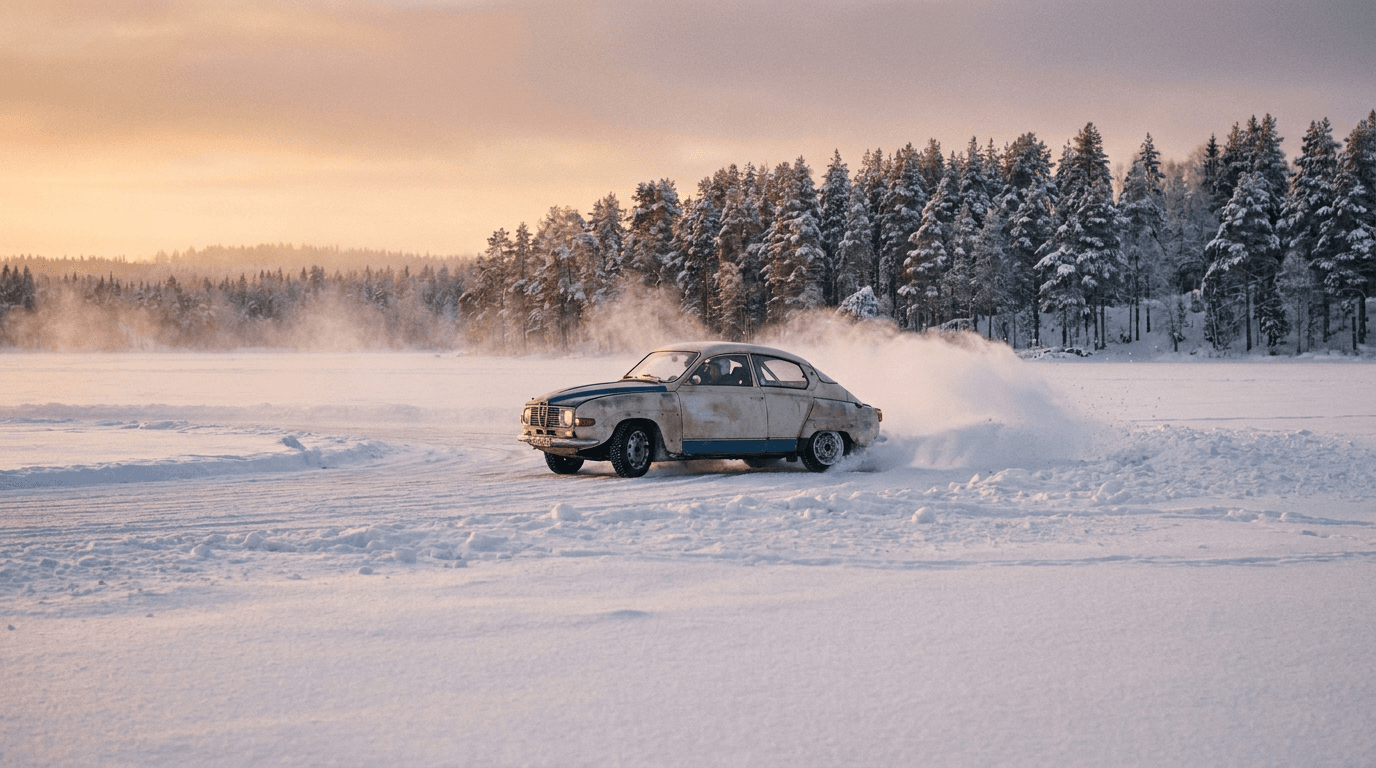
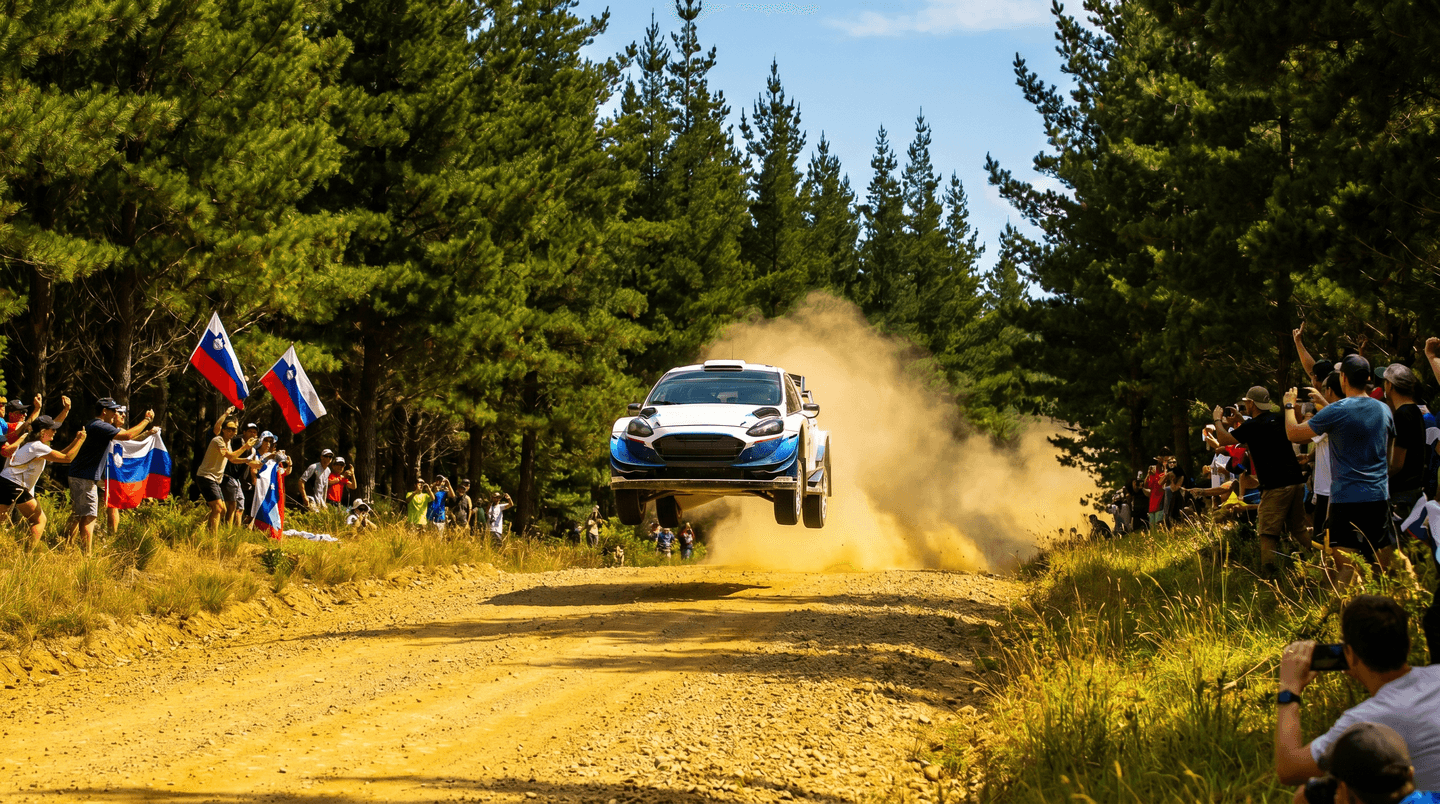
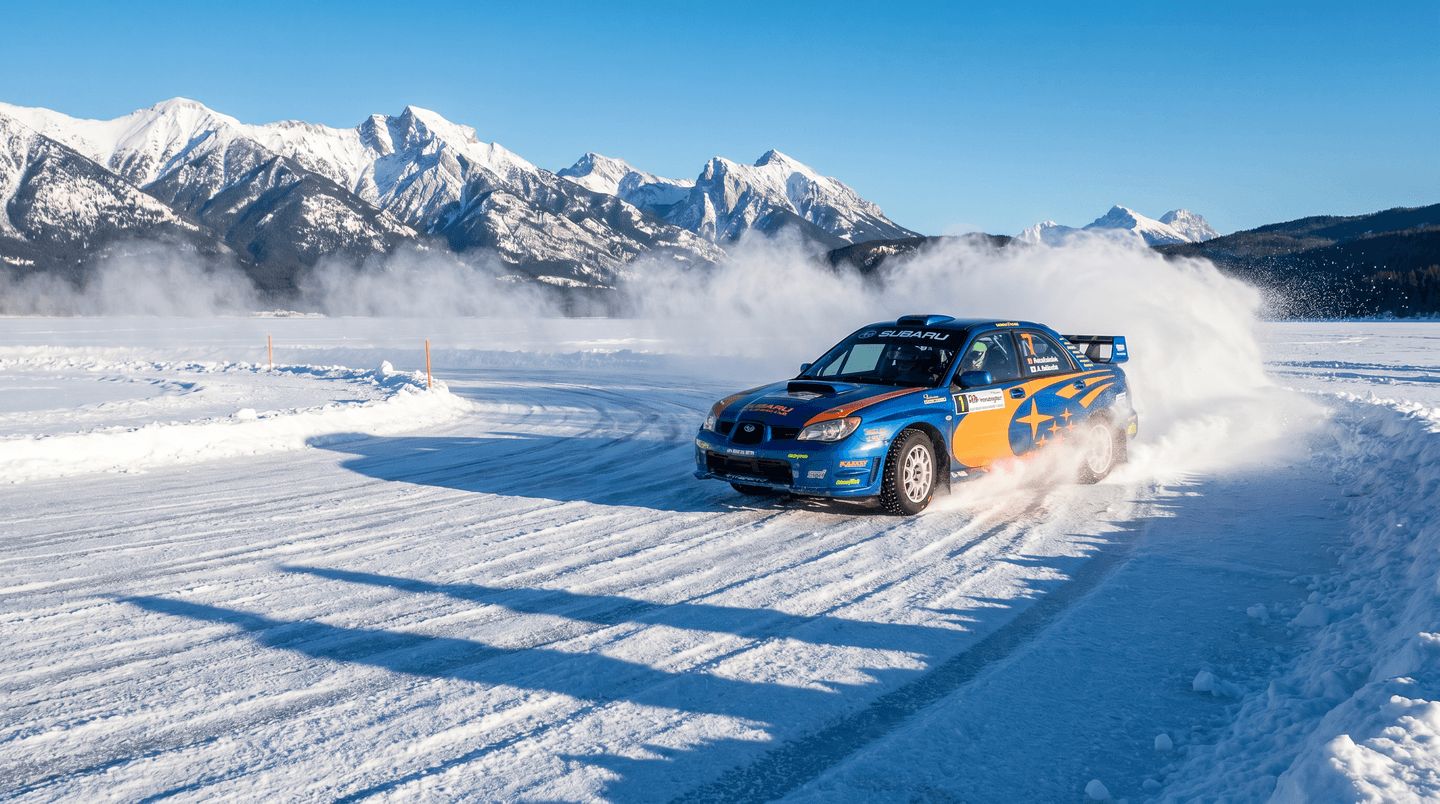
Rally Sweden is the WRC calendar's only true winter round, and it's been part of the championship continuously since 1973 — the longest unbroken run of any rally on the schedule. Stages run on snow-packed forest roads with metre-high snowbanks lining the corners, drivers use studded tyres with hundreds of small metal spikes, and average speeds on some stages exceed 130km/h. The rally is now based in Umeå in the far north (moved from Värmland in 2022 to guarantee snow conditions), and the spectator experience is unlike anything else in motorsport — standing on snowbanks in -15°C with rally cars sliding past at full speed. The closest thing to motorsport theatre that nature provides.
Scandinavian Raceway at Anderstorp, in rural Småland in southern Sweden, hosted the Swedish Grand Prix six times between 1973 and 1978 — the country's only Formula 1 era. Ronnie Peterson and Gunnar Nilsson, two of Sweden's great F1 drivers, raced here. The 4.0km layout is unusual: built around a working airfield, with the main straight running down a runway. Today it hosts national-level Swedish motorsport, track days, and historic racing weekends. For visitors interested in F1 history and the moment when Sweden was on the calendar, this is the landmark — set in countryside that's distinctly Swedish rather than the urban backdrop of most modern circuits.
Sweden produces World Rallycross champions at a rate no other country matches. Johan Kristoffersson (six-time World RX champion, 2017-18 and 2021-23), Mattias Ekström (two-time WRX champion), Timmy Hansen, Kevin Hansen — all Swedish, all dominant. The spiritual home of the sport is Höljes in Värmland, which has hosted the World Rallycross of Sweden round ("Magic Weekend") since the late 1970s. The Swedish rallycross identity comes from gravel, tarmac, and mixed-surface car control developed across the country's varied driving environments. For motorsport travellers, a Rallycross weekend at Höljes in July is one of the great underrated motorsport experiences in Europe.
Frozen lake driving is a Swedish winter institution. Organised ice driving operators run experiences on prepared lake tracks across the country — most famously around Are, Jämtland, and the lake systems north of Stockholm — where you can spend a day learning genuine winter car control on a fully-frozen surface. Studded tyres, low-grip cornering technique, and the kind of slow-speed slide management that makes you a better driver permanently. The honest cautions: ice thickness varies year-to-year and even week-to-week, the season window is generally late January through mid-March, and you should never improvise on unfamiliar ice — always use organised operators with current local knowledge. This is one of the few places on earth where winter is genuinely a driving asset.
Sweden has the most developed organised snow and ice driving scene in the world. Multiple operators run dedicated programs from January through March: prepared frozen-lake tracks, studded-tyre rental cars (typically older Volvos and BMWs), professional instructors, full-day and multi-day courses progressing from car control basics to genuine ice racing technique. Are and Östersund in Jämtland are the biggest hubs, with additional programs near Arvidsjaur (where most manufacturers also run winter testing). Multi-day snowmobile expeditions across frozen lakes and forests round out the winter offering.
Volvo is more than a car brand in Sweden — it's a national identity expressed in vehicles. Founded in 1927 in Gothenburg, Volvo built its global reputation on safety (the three-point seatbelt, invented and patented by Volvo's Nils Bohlin in 1959, then given away for free to other manufacturers) and on durable, rational, understated cars. The Volvo Museum in Gothenburg covers nearly a century of production: the iconic 240 wagon, the boxy 740, the racing 850 estate that competed in BTCC, the modern P1800 revival concepts, and the current EX90 electric flagship. Even outside the museum, you see the brand's values reflected in everyday Swedish driving: safety-first, sensible, built to last. Volvo wagons are still the country's unofficial national vehicle.
Koenigsegg is Sweden's improbable contribution to the global hypercar conversation — a small independent manufacturer in Ängelholm that builds some of the fastest, most technically extreme road cars ever produced. Christian von Koenigsegg founded the company in 1994, and it has consistently set world records: the Agera RS held the production-car top speed record at 447km/h in 2017, and the Jesko Absolut is theoretically capable of over 500km/h. The cars feature in-house engineering at almost every level — carbon fibre monocoques, valveless camshaft technology (FreeValve), nine-speed direct drive transmissions of their own design. Production volumes are tiny (a few dozen cars per year) and prices run into the millions. Sweden's automotive identity isn't just sensible wagons — it's also one of the most uncompromising performance car operations in the world.