Russia automotive destination
RussiaEurope

Discover Russia's Automotive Experiences

From the Moscow Raceway and the Sochi Autodrom to the long European-Russian touring routes, Russia carries one of the world's largest motorsport and touring landscapes.

344

Experiences

6

Featured cities

Overview

Russia is the world's most extreme automotive geography — a country that covers 11 time zones and produces a relationship with cars unlike anywhere else on earth. The trans-Siberian highway runs more than 11,000 kilometres from Moscow to Vladivostok. The terrain ranges from Arctic tundra to Caucasian mountains. For drivers chasing genuine endurance road trips, few countries can match what Russia offers.

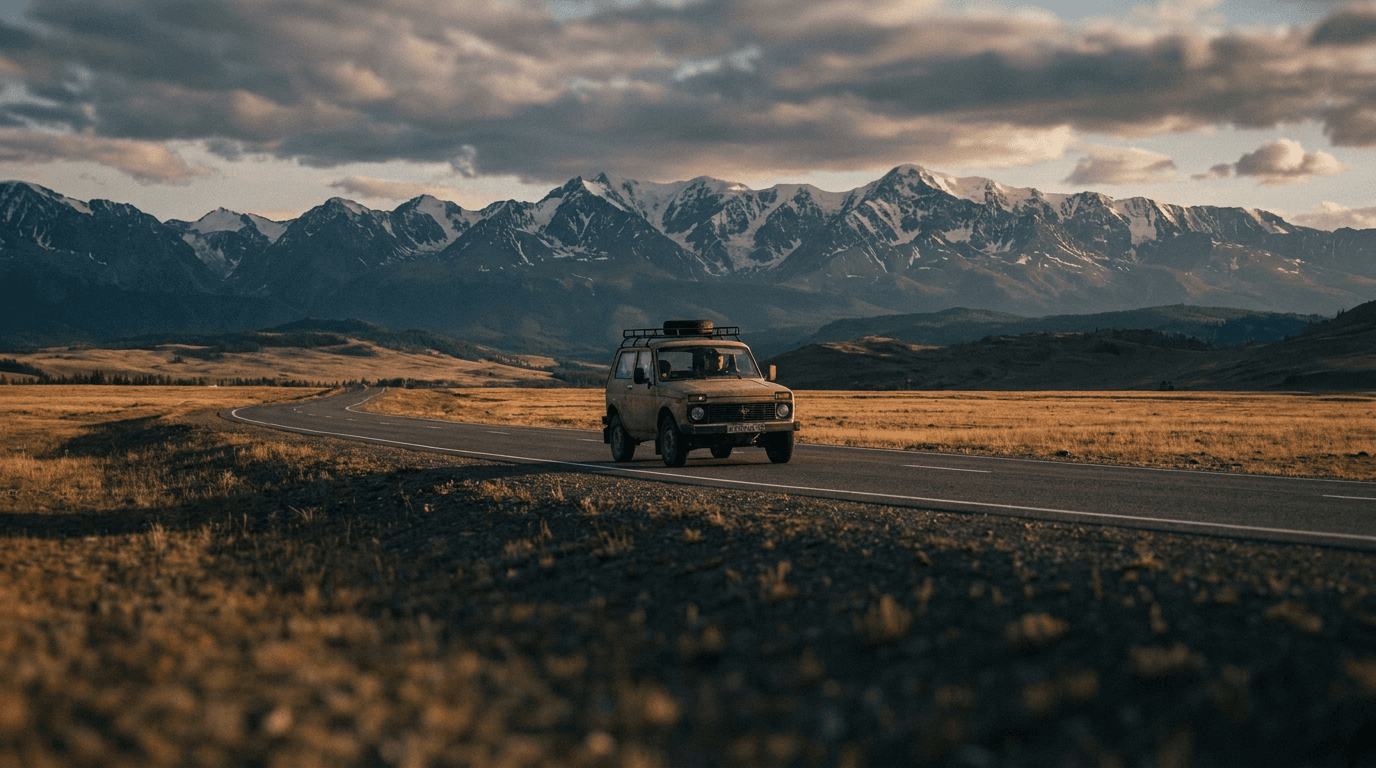
The automotive identity runs on Lada. Founded in 1966 in Togliatti and originally building licensed Fiat 124s as the VAZ 2101 from 1970, Lada became the people's car of the Soviet Union and remained the dominant Russian brand into the modern era. The Niva, launched in 1977, became one of the longest-running production vehicles in automotive history, still made today with much of its original mechanical layout. For most Russians, Lada represents a relationship with cars that's about utility, simplicity, and the ability to keep something running through anything.

The wider scene reflects Russia's history. Moscow and St Petersburg both have active modified import communities, particularly for German and Japanese performance cars. The country has produced a serious off-road culture built around the Niva, UAZ, and Soviet-era military vehicles. The Igora Drive circuit near St Petersburg and the Moscow Raceway anchor domestic touring car and drift championships. And the roads through the Caucasus, the route around Lake Baikal, and the long run across Siberia are drives that take days or weeks rather than hours.

Why Visit Russia

What makes Russia a must-visit destination for motorsport and automotive enthusiasts

The Trans-Siberian Highway

The world's longest single-country drive: Moscow to Vladivostok via the M5, M7, R254, R255, R297, and A370, totalling approximately 9,300km across eight time zones. The Trans-Siberian route is the ultimate overland bucket list trip — entirely paved (the final sections were completed in 2010), passing through European Russia, the Urals, Siberia, Lake Baikal, and the Far East. Two to three weeks of driving minimum. Cultural pilgrimage as much as a road trip; every serious overlander has it on a list. Currently operationally difficult for most international visitors — see FAQ for current access reality.

Road of Bones (R504 Kolyma Highway)

The R504 Kolyma Highway connects Yakutsk to Magadan across 2,032km of the Russian Far East. Built by Gulag prisoners during the Stalin era — the road earned its name from the prisoners who died building it and were buried in the roadbed itself. Mostly unpaved, dropping to -50°C in winter and turning to deep mud during the rasputitsa thaw seasons. The remoteness is real: fuel gaps of 400+ km, no mobile signal, river crossings on ice in winter and on barge ferries in summer. The most iconic adventure expedition route on Earth, regularly featured in Long Way Round-style documentaries.

Chuysky Trakt and the Altai Mountains

The Chuysky Trakt (R256) runs 968km from Novosibirsk through the Altai Mountains to the Mongolian border. National Geographic ranked it among the 10 most beautiful roads in the world. Mostly paved, crossing five climate zones — Siberian forest to high-altitude steppe to genuine alpine terrain near Mongolia. The Seminsky and Chike-Taman passes deliver Alps-character driving without the Alpine crowds. Best driven June through September; high passes can carry snow into June. The Altai is often called "Russian Switzerland" — the comparison holds for scenery, not infrastructure.

Russian Drift Culture

Vladivostok and Krasnoyarsk are world-significant drift cities. Vladivostok's proximity to Japan (Japanese RHD imports flooded the Far East in the 1990s) made it Russia's drift heartland — Mazda RX-7s, Toyota Chasers, Nissan Silvias, all sliding sideways through industrial port districts and the city's elevated highway loops. The Russian Drift Series (RDS) is one of the most respected national drift championships outside Japan. The distinctive Russian contribution: winter drift on frozen lakes and industrial yards, often in Soviet-era rear-wheel-drive sedans (Lada 2107 / 2105). Skill over budget.

Lake Baikal Ice Roads

From mid-January to late March, Lake Baikal freezes solid enough to support marked ice highways. Official ice roads connect Irkutsk-side villages to Olkhon Island and across to the eastern shore. The ice is genuinely transparent over depths exceeding 1,600m — the world's deepest lake — creating the surreal sensation of driving over an aquarium. Local operators run Lada Niva expeditions, ice fishing trips, and photography drives. The Russian Federation Touring Car Championship and Baikal Mile speed events also run on the ice. Genuine ice driving, not a tourist gimmick. Check official ice thickness reports before crossing.

Lada Niva and UAZ Bukhanka Heritage

Two Soviet vehicles define Russian automotive culture worldwide. The Lada Niva (1977-present, still in production after 47+ years) is a permanently-coupled 4x4 the size of a Suzuki Jimny — a genuine engineering icon for delivering serious off-road capability through brutally simple mechanics. The UAZ Bukhanka (literally "loaf of bread") is the boxy 4x4 van that has been Russia's expedition vehicle since 1965 — again, still in production essentially unchanged. Both have enthusiastic global followings, with active overland modification scenes from Iceland to Mongolia. The vehicles' simplicity is their selling point: field-repairable anywhere, with parts available in every Russian village.

Frequently Asked Questions

Common questions about visiting Russia for motorsport

Technically yes, practically very difficult for most Western visitors since 2022. The honest picture: Western banking sanctions mean Visa, Mastercard, American Express, and PayPal don't function in Russia — you can't pay for fuel, hotels, or tolls with a non-Russian card. Most direct flights from Europe, North America, and Australia are cancelled. Multiple Western governments advise against all travel to Russia. Some land borders are closed to certain nationalities. This destination is currently realistic only for the most committed overlanders who plan multi-month trips with cash, MIR cards, and high risk tolerance. Check your country's current travel advisory before planning.

Stay Updated on Russia Events

Get notified when new events and experiences are added. Be the first to know about ticket releases and special offers.

No spam, unsubscribe anytime. We respect your privacy.