Netherlands automotive destination
NetherlandsEurope

Discover the Netherlands' Automotive Experiences

From Zandvoort and the Max Verstappen era to a strong national classic and modified scene, the Netherlands has become one of Europe's most active motorsport nations.

10

Events

377

Experiences

Overview

The Netherlands is the country that built the loudest F1 fanbase on earth — and rewrote its entire motorsport identity in the space of a decade. Max Verstappen winning four consecutive F1 world titles starting in 2021 transformed Zandvoort into one of the most atmospheric weekends on the calendar, with the orange-clad crowds becoming the defining image of modern F1. Before Verstappen, the country produced Jos Verstappen, Christijan Albers, and Robert Doornbos. The depth was always there. What Max did was put the whole country on the map.

The wider scene runs on practical sensibility and serious engineering. Spyker carries the last flag for Dutch performance manufacturing, but the country's automotive identity has always been more about coachbuilding, motorsport engineering, and parts supply than mass-market cars. DAF built distinctive cars and trucks for decades and remains a serious force in commercial vehicles. The Dutch modified scene around Amsterdam and Rotterdam runs strong on German performance cars and tuned imports. And EV adoption is among the highest in Europe, with charging infrastructure that puts most of the continent to shame.

Why Visit Netherlands

What makes Netherlands a must-visit destination for motorsport and automotive enthusiasts

Circuit Zandvoort and the Dutch Grand Prix

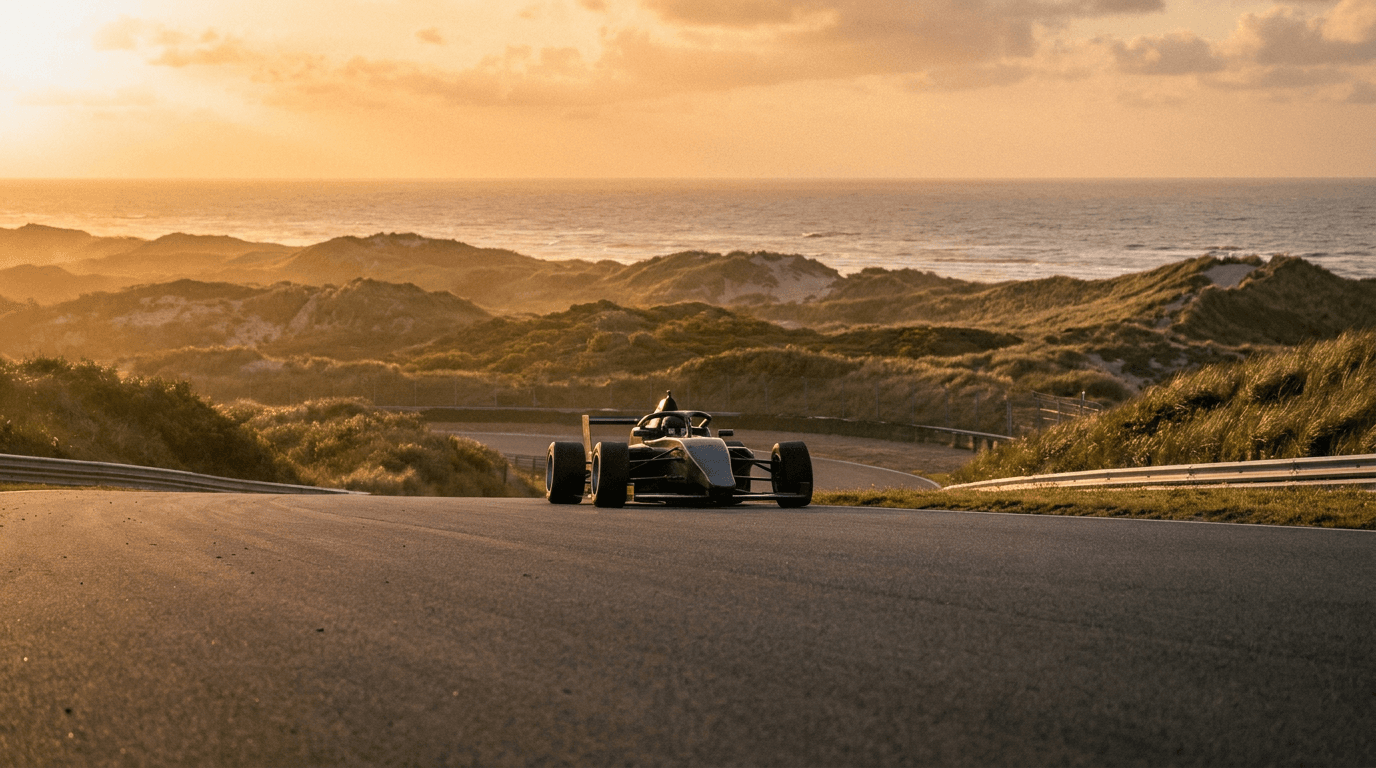
Circuit Zandvoort is the Netherlands' Formula 1 home and one of the most atmospheric venues on the calendar. The 4.26km circuit sits in the North Sea dunes near Haarlem (30 minutes from Amsterdam) and hosts the Dutch Grand Prix, which returned to F1 in 2021 after a 36-year absence — driven by the Max Verstappen phenomenon. The track is famous for its dramatic banked corners (the Hugenholtzbocht and the banked final Arie Luyendyk corner, which allow flat-out commitment) and the extraordinary atmosphere of the "Orange Army" — tens of thousands of Verstappen fans in orange, flares, and festival energy. The dune setting and the train-accessible location (trains run direct to Zandvoort station) make it one of the easiest GPs to attend. The honest note: the 2026 Dutch GP is reportedly the last under the current contract — confirm the future calendar. Book a year ahead.

TT Circuit Assen — Cathedral of Speed

TT Circuit Assen (in Drenthe, the northern Netherlands) is one of motorcycle racing's most revered venues — known worldwide as the "Cathedral of Speed." It's the only circuit to have hosted a motorcycle Grand Prix every year since the championship began in 1949, making the Dutch TT the spiritual home of MotoGP. The flowing 4.5km layout (redesigned but retaining its fast, sweeping character) is beloved by riders for its rhythm and grip. The Dutch TT weekend (late June) is a national celebration — "TT Festival" transforms the town of Assen into a week-long party with 100,000+ fans. Beyond MotoGP, the circuit hosts World Superbikes, DTM, and extensive track-day and racing-school programs. For any motorcycle enthusiast, Assen is a genuine pilgrimage. Tickets via the official circuit channels; the June TT books out far ahead.

Afsluitdijk and Polder Dike-Road Driving

The Netherlands offers a driving experience found nowhere else — engineered water-management landscapes. The Afsluitdijk is the centrepiece: a 32km causeway built 1927-1932 across the former Zuiderzee, connecting North Holland to Friesland with the North Sea on one side and the freshwater IJsselmeer on the other. Driving it is a surreal, dead-straight run across open water with a monument and viewpoint at the midpoint. Beyond it, the Dutch polder and dike-road network delivers uniquely flat, geometric driving: dead-straight roads atop dikes, windmill-lined canals, and reclaimed-land grids (the Noordoostpolder and Flevoland, the world's largest artificial island). The Delta Works in Zeeland (the storm-surge barriers in the southwest) add another engineered-driving landscape. The honest framing: this isn't performance driving — it's calm, scenic, and distinctly Dutch. Watch for strong crosswinds on exposed dikes. Best driven April-October.

DAF Museum and Dutch Automotive Heritage

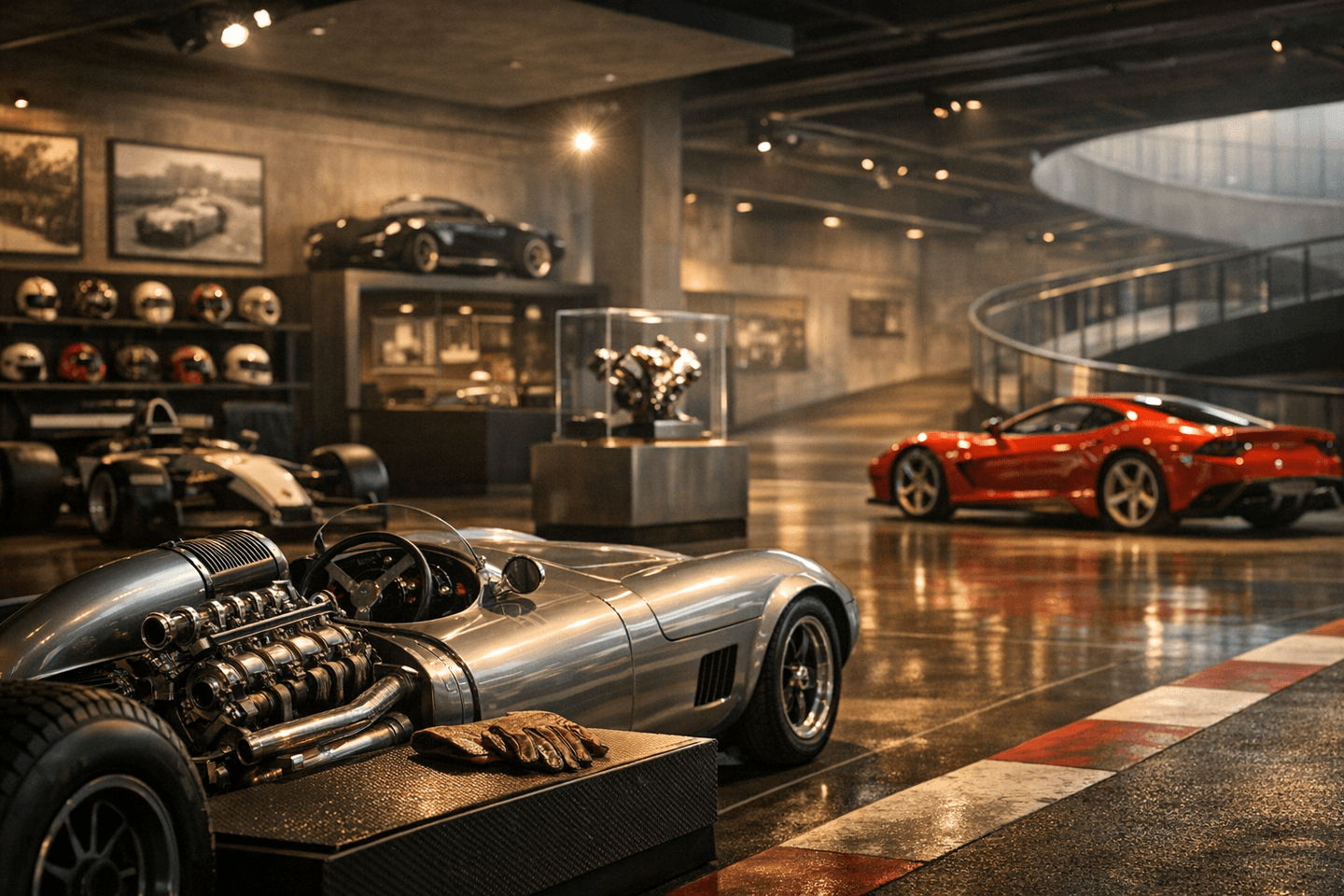
The Netherlands has a genuine if modest automotive manufacturing heritage. The DAF Museum (in Eindhoven, the country's industrial heart) tells the story of DAF — the Dutch manufacturer founded in 1928 that pioneered the Variomatic continuously variable transmission (the world's first practical CVT, 1958) and built distinctive small cars (the DAF 600, 33, 44, and 66) before the car division was absorbed by Volvo. DAF remains a major truck manufacturer today. Plus the legacy of Spyker — the historic Dutch luxury and racing marque (founded 1880, revived in the 2000s) that briefly owned the Saab brand and ran an F1 team. Plus the Louwman Museum in The Hague, one of the world's oldest and finest private car collections (250+ vehicles including the oldest surviving car and a deep pre-war collection). Genuine automotive heritage depth for a country better known for bicycles.

Frequently Asked Questions

Common questions about visiting Netherlands for motorsport

Depends on your licence. EU/EEA licences are fully recognised — no IDP needed. US, Canadian, Australian, and UK licences are accepted for tourist driving up to 185 days without an IDP. If your licence isn't in Latin script, you need an IDP or certified translation. The Netherlands drives on the RIGHT. It's part of the Schengen Area — cross-border driving to Belgium and Germany is completely seamless. Standard EU driving documentation applies.

Stay Updated on Netherlands Events

Get notified when new events and experiences are added. Be the first to know about ticket releases and special offers.

No spam, unsubscribe anytime. We respect your privacy.