Le Mans isn't just a circuit visit — it's a city that turns into one. During the 24 Hours, the entire town shifts around the race. Trams run extended hours, downtown bars fill with international enthusiasts, the village goes up in the days before, and the 13.6km Circuit de la Sarthe blends public roads (Mulsanne, Indianapolis, Arnage) with permanent circuit sections. Base in central Le Mans, use the trams and shuttles to move between the city and the circuit, and treat the surrounding area as a landscape to pace rather than a single venue. Outside race week, the Musée des 24 Heures keeps the heritage available year-round.
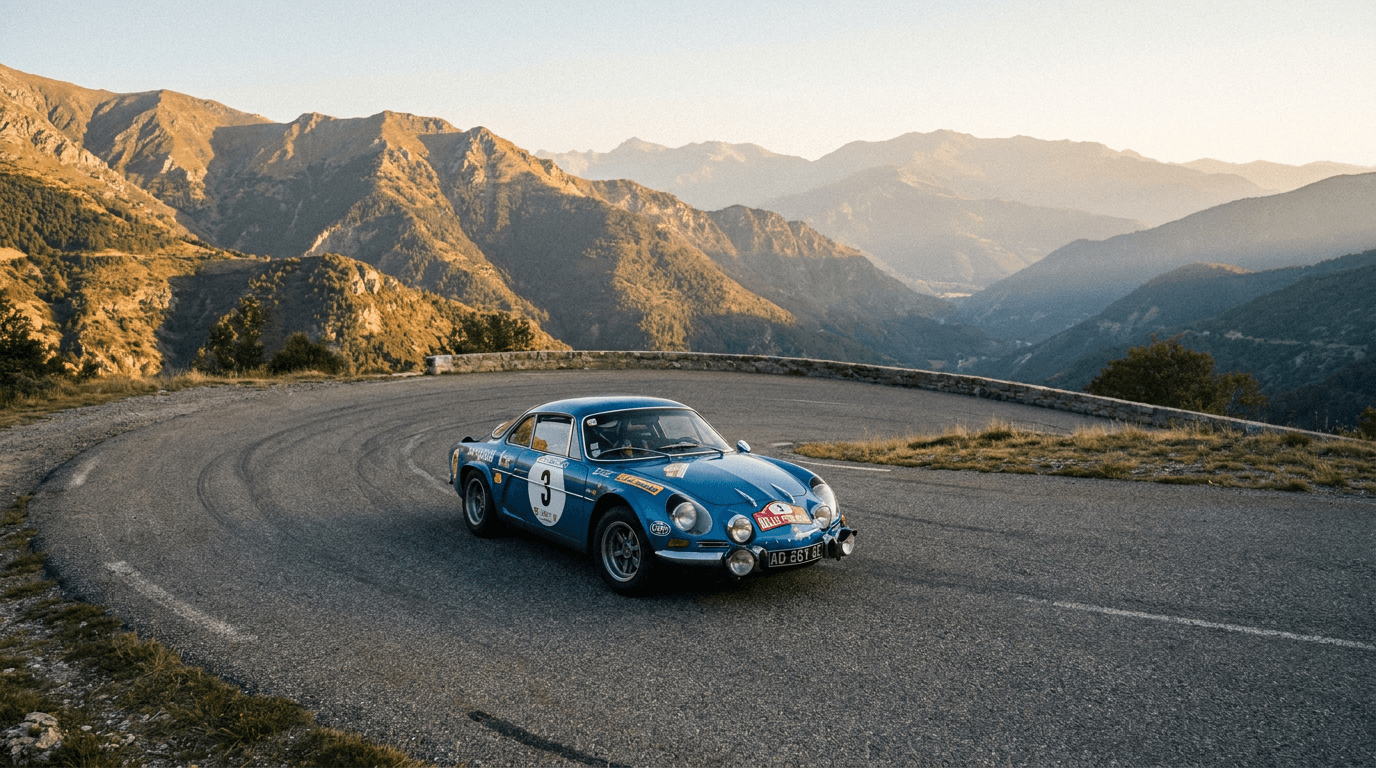
Col de Turini sits in the Maritime Alps north of Nice, and it's been a Monte Carlo Rally stage so often that the road itself carries the history. Tight hairpins, forest sections, gradient changes, and a night-rally legend that turns it into pilgrimage for rally fans. The wider region — Col de la Couillole, Col de la Lombarde, Col d'Allos — is part of the same story. Drive it on a clear weekday in spring or autumn, avoid weekends when local traffic and cyclists pack the roads, and remember why these passes earned their reputations in the first place.
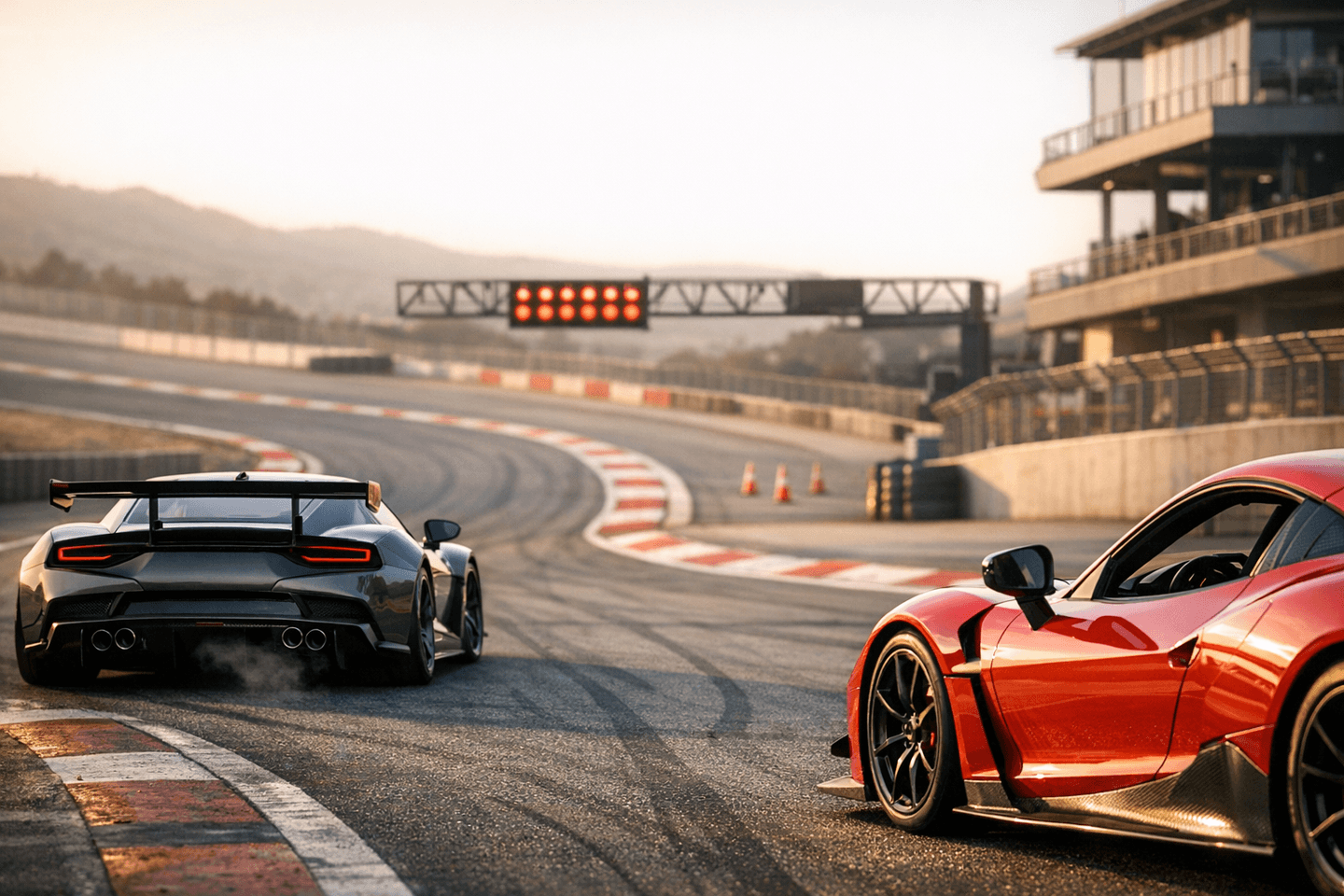
France's southern motorsport landmark, sitting on a plateau above the Mediterranean coast at Le Castellet. The circuit has hosted the French Grand Prix in multiple eras, runs major endurance events and serious open track days, and is unmistakable from the air thanks to the painted run-off zones designed to bleed off speed without barriers. Combined with the Provence location, it sits naturally alongside a Côte d'Azur or Marseille trip — circuit visits and Mediterranean touring in the same itinerary.
The Riviera coast from Saint-Tropez to Menton, with the three Corniches — Grande, Moyenne, Basse — running parallel along the cliffs above Monaco. The Moyenne is the famous one, the road of Cary Grant and Grace Kelly in To Catch a Thief. Real scenery, real driving roads when the traffic allows. The honest caveat: the towns themselves are stressful to drive in — Nice, Cannes, and Monaco all have terrible parking and dense city traffic. Drive the coast between the towns, park on the edges, and explore the centres on foot.
France produced some of the most distinctive car design of the 20th century. Citroën's hydropneumatic DS and SM. Peugeot's rally-spec 205 GTI and 405 T16. Renault's Alpine sports cars, the Clio Williams, the Mégane R26.R. Bugatti's pre-war coachbuilt era and the modern Veyron/Chiron at Molsheim. Even the everyday cars carry a kind of design eccentricity you don't find anywhere else. French automotive heritage isn't just a museum subject — you'll see it in the cars on the road, especially in smaller towns where 80s and 90s Peugeots, Renaults, and Citroëns still serve as daily transport.
France hosts what's widely considered the world's largest car museum — the Cité de l'Automobile in Mulhouse, built around the Schlumpf brothers' extraordinary Bugatti collection. Beyond that, the Matra museum in Romorantin covers French motorsport innovation, manufacturer collections sit in or near Paris, and regional museums across the country fill in specific marques and eras. For a country with such broad automotive heritage, the museum landscape is more concentrated and more visitable than most travellers expect. Worth building a day or two around if you're serious about French automotive history.