South Korea automotive destination
South KoreaAsia

Discover South Korea's Automotive Experiences

From the Korea International Circuit at Yeongam and Inje Speedium to the Hyundai-Kia heritage, South Korea is one of Asia's most underrated motorsport nations.

2

Events

85

Experiences

6

Featured cities

Overview

South Korea is one of the world's most rapidly maturing automotive cultures — a country that's spent the last decade rewriting how the world thinks about Korean cars. Hyundai's N performance division, launched in 2015, has built a genuine reputation for hot hatches and performance cars that compete directly with European brands — the i30 N, the i20 N, and now the Ioniq 5 N have given Korea a foothold in enthusiast culture that didn't exist before. Genesis has built itself into a serious luxury alternative to BMW and Mercedes in remarkably short time. And Kia, long dismissed as the budget option, now produces cars like the EV6 GT that are taken seriously by people who'd never have considered Korean cars 15 years ago.

The motorsport infrastructure has matured alongside the brands. The Korea International Circuit hosted F1 from 2010 to 2013 and continues as a major regional venue. Hyundai Motorsport now competes successfully in WRC. And Seoul's modified import community runs strong on German performance cars and JDM imports, with highly modified Hyundai Genesis Coupés and Kia Stingers as the local performance heroes.

The driving country is where most enthusiasts don't expect Korea to deliver. The roads through Seoraksan National Park, the coastal route around the eastern coast from Sokcho down to Pohang, and the volcanic roads of Jeju Island make Korea one of Asia's most underrated car destinations.

Why Visit South Korea

What makes South Korea a must-visit destination for motorsport and automotive enthusiasts

Inje Speedium

South Korea's premier enthusiast circuit, in Gangwon Province about two hours northeast of Seoul. 3.9km layout designed to challenge serious drivers, with significant elevation changes through the mountain setting. The site combines the circuit with a hotel and condominium accommodation, making it one of the few Korean motorsport venues built as a complete destination rather than just a track. It hosts Korean Super Race Championship rounds, club track days, and serious open lapping. For visitors building a motorsport-focused Korea trip, Inje is the obvious anchor — and the surrounding Gangwon mountain region adds genuinely good driving roads on the approach and departure.

Korean Super Race and Domestic Motorsport

South Korea's domestic motorsport scene is smaller than Japan's but more developed than most visitors expect. The Korean Super Race Championship — the country's top touring car series — runs at Inje Speedium, Korea International Circuit (formerly Yeongam, host of the 2010-2013 Korean GP), and other domestic venues. Hyundai-Kia factory teams compete alongside privateers in classes ranging from Super 6000 (V8 silhouette cars) down to production-based GT and touring categories. Race calendars typically run March through October. A weekend at a Super Race round gives international visitors a side of Korean automotive culture that doesn't appear in the standard tourist itinerary.

Hyundai and Kia Manufacturer Heritage

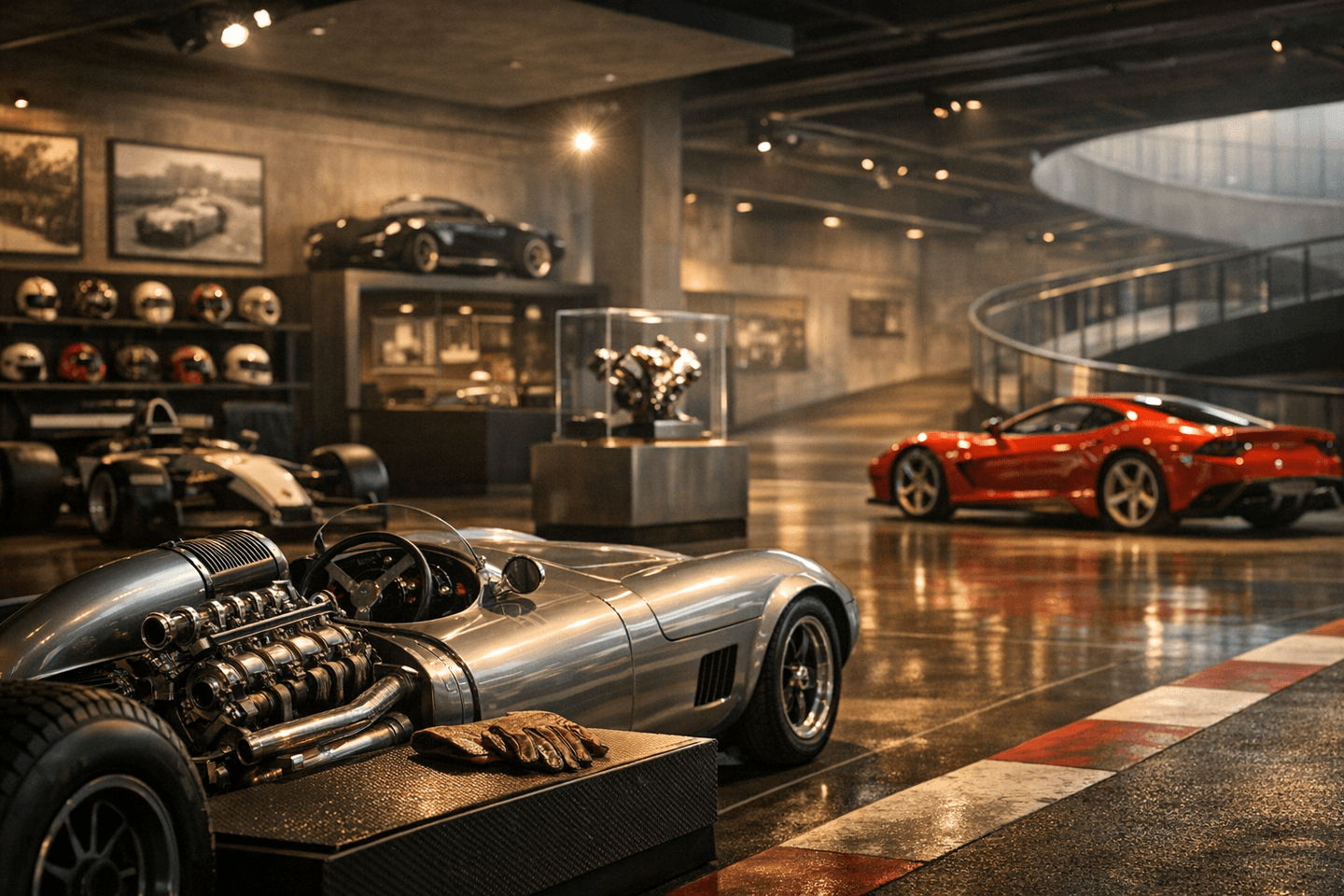
Two generations ago, Korean cars were budget options for buyers who couldn't afford Japanese. Today, Hyundai Motor Group is the third-largest car maker in the world, Kia is producing some of the best-designed mass-market cars on the road, and Genesis competes credibly with German luxury. The transformation is one of the great industrial stories of the modern era. The Hyundai Motorstudio in Goyang (just outside Seoul) is the flagship brand experience centre. The Hyundai Motor Group's design centres, the Namyang R&D facility (largely closed to public but visible from outside), and the broader Ulsan industrial complex anchor the heritage story for visitors interested in how Korea became a global automotive power.

Korean Tuning and Modified Car Culture

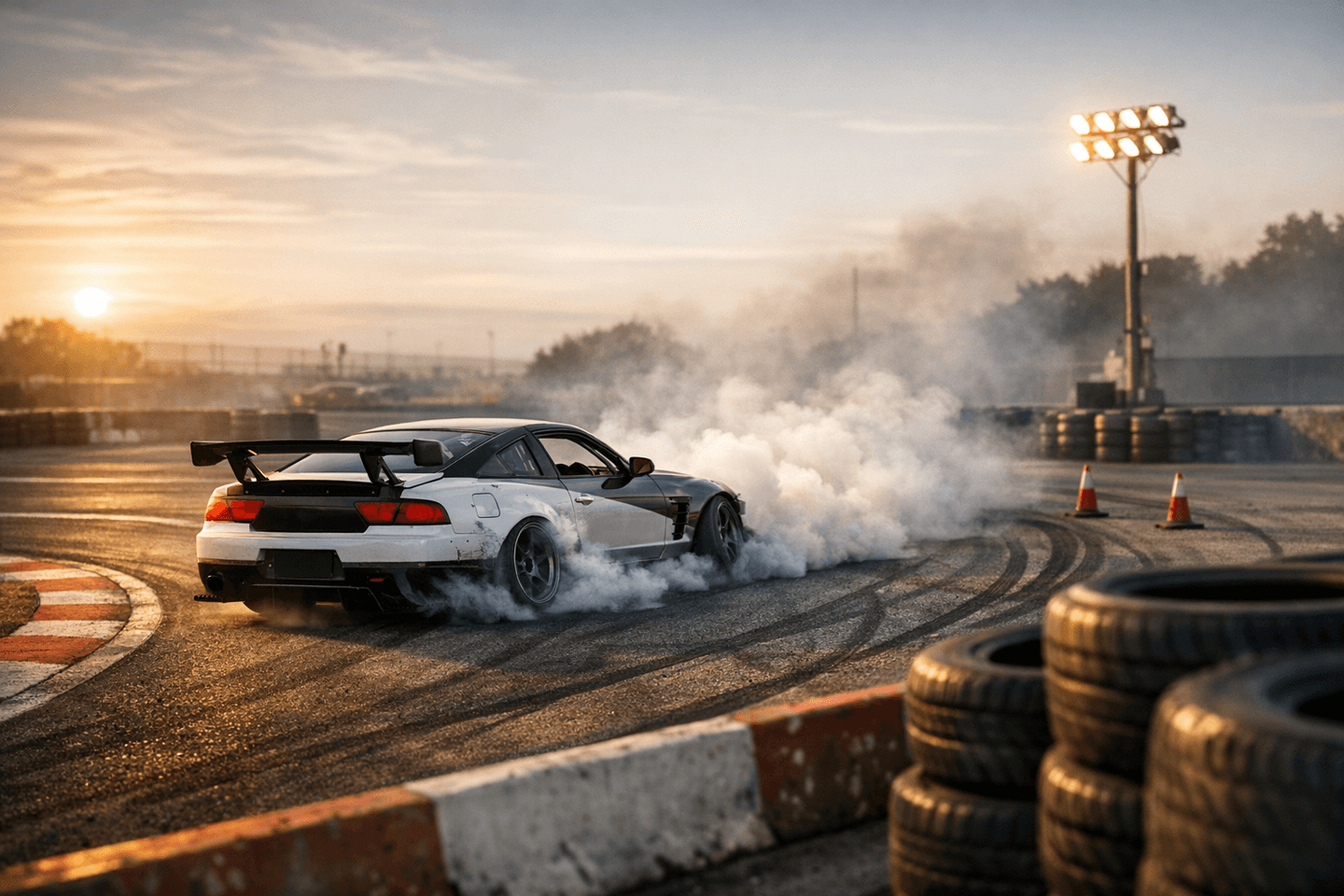
Korea's tuning scene operates under tighter regulation than Japan's — modifications affecting emissions, noise, or safety equipment can fail annual inspection, and police occasionally enforce visible modifications more strictly than in neighbouring countries. What's emerged is a quieter, more focused scene: Genesis-based modified builds, JDM and USDM imports, drift culture around Inje and the smaller circuits, and a serious wheels-and-coilovers aesthetic culture in Seoul's enthusiast hubs. The scene is less visible than Japan's but real — show up at weekend meets in Yangpyeong or the hills outside Seoul and you'll see what serious Korean modified culture actually looks like.

Frequently Asked Questions

Common questions about visiting South Korea for motorsport

Yes. Foreign visitors need a valid home-country licence plus an International Driving Permit issued under the 1949 Geneva Convention. Korea accepts both 1949 Geneva and 1968 Vienna Convention IDPs from member countries, but the Geneva format is the safer default. The IDP must be issued before you travel — you can't get one in Korea. Most rental companies will check both your home licence and your IDP at pickup. Bring both, plus your passport. Korean police enforce documentation requirements at routine checkpoints, so carry both whenever you're driving.

Stay Updated on South Korea Events

Get notified when new events and experiences are added. Be the first to know about ticket releases and special offers.

No spam, unsubscribe anytime. We respect your privacy.