Open-Wheel Racing
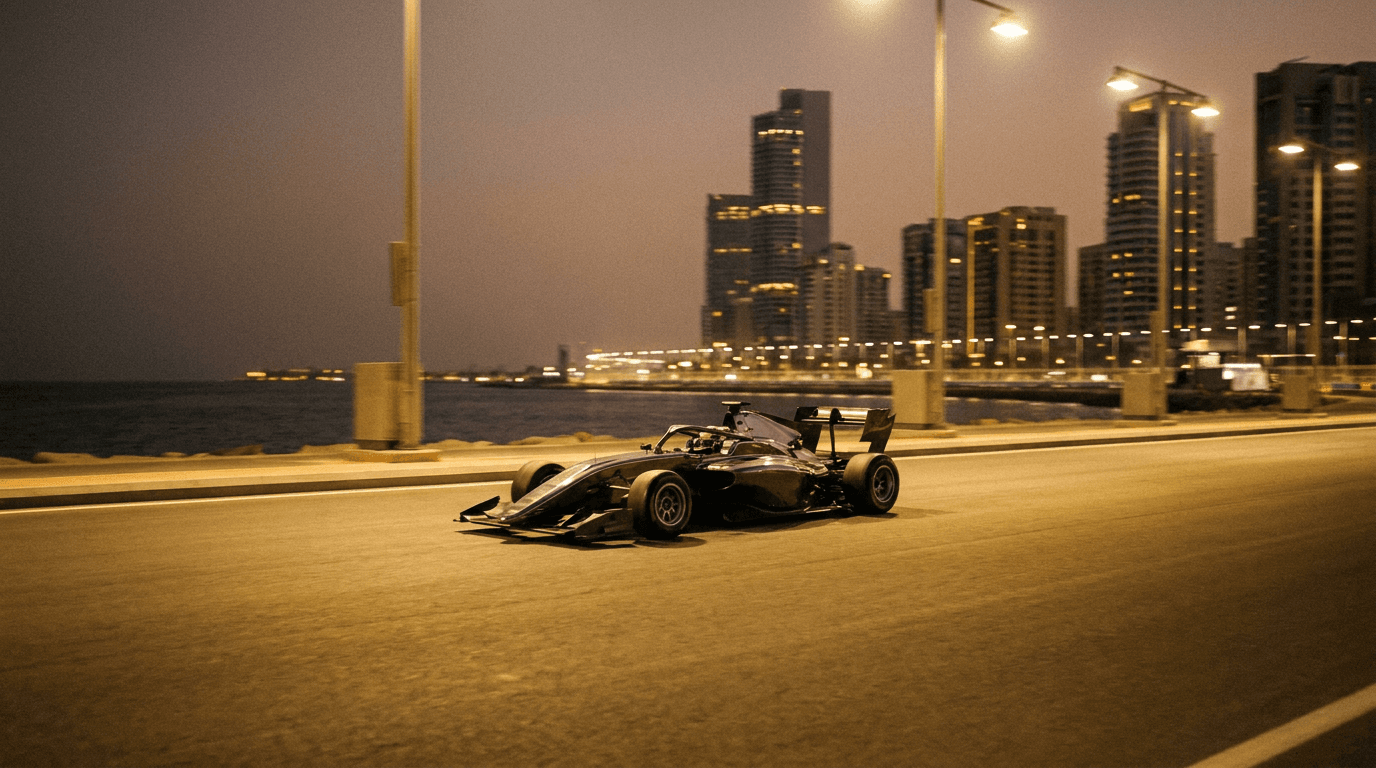
From the Jeddah Corniche Circuit and the Dakar Rally heritage to the AlUla and Empty Quarter driving routes, Saudi Arabia is the Gulf's fastest-growing automotive destination.
2
Events
53
Experiences
6
Featured cities
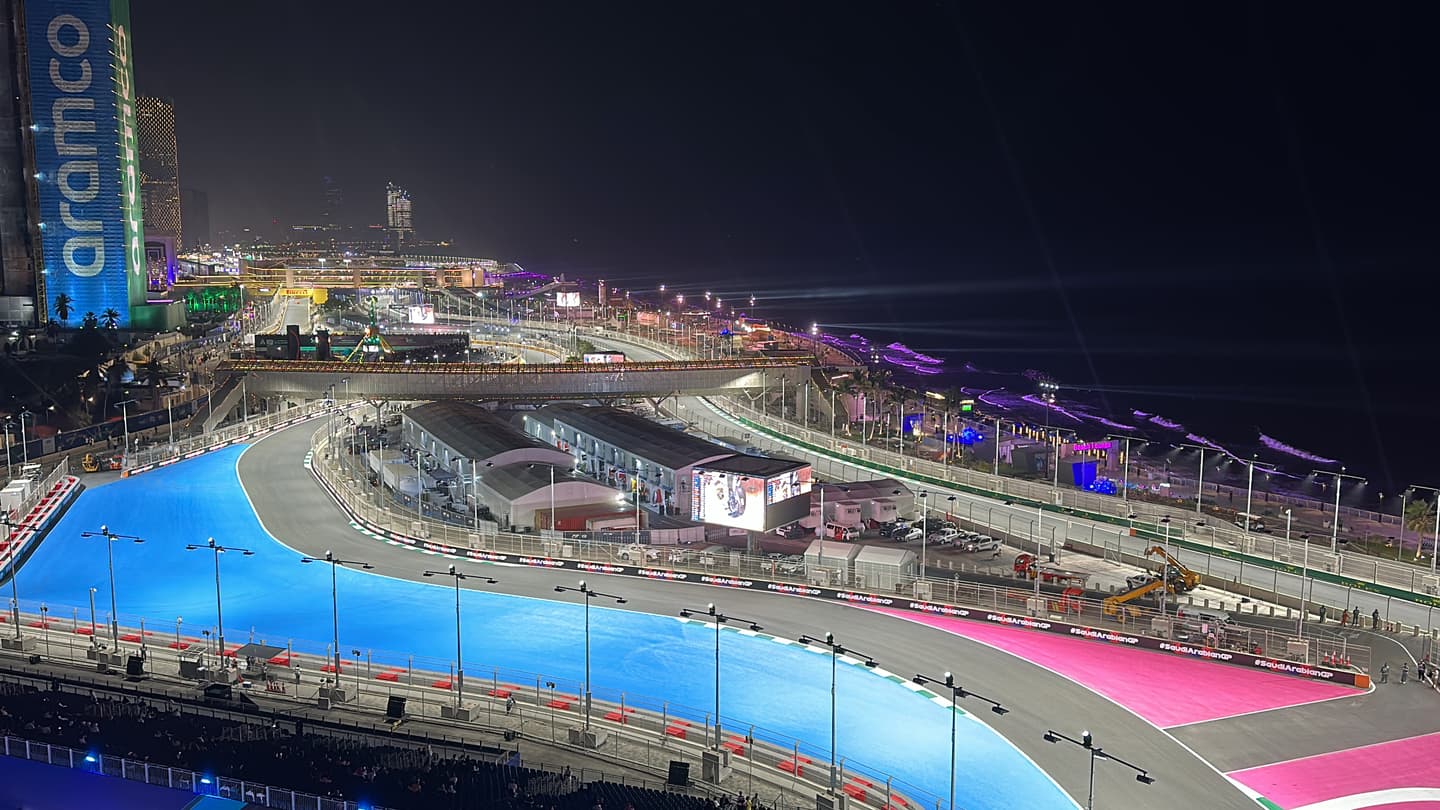
Saudi Arabia is one of the most aggressive motorsport newcomers on the global calendar — a country that's spent the last five years building itself into a serious destination from almost nothing. The Jeddah Corniche Circuit, hosting the Saudi Arabian Grand Prix since 2021, is the fastest street circuit in F1 — high-walled, blind-cornered, lit up at night against the Red Sea. The Dakar Rally has been based in Saudi since 2020, with the AlUla and Empty Quarter stages producing some of the most cinematic motorsport footage on earth. And Rally Saudi Arabia debuted on the WRC calendar in 2025 as the season finale.
The wider scene reflects the speed of the shift. Riyadh and Jeddah have built serious supercar communities in a few short years, with Bugattis, Koenigseggs, and limited-run hypercars appearing in numbers you wouldn't have predicted a decade ago. Drift culture is significant. The Saudi Motorsport Company is investing heavily in driver development, and motorsport tourism is now a real category. The road from Jeddah down the coast to Yanbu, the route inland to AlUla, and the climb into the Asir Mountains are drives that didn't exist as tourism five years ago.
Showing 2 upcoming motorsport events in Saudi Arabia.
Showing 24 automotive experiences in Saudi Arabia.
Where to go
Start with these Saudi Arabia hubs for motorsport events, museums, circuits, and driving experiences.

Saudi Arabia
Saudi Arabia
Saudi Arabia
Saudi Arabia
Saudi Arabia
Saudi Arabia
What makes Saudi Arabia a must-visit destination for motorsport and automotive enthusiasts
Saudi Arabia's F1 round is one of the modern calendar's most distinctive races. The Jeddah Corniche Circuit — a 6.174km street circuit built along the Red Sea waterfront in 2021 — is the second-longest layout on the F1 calendar after Spa-Francorchamps, and one of the fastest at average lap speeds of 250km/h+. The race runs at night under floodlights. The 27-corner layout is dominated by long flowing sections with limited overtaking but high commitment — the Turn 22-23 wall passes have created some of the most spectacular near-misses in recent F1. Run in March as either round 2 or 3 of the season. Beyond the race, the Saudi Motorsport Company also hosts the Jeddah E-Prix and supporting WRC service operations — the circuit anchors the country's modern motorsport identity.
The Jeddah Corniche Circuit is Saudi Arabia's motorsport landmark — a 6.17km street circuit along the Red Sea waterfront, the second-fastest and one of the longest tracks on the F1 calendar. It hosts the Saudi Arabian Grand Prix, a spectacular floodlit night race known for high average speeds, 27 corners, and walls right at the track edge. The atmosphere is a modern mega-event: fan zones, headline concerts, and full festival programming rather than a historic European pilgrimage. The same circuit hosts the Jeddah E-Prix (Formula E night double-header) with its own fan festival and simulator zones. The honest framing: expect serious walking (attendees report 20,000-32,000 steps/day), plan your transport around heavy event traffic, and dress modestly. Combine the race with Al Balad (Old Jeddah, a UNESCO heritage district) for a complete weekend. The Saudi GP usually runs in spring — confirm the current calendar.
Saudi Arabia has hosted the Dakar Rally since 2020, after the event moved from South America. The world's most demanding rally-raid — typically a 14-day, 8,000km+ event in early January — runs through the country's most varied terrain: the Empty Quarter (Rub' al Khali) dunes, the rocky Hijaz mountains, the gravel plains around Al-Ula and Hail, the Najd plateau, and Red Sea coastal sections. The Saudi route changes annually but typically loops between Yanbu, AlUla, Hail, Riyadh, and Bisha. Spectator access at the bivouacs and stage starts is genuinely possible (more open than European events). The Dakar Classic (running alongside for pre-2000 vehicles) attracts vintage entries. Saudi Arabia is now Dakar's spiritual home — the country's expedition-driving identity is built on this event.
Saudi Arabia is now the spiritual home of the Dakar Rally — the world's toughest off-road endurance event, which relocated to the Kingdom in 2020 and runs every January. Dakar uses Saudi Arabia's full terrain arsenal: the towering dunes of the Empty Quarter, rocky mountain passes, dry riverbeds, canyon stages, and vast open desert across a 2-week, 7,500km+ marathon. The event covers cars, bikes, trucks, quads, and the lightweight SSV class, with works teams from Audi, Toyota, and Ford battling alongside privateers. For spectators, the bivouac culture and stage-access logistics are part of the experience. Dakar gives Saudi Arabia a genuine global endurance-motorsport identity built on navigation, heat, mechanical resilience, and the romance of crossing the desert against the clock. The January date also coincides with the coolest, most accessible desert-travel season.
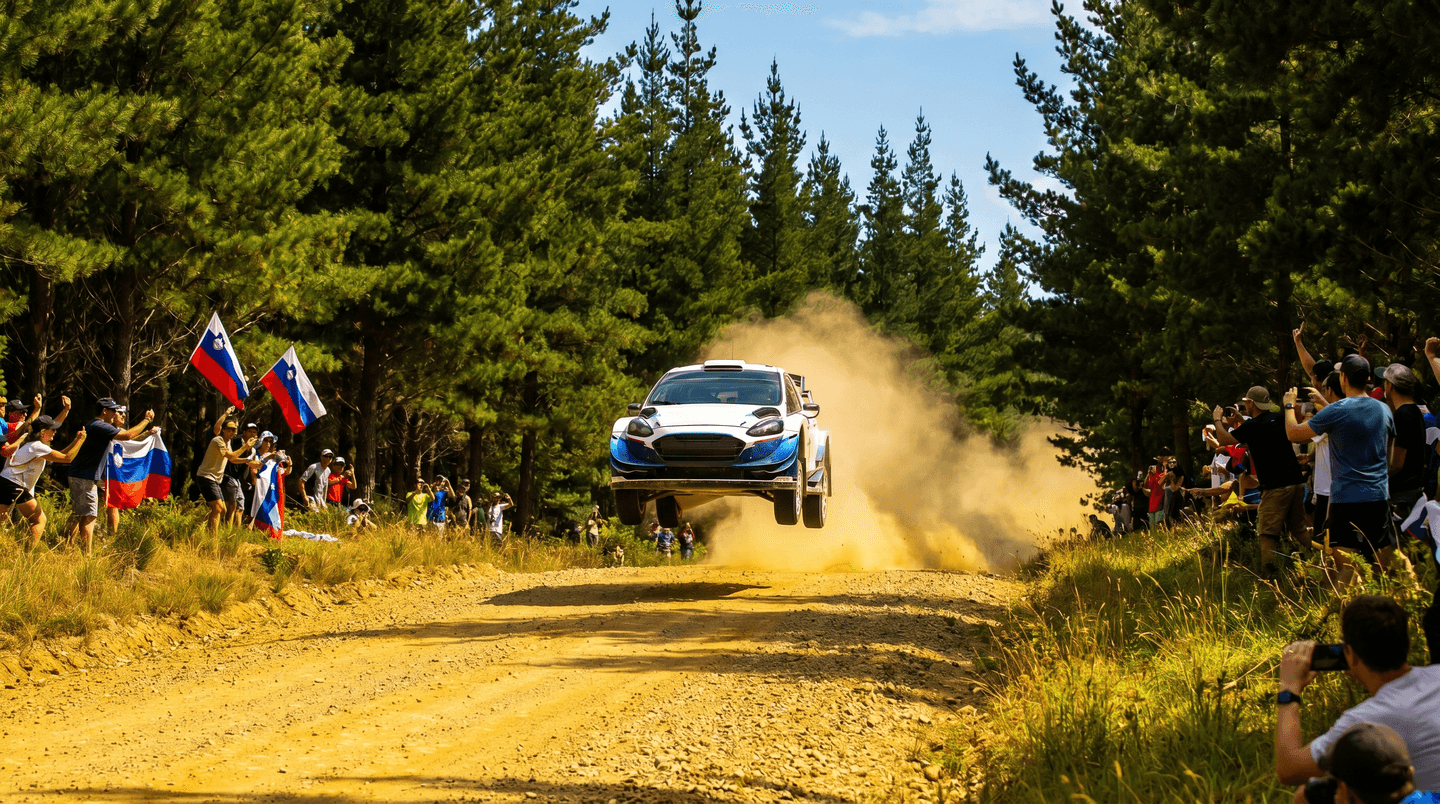
Saudi Arabia joined the WRC calendar in 2025 as the season finale — Rally Saudi Arabia, run on gravel and tarmac stages around Jeddah and the Hijaz Mountains. The terrain is distinct from any other WRC round: rocky volcanic beds, fast gravel desert roads, mountain climbs into the western escarpment, dune-edge stages, and Red Sea coastal sections. Hosted as the championship-deciding round in late November-December, when temperatures are manageable. Service park at the Jeddah Corniche infrastructure. Combined with the Saudi Arabian Grand Prix (March) and Dakar (January), Saudi Arabia now hosts three of the world's premier motorsport events within twelve months — the most concentrated international motorsport calendar in the Middle East after Abu Dhabi.
Rally Saudi Arabia brought the FIA World Rally Championship to the Kingdom for the first time in 2025, debuting as the WRC season finale. Based near Jeddah, the rally runs across genuinely distinctive terrain: fast gravel roads, volcanic rock beds (the harrat lava fields), desert dune sections, steep mountain climbs, and Red Sea coastal stages — a mix found nowhere else on the WRC calendar. The event positions Saudi Arabia as a serious rally destination where the landscape itself is the headline, linking professional motorsport to the same desert-and-mountain terrain that visitors associate with road trips and 4x4 travel. For rally fans, it adds a third major motorsport pillar alongside the Jeddah GP and Dakar. Held late in the year — confirm the current WRC calendar and spectator-access details before planning, as the event is still establishing its stage infrastructure.
Saudi Arabia's western escarpment delivers the country's most rewarding mountain driving. The Highway 15 from Taif (the historic summer retreat at 1,879m elevation) descends the dramatic Al Hada road — a series of tight switchbacks dropping 1,500m to the Tihama coastal plain (one of the steepest paved roads on the Arabian Peninsula). From Taif, the south-bound highway 15 climbs through Al Baha (where the Akabat Bin Hassan road descends the cliff in a famous engineering switchback section), Bisha, and on to Abha (the Asir region's highland capital at 2,200m). The full Taif-Abha drive covers 1,100km and takes 3-4 days with stops. Mountain temperatures stay 15-25°C even when Jeddah is 40°C+. Genuinely beautiful and largely unknown internationally. Best driven October-April.
Saudi Arabia's southwest shatters the all-desert stereotype with genuine mountain-road driving. The classic route climbs from Taif (the summer-capital hill town near Mecca) up the Al Hada escarpment — a dramatic switchback road with sweeping views, a cable car alongside, and a sharp transition from lowland heat to cool highland air. Continuing south through Al Baha and the Asir region, the road reaches Abha (2,200m, the high-altitude capital of Asir province) with its cool climate, juniper forests, and the Soudah peaks (the country's highest, ~3,000m). The whole corridor is a driving playground: elevation, switchbacks, mountain villages, and scenery utterly unlike Riyadh or the Empty Quarter. The honest framing: distances are long, so many travellers fly into or out of Abha to avoid repetitive 900-1,000km return drives. Best driven in the cooler months. A genuine counterpoint to Saudi's desert image.
Saudi Arabia delivers some of the world's most serious self-drive desert experiences. The Empty Quarter (Rub' al Khali) covers 650,000km² — the world's largest sand desert — with dunes reaching 300m at the Liwa Crescent. Proper expedition gear, convoy travel, GPS, satellite phones, and Toyota Land Cruiser 76/79 Series with sand tyres are mandatory. Closer to Riyadh, the Edge of the World (Jebel Fihrayn, 90km northwest of the capital) offers the country's most accessible 4x4 day trip — a 300m cliff edge over the desert floor, reachable via mostly-paved roads then 5km of off-road approach. Plus the AlUla and Hegra desert sites (the country's premier archaeological region) with paved access and stunning sandstone formations. Local operators in Riyadh and Jeddah run guided expeditions; serious self-drive only for experienced overlanders.
The Rub' al Khali (the Empty Quarter) is the world's largest contiguous sand desert — 650,000km² of towering dunes spanning southern Saudi Arabia, one of Earth's last great wildernesses. For serious off-road travellers it's the ultimate expedition: vast dune fields, total remoteness, and the kind of self-reliant Land Cruiser-and-camp desert driving that defines Gulf adventure culture. This is not casual driving — it requires convoy travel (never solo), proper 4x4s with sand tyres and recovery gear, satellite communication, GPS navigation, and genuine desert experience or a professional guide/operator. The dunes near the Oman border and the Liwa-adjacent areas are the classic access points. The honest framing: the Empty Quarter is for prepared, experienced desert drivers only — but for those equipped to take it on, it's among the most extraordinary driving experiences on the planet. Best attempted October-March; summer is lethal.
Saudi Arabia has the Gulf's most distinctive enthusiast scene — deep American muscle car obsession that's been quietly building for 40 years. Restored Mustangs, Camaros, Chevrolet Impalas, Cadillac Eldorados, and square-body Chevy trucks fill private collections across Riyadh and Jeddah. The Global Auto Salon Riyadh (held annually since 2018 at Riyadh Front Exhibition Centre) is described by international auto media as "part SEMA, part Pebble Beach, part Goodwood" — supercars and hypercars sharing space with lowriders, modified American muscle, and Saudi-themed custom builds. Plus weekly "Cars and Qahwa" (coffee) meets across major cities, the Saudi Auto Tuners Show, and an emerging karting development scene at JCC Karting. The Riyadh classic-car community runs private collection tours by appointment.
Saudi Arabia has one of the Gulf's deepest and most distinctive car cultures. The scene is unusually broad: American muscle and classics (the Kingdom has a long love affair with big V8s — Caprices, Crown Victorias, and restored 1970s Detroit metal), alongside Japanese imports, luxury hypercars, custom builds, and serious off-road rigs. Riyadh anchors the scene with weekly cars-and-coffee gatherings, the Global Auto Salon (a major annual show), and a visible classic-collector community. The honest framing for visitors: the scene has historically been informal and is rapidly formalising under the country's motorsport push — events are increasingly open and welcoming to visitors. Dress modestly at meets, and note that while the driving and event culture is opening up, conservative social norms still apply. For enthusiasts, Saudi car culture is a genuine discovery — it ranges from desert-bashing Land Cruisers to climate-controlled hypercar collections, all in one country.
Common questions about visiting Saudi Arabia for motorsport
Yes. Saudi Arabia opened to leisure tourism in 2019 — a major change. Most western nationals (US, UK, EU, Canada, Australia, NZ, Japan) can get a Saudi eVisa online through visa.visitsaudi.com for SAR 535 (~US$140), valid for 90 days stay across multiple entries within one year. The eVisa includes mandatory health insurance. Apply 1-2 weeks before travel. The visa specifically allows tourist activities including driving, attending Formula 1, and visiting all open regions. Mecca and Medina remain restricted to Muslims. Bring physical copies of your visa and home licence to vehicle rental and police checkpoints.
Get notified when new events and experiences are added. Be the first to know about ticket releases and special offers.
No spam, unsubscribe anytime. We respect your privacy.