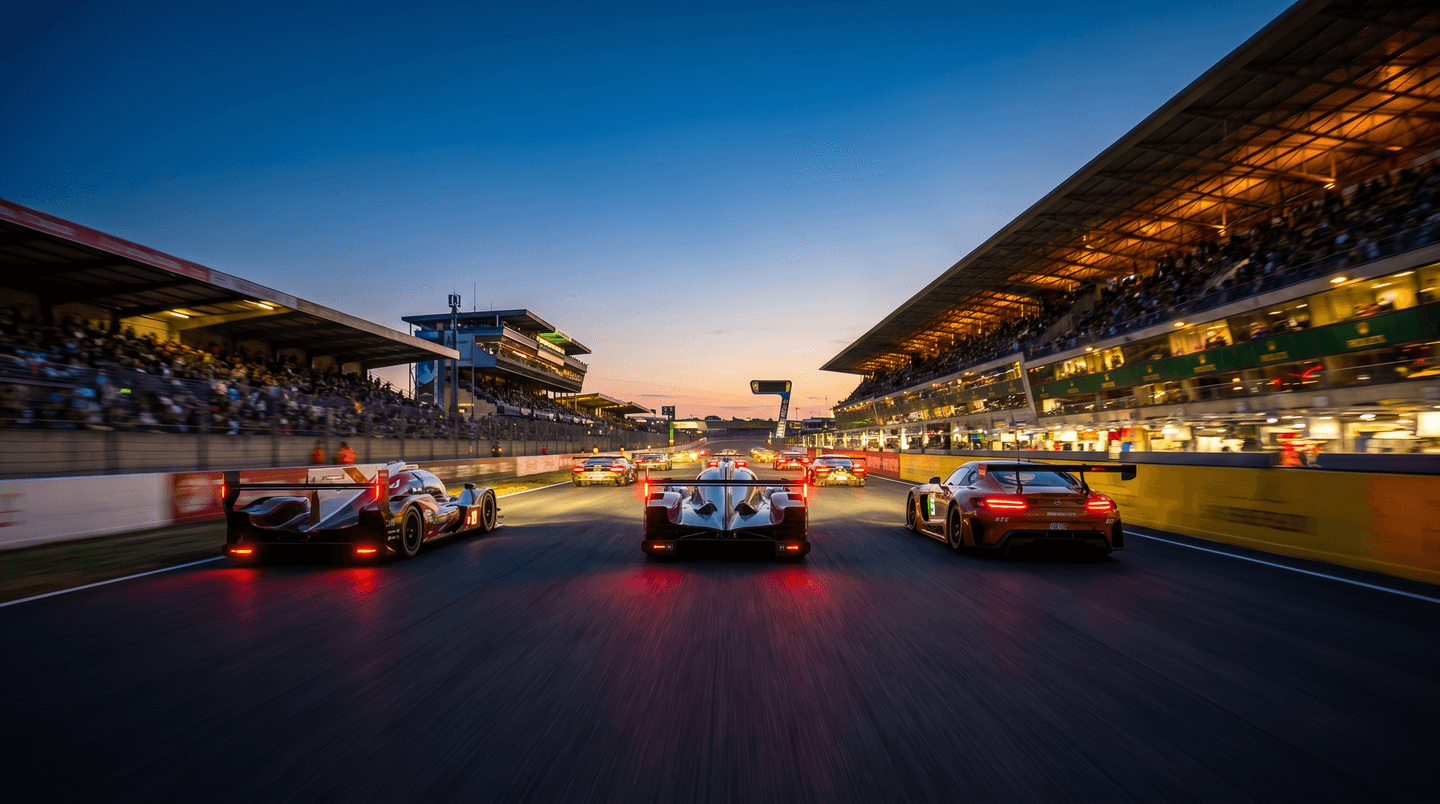
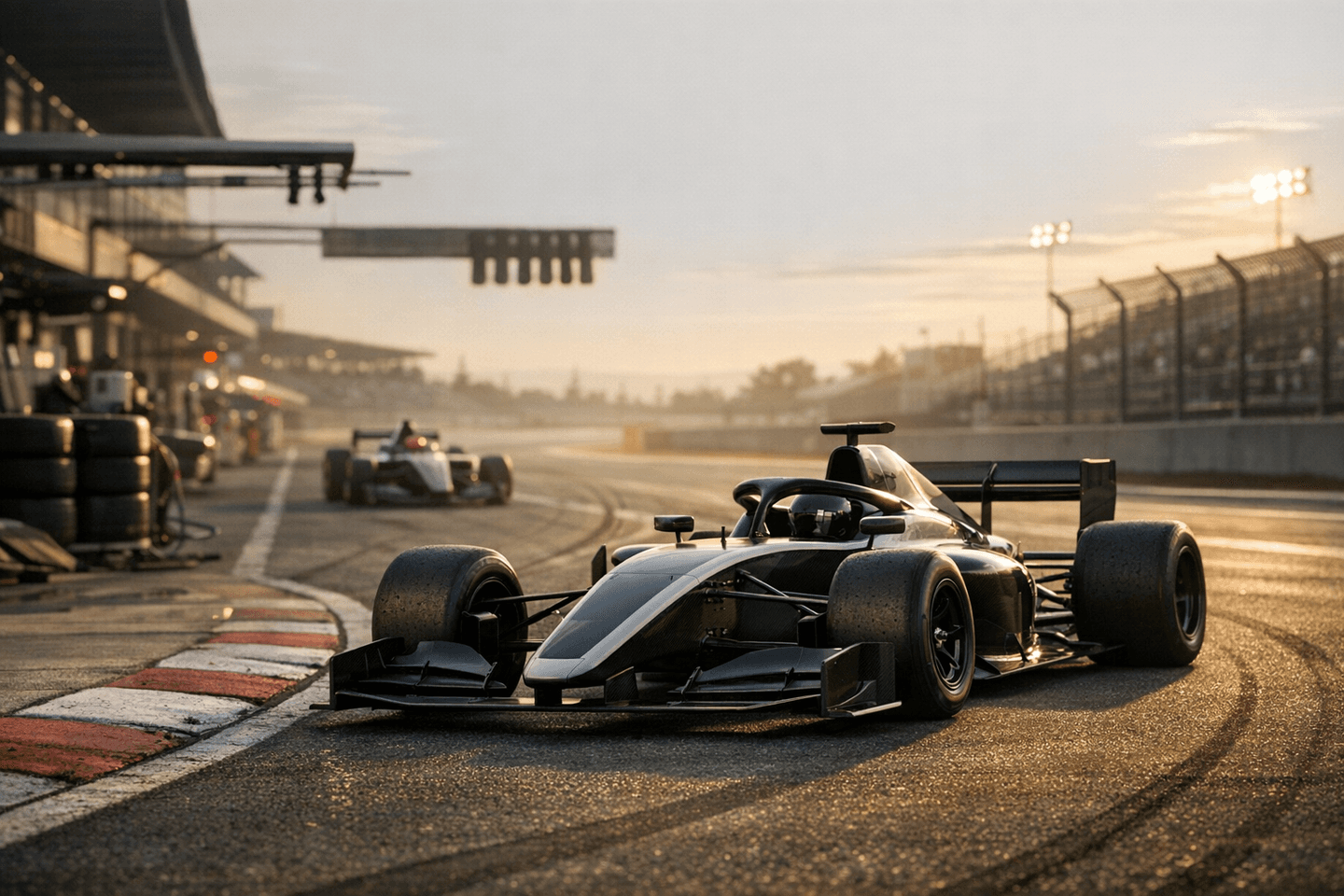
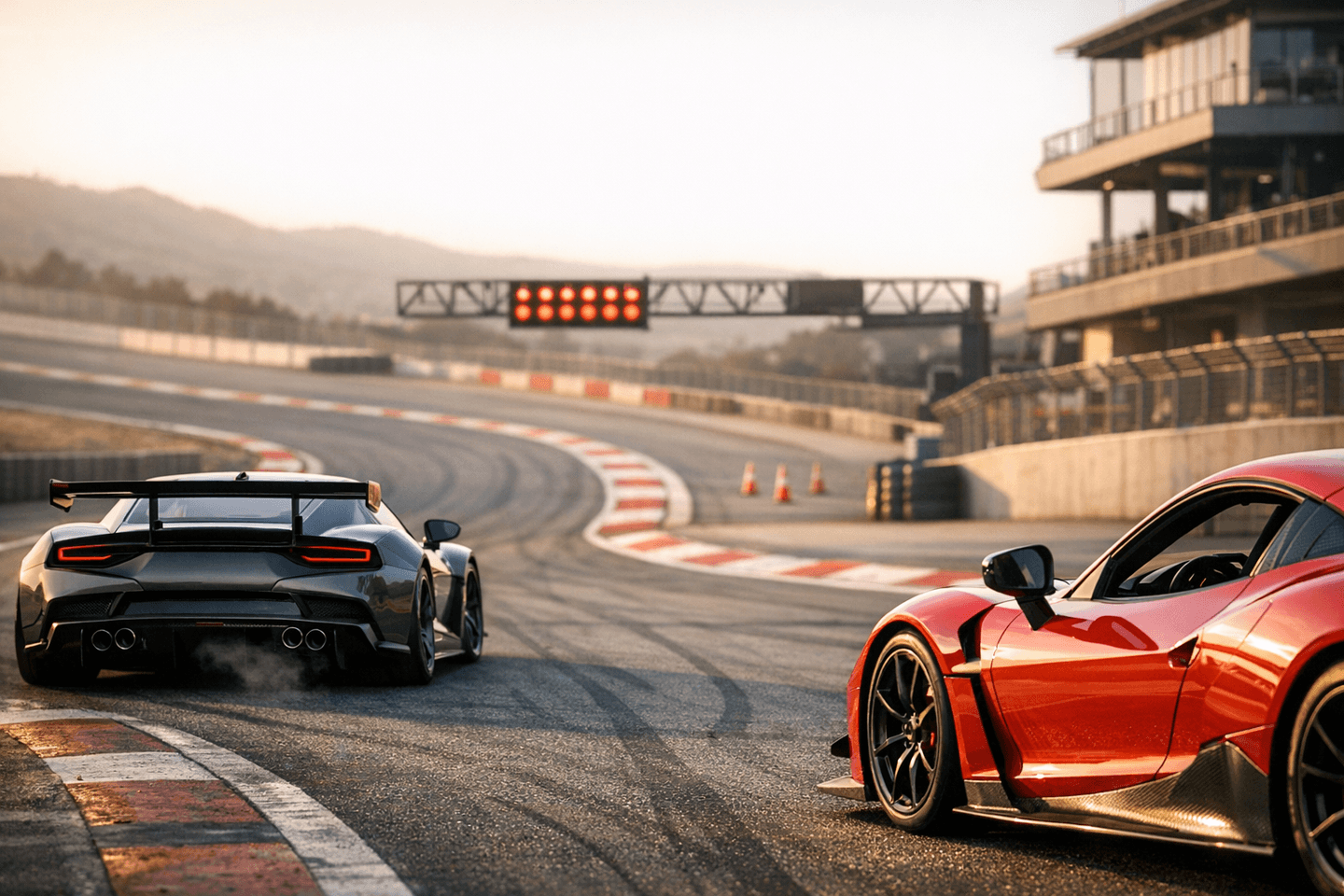
China's motorsport scene has expanded dramatically over the past two decades, anchored by the Shanghai International Circuit (host of the Chinese Grand Prix since 2004) and complemented by a deep domestic calendar — the China Touring Car Championship, Super Formula China rounds, GT Asia, and a growing club racing scene around regional circuits in Zhuhai, Goldenport, and Tianma. Chinese drivers are now competing internationally (Zhou Guanyu's F1 seat being the most visible example), and Chinese manufacturer participation in WEC, Formula E, and rally raid has accelerated. For visitors, this means a genuinely active motorsport calendar — though attending requires careful event-date planning and is largely separate from the Chinese tourism experience.
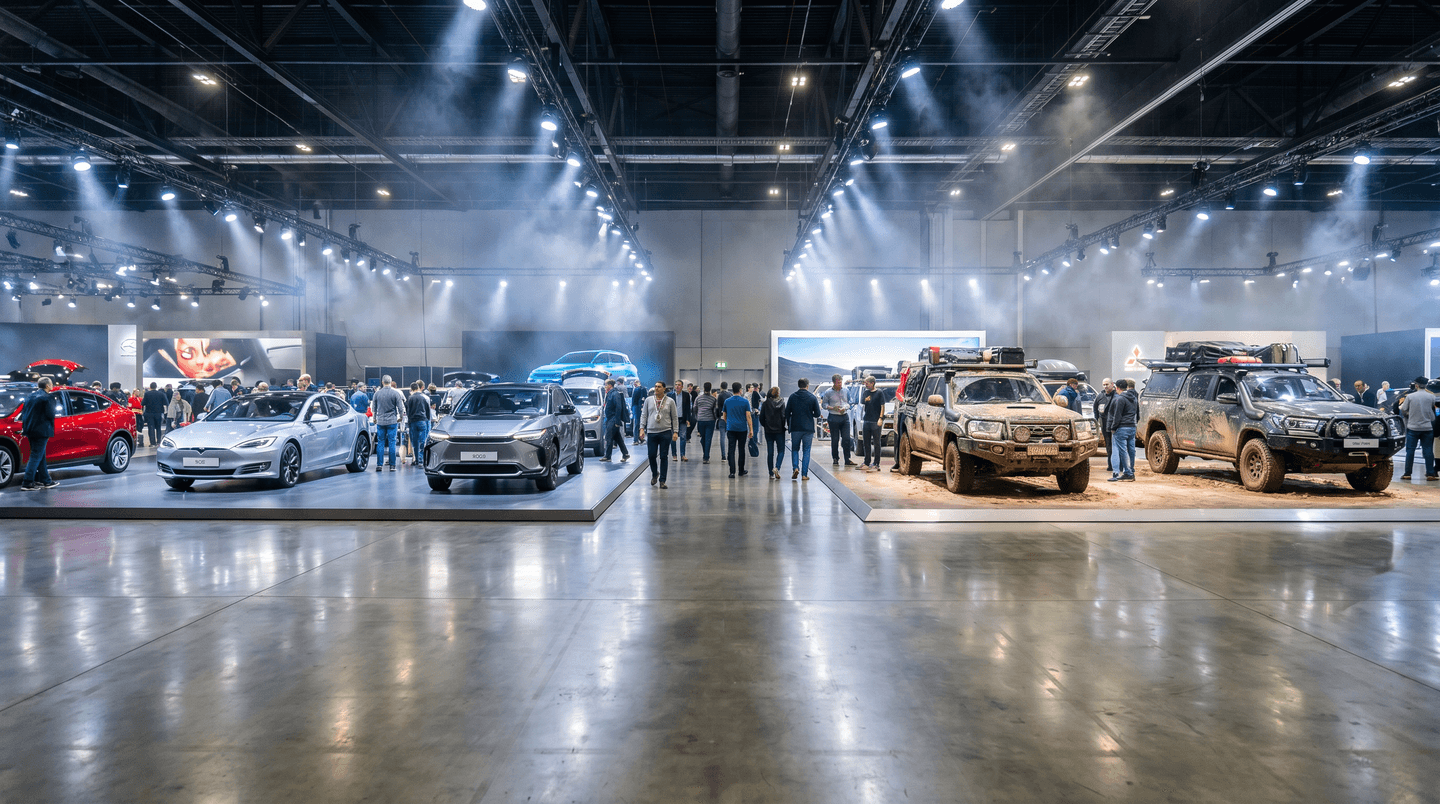
China has more electric vehicles on its roads than the rest of the world combined. BYD outsold Tesla globally in 2023. NIO operates battery-swap stations across the country. XPeng, Li Auto, Zeekr, Xiaomi, and Huawei-backed Aito are all building competitive luxury and mass-market EVs. Walk any major Chinese city — Shanghai, Shenzhen, Beijing, Hangzhou — and you're seeing the future of automotive consumer markets in real time. The charging infrastructure is dense enough that long-range EV touring is genuinely viable. For visitors who follow the global automotive industry, China is the most important place in the world to see EVs at scale, on actual roads, in actual ownership use.
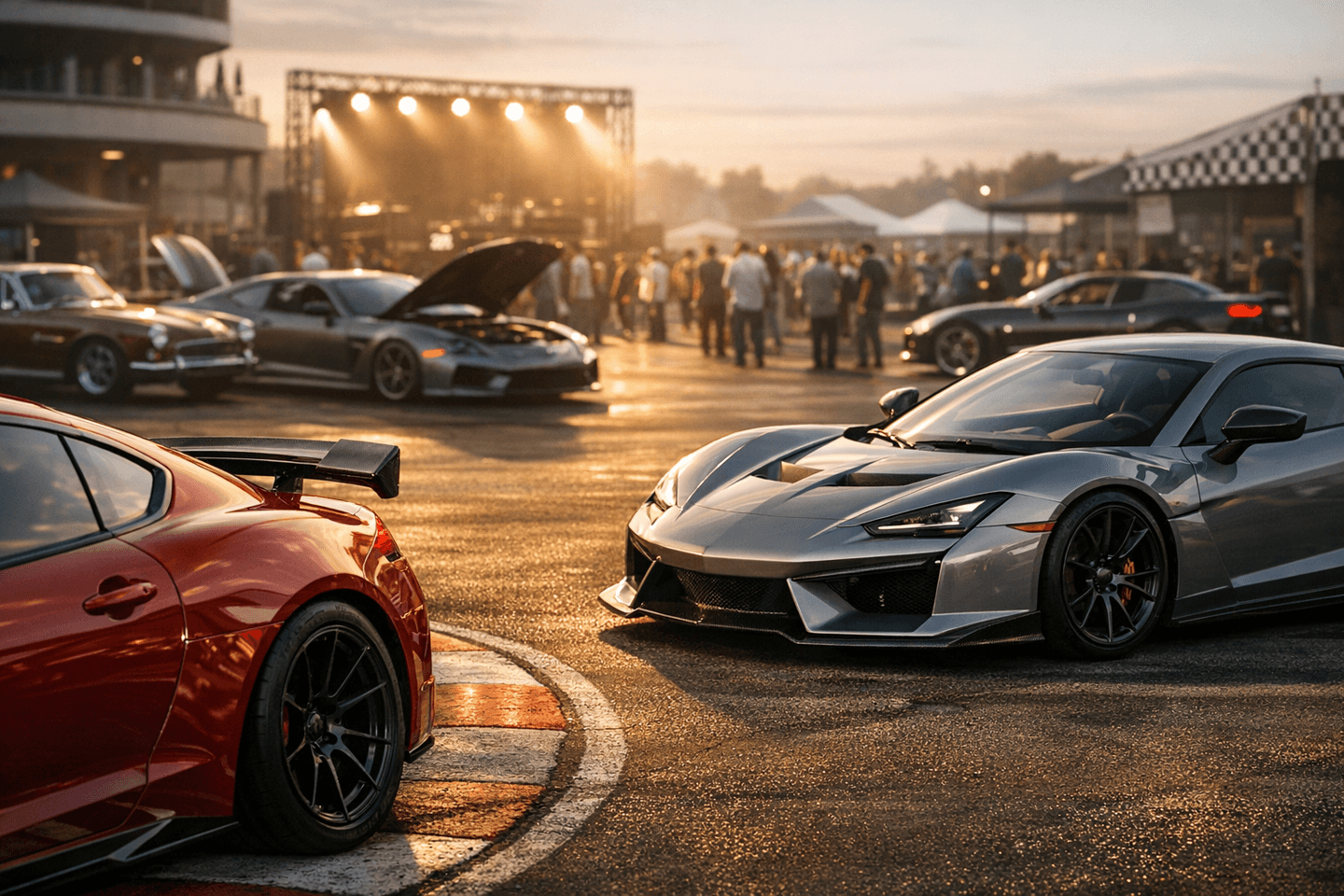
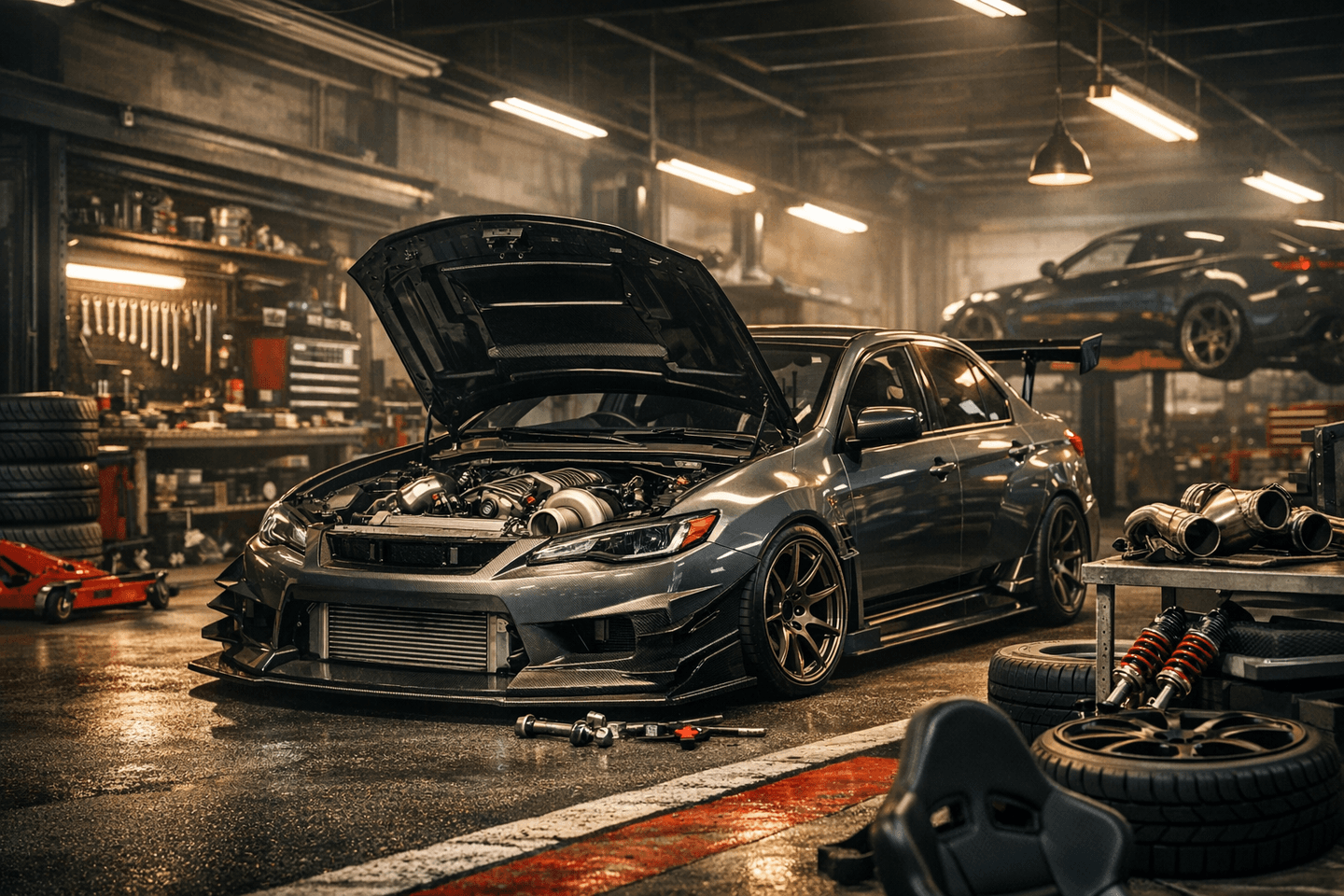
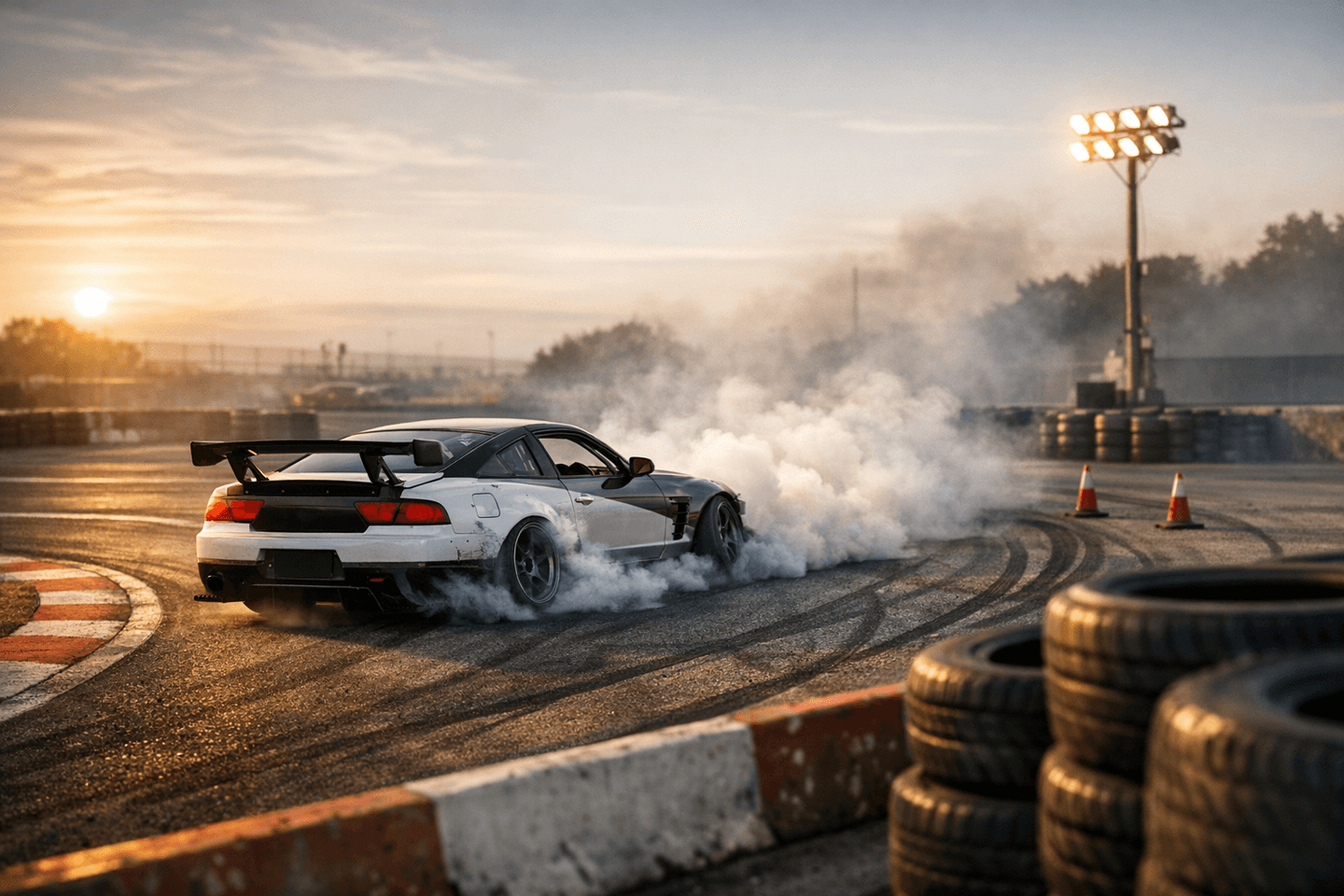
China's car culture has emerged from near-zero to globally distinctive within twenty years. Modified scenes in Shanghai, Beijing, Shenzhen, and Chengdu blend Japanese imports (Skylines, Supras, Evos), European performance imports, and increasingly the new generation of Chinese performance EVs being modified by their owners. Weekend meets at urban locations, dedicated car culture events around major auto shows (Shanghai Auto Show in April, Beijing in even years), and a YouTube-equivalent scene on Bilibili and Douyin all support a genuinely vibrant enthusiast culture. The scene is younger, more luxury-oriented, and faster-moving than equivalent markets elsewhere.
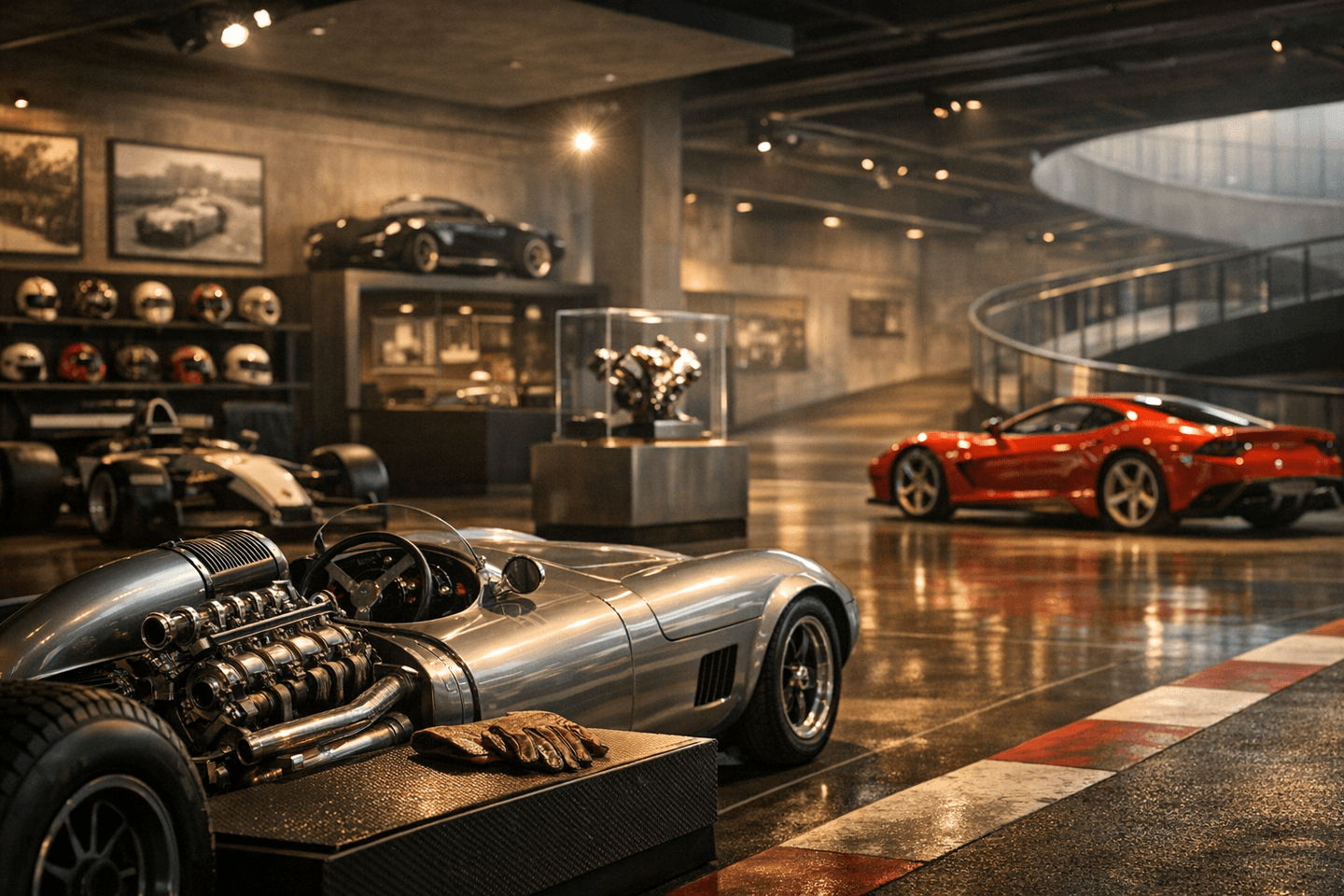
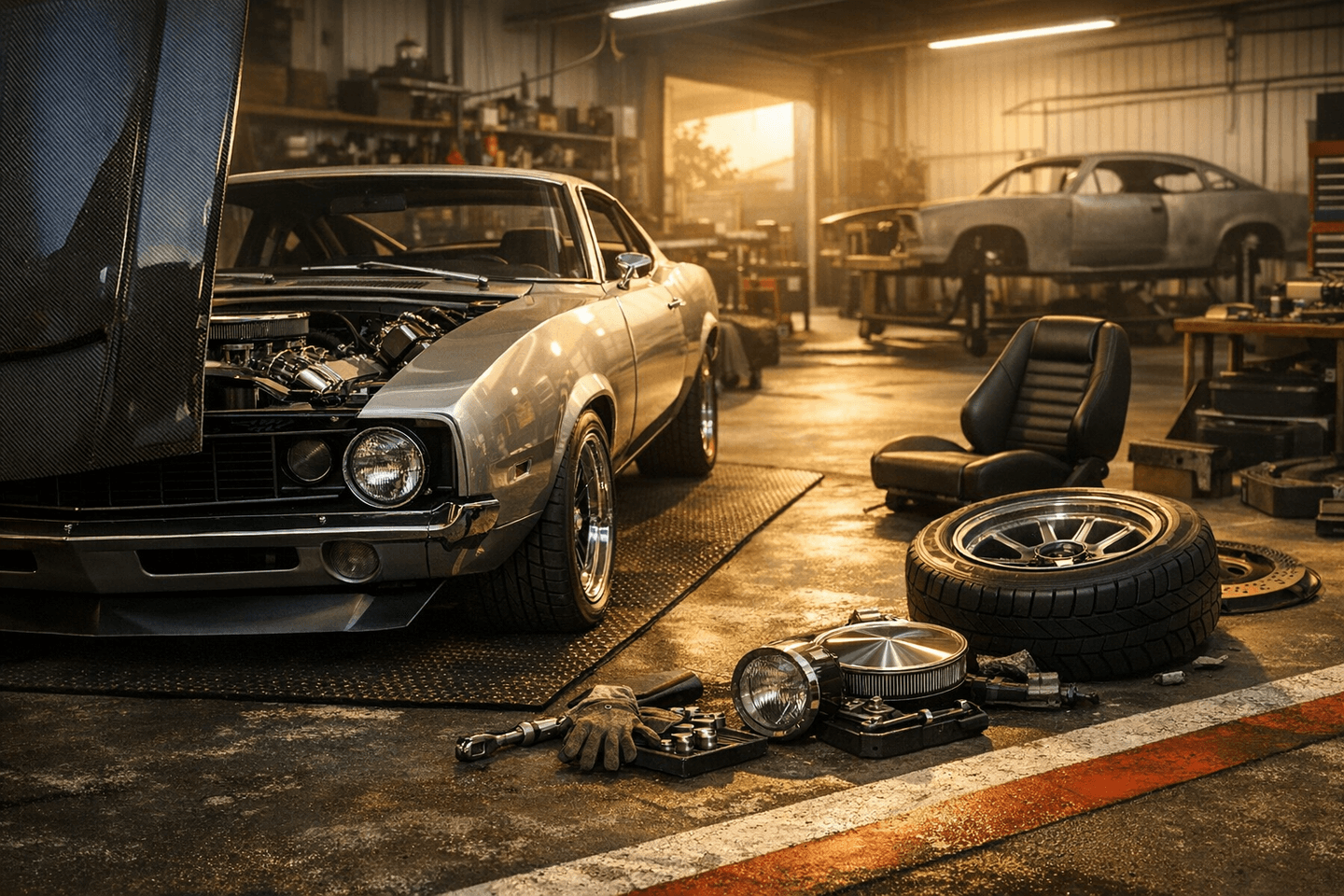
China's classic car culture is genuinely new — for most of the late 20th century, classic car ownership was effectively impossible, and the country's automotive collector market only began forming in the 2010s. What's emerged is a small but serious scene of Chinese collectors focused on European classics (Mercedes-Benz, Porsche, Ferrari), pre-war Americana, and increasingly the early Chinese-market cars from the 1950s-80s that are starting to be recognised as heritage objects. Shanghai Auto Museum is the flagship public collection. Private collections and emerging concours events in major cities are where the scene is most visible — though access for international visitors is limited unless you have local connections.
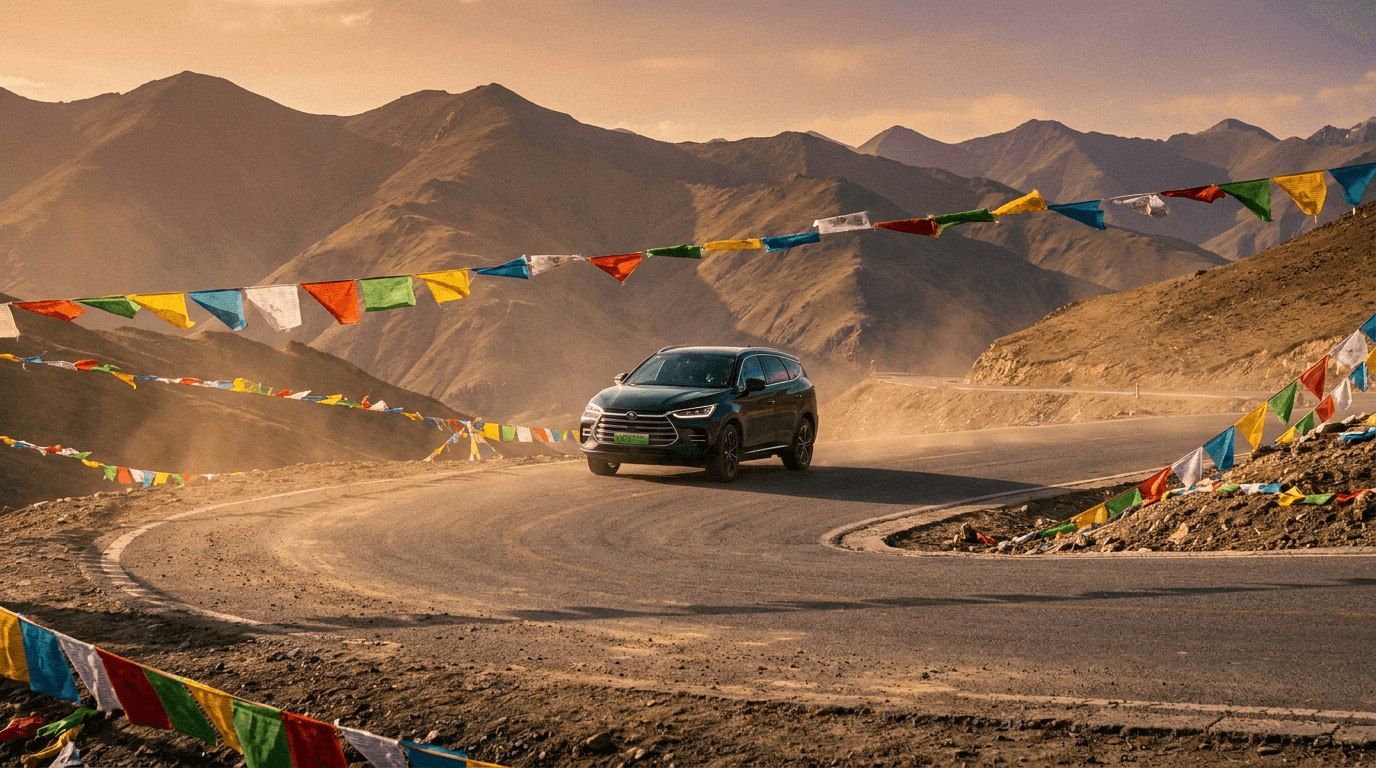
China's most iconic driving and motorcycle route. The G318 runs 5,476km from Shanghai to the Nepal border, but the Sichuan-Tibet section from Chengdu to Lhasa is what matters: 2,142km across 14 mountain passes over 4,000m, including the Mila Pass at 5,013m. Motorcyclists from across Asia ride it as a pilgrimage. The realities matter — high-altitude acclimatisation, Tibet permits and a registered guide for foreign visitors, weather closes passes without warning. 10-14 days done properly. One of the great drives in Asia.